
Sewage
-
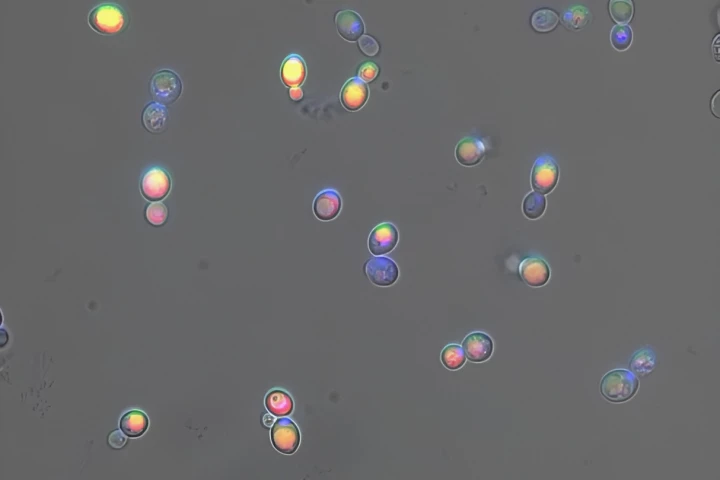 There may be a new use for that urine you've been so thoughtlessly flushing. Scientists say it could be an alternate source of a valuable bone- and tooth-repair material, with a little help from a genetically modified type of yeast.
 -
 One of the worries about microplastic pollution is the possibility that the particles may accumulate harmful bacteria in the environment, then pass them on to us. Well, that capability could soon put the particles to work as sewage monitors.
 -
 The sludge that is created through sewage treatment processes is rich in nutrients like phosphorous and nitrogen, making it an excellent source of fertilizer for agriculture. But research has found it also contains significant amounts of microplastics.
 -
 Even with today's various sewage-treatment technologies, a great deal of municipal wastewater is still released back into waterways either partially or completely untreated. According to a new study, however, plots of willow trees could be used to clean it up – while also producing useful materials.
 -
 A new technology developed at Duke University could automate the process of analyzing stools for signs of disease, by working in existing toilet systems and using artificial intelligence to scan and classify feces as they are flushed through.
 -
 Scientists in Italy have uncovered evidence of the coronavirus appearing in sewage months before the country confirmed its first cases, a finding that may help them understand the origins of the virus and how it spread throughout the country.
 -
 Scientists are pursuing some interesting technologies that could help us unlock the secrets of our sewage. Among them is a new type of “smart toilet” that automatically scans urine and stool samples for signs of disease.
 -
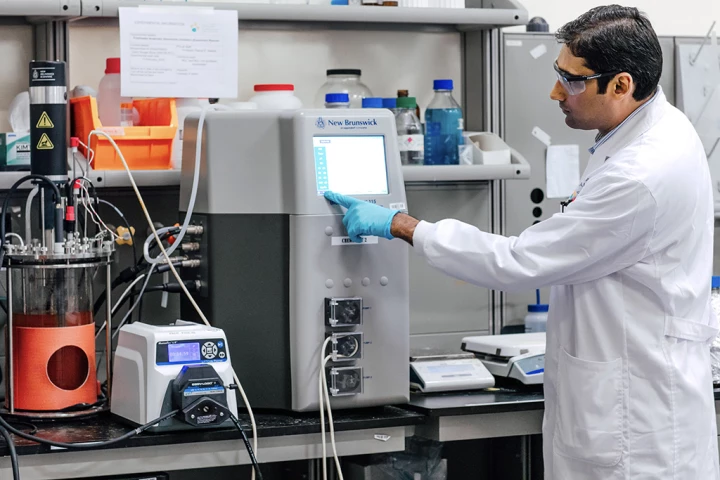 Given the scarcity of fresh water in many regions, it does seem a bit crazy to be flushing the stuff down the toilet. And while a few coastal areas use seawater instead, doing so is problematic in its own way – new research, however, may change that.
 -
 In a way it seems so obvious: find out what kinds of things people are putting into their bodies by studying what comes out the other end. These do sound like muddy waters, but some see a very bright future for this dark corner of science.
 -
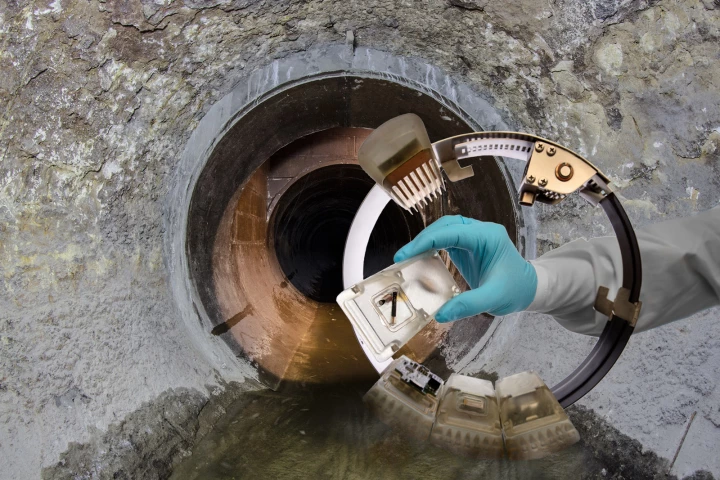 A new sensor system is designed to catch polluters, by sampling and analyzing water within the sewer line.
 -
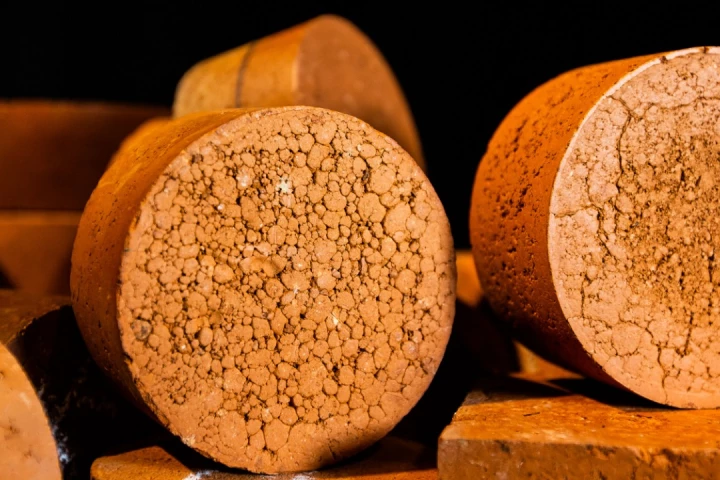 When sewage sludge is processed at wastewater treatment plants, the leftover "biosolid" material is generally dried and set aside. While some of it ends up being used as fertilizer, much is often just stockpiled. Soon, however, it could find its way into eco-friendly fired-clay building bricks.
 -
 A system called the NEWgenerator is designed to help take the strain off sewage infrastructure in developing countries, acting as a mini wastewater treatment plant that recovers energy, clean water and fertilizer from sewage. Units will soon be installed in South Africa.
Load More