
Sensor
-
 For the first time, scientists have found that smell and taste are inseparable much earlier in the brain than we'd thought. Odors can actually be coded as tastes in the primary taste cortex, overturning decades of assumptions as to how flavor is built.
 -
 Researchers have developed a wearable, noninvasive sensor that monitors for a biomarker of inflammation in the wearer’s sweat. They say the device could be used at home by people with chronic inflammatory diseases.
 -
 Inspired by the human eye, researchers have created a tiny device that captures, recognizes and memorizes images enabling it to make quick, real-time decisions based on what it sees. The device could one day be used in self-driving cars.
 -
 Overactive bladder syndrome can interfere with a person’s daily activities and affect their mental health. A new hydrogel-based sensor can continuously monitor overactive bladders and potentially improve the treatment of the condition.
 -
 Science is quickly catching up to the powerful sniffers on dogs with its own range of artificial noses. Case in point: researchers modified E. coli bacteria to spin electrically conductive nanowires capable of detecting disease-related odor molecules.
 -
 Skin plays a key role in our sense of touch, but its sensitivity is hard to replicate. Now, researchers have developed a new type of electronic skin (e-skin) containing tiny embedded hairs that can precisely perceive touch and the direction it moves.
 -
 New research has used an in-ear sensor to monitor COVID-19 patients at home, transmitting vital signs in real-time to doctors who evaluated the need for hospital treatment, often admitting the patients before they even noticed their condition decline.
 -
 A novel type of biosensor could help negate the risks of highly toxic arsenic as it makes its way from soil and into plants, by working with the plant tissues to monitor levels of the element in the underground environment in real time.
 -
 Given that the WHO estimates that seven million premature deaths annually around the world are caused by air pollution, monitoring air quality is vital. Researchers at Chalmers University of Technology have developed an optical nano-sensor that can be mounted to most streetlamps.
 -
 New ways of tracking the contents of our sweat has opened up some exciting possibilities in health monitoring, and alcohol sensors are a part of this mix. But a new flexible, tattoo-like sensor developed by US researchers might be the most discreet one we've seen yet.
 -
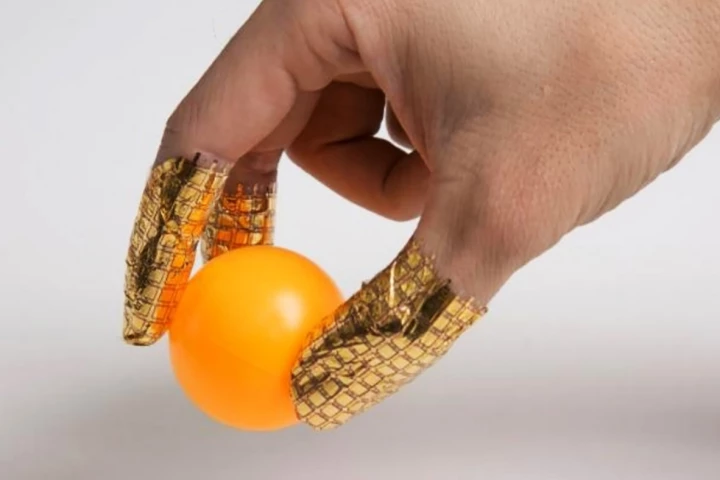 Researchers have developed a thin and flexible pressure sensor that's able to continue to function effectively when curved over a tiny radius.
 -
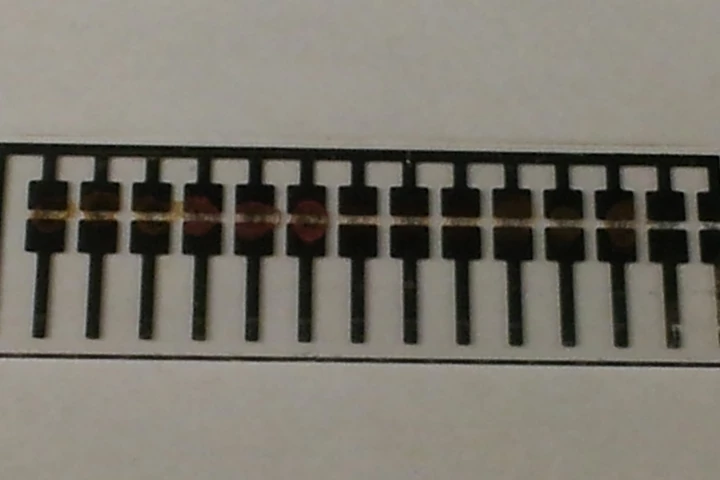 A team of MIT chemists has developed a small sensor that's capable of telling consumers whether the meat in their refrigerators is safe to eat. The team believes that the inexpensive device, which makes use of modified carbon nanotubes, could help cut down on food waste.
Load More