
Seniors
-
 The simple habit of getting in a daily walk has been shown to have numerous health benefits over the last few years. In a remarkable study, scientists found that taking just 5,000 steps a day can help slow Alzheimer’s disease-related decline.
 -
 A poll of Americans aged 50 and over on their use of cannabis has provided some interesting insights into how often they use the drug, how and why they use it, and the behaviors they engage in while under the influence.
 -
 People suffering from dementia not only get confused, they can also become highly anxious and even aggressive. In order to catch such behaviors before they escalate out of control, a British scientist has developed a pair of sensor-packin' socks.
 -
 If an older person is already weakened by a medical condition, then spending all day in a hospital bed is only going to make them weaker. New research, however, suggests that as little as 25 minutes of walking per day makes a big difference.
 -
 There's mounting evidence of the relationship between sleep and cognitive decline. Now, a 10-year look at the habits of older adults suggests spending more than 30 minutes getting to sleep may be worse for your health than waking during the night.
 -
 Vitamin D deficiency and dementia has long been linked. Now, a new study featuring more than 12,000 people has found that ongoing supplemental D dosing before cognitive decline may significantly lower the risk of developing Alzheimer’s disease.
 -
 As their sense of balance deteriorates, seniors are at an increased risk of potentially debilitating falls. A new wearable assistive robot could help, by detecting and preventing such falls before they actually occur.
 -
 It's important to monitor the physical activity level of seniors living on their own, as a decrease may indicate health problems, depression, cognitive decline, or a debilitating fall. A new device does so simply and unobtrusively, by hitching a ride on the senior's walker.
 -
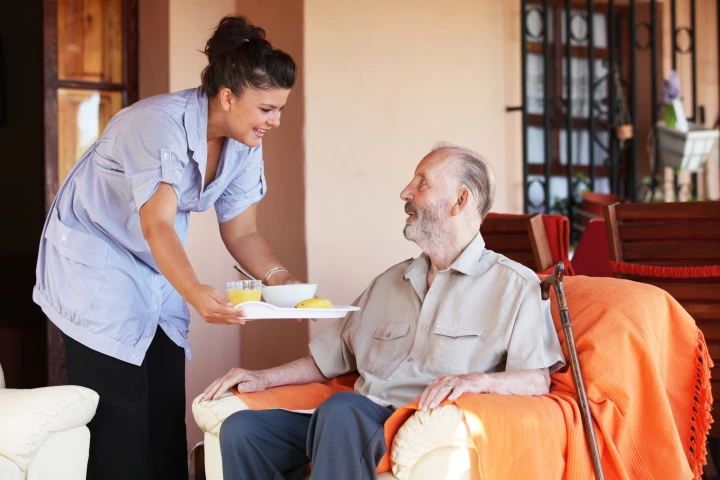 Malnutrition is a common problem at long-term care homes, as many residents simply don't eat all the food which is served to them. An experimental new AI-based system is designed to help, by analyzing images of their plates.
 -
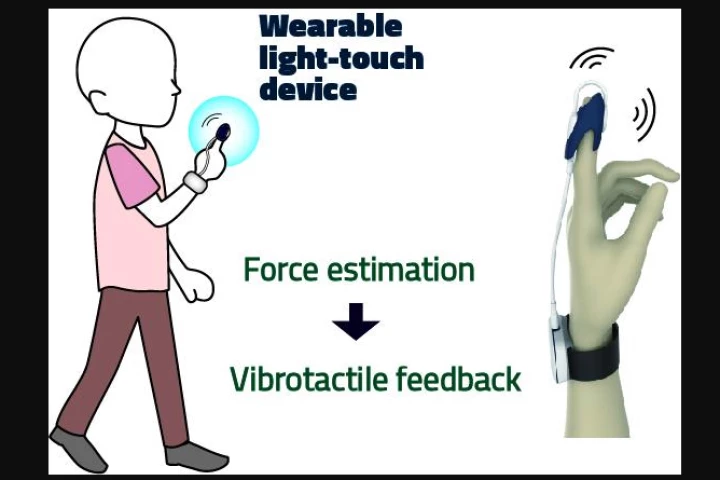 As a senior's sense of balance deteriorates, their chances of experiencing a serious fall increase accordingly. Help may be on the way, however, in the form of a system that buzzes the user's fingertip in order to keep them upright.
 -
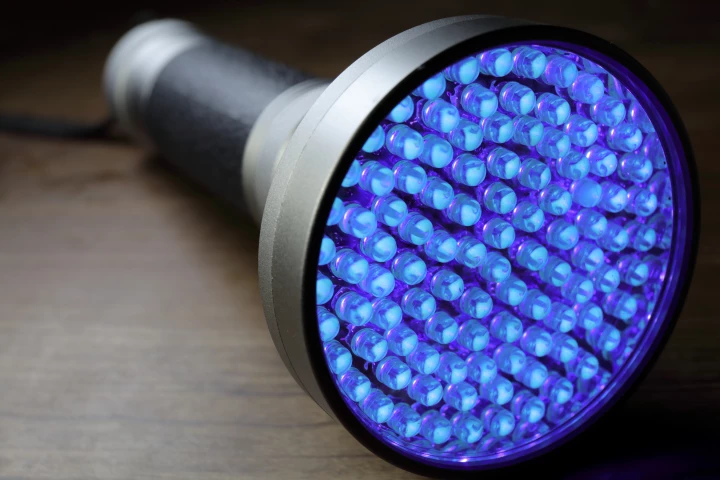 Even though we're warned about the harmful effects of ultraviolet (UV) rays in sunlight, they're essential for the production of vitamin D in the body. Now, scientists are claiming that UV LEDs could serve as a safe alternative to sunlight.
 -
 A new study has compared the physical and cognitive performance of a group of older people in 2017 with a similarly aged group three decades earlier. Improvements were seen in almost every test, suggesting progress has been made extending healthspan.
Load More