
Seismic
-
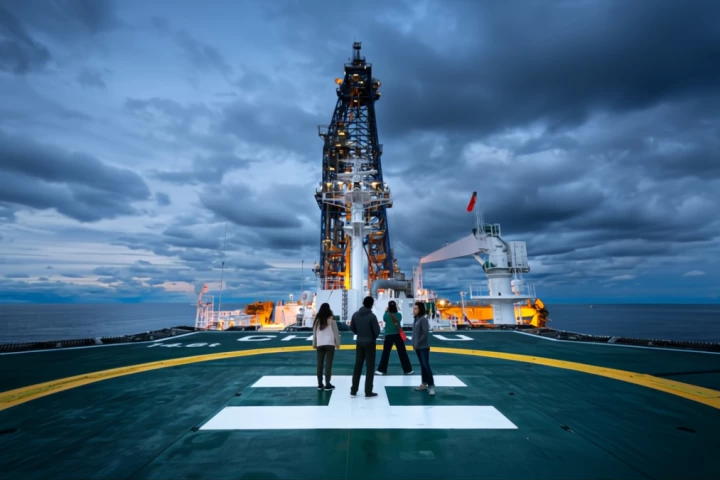 Since 2011, scientists have been puzzled about the force resulting from a gigantic earthquake and tsunami that destroyed, among other things, Japan's Fukushima Nuclear Plant. Now, a Guinness World Record drilling expedition has solved the puzzle.
 -
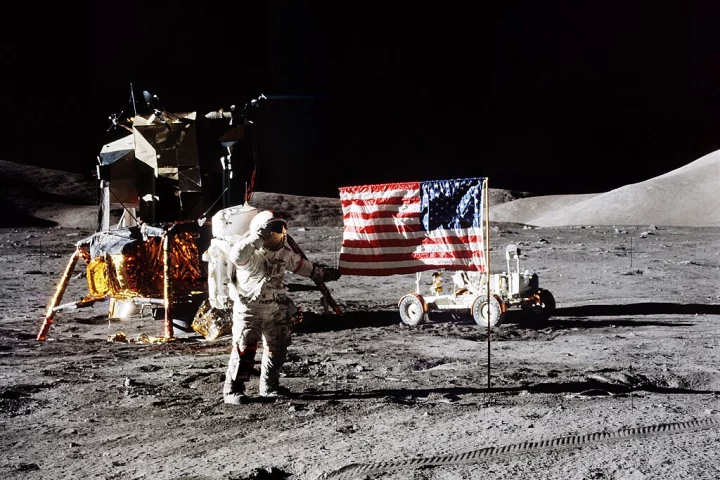 As if hard vacuum, intense cosmic radiation, corrosive dust, meteors, and temperatures whiplashing hundreds of degrees between night and day weren't enough, personnel at future Moon bases will be at significant peril from moonquakes.
 -
 With Taylor Swift fans linked to recent seismic activity during her current worldwide 'Eras' concert tour, we thought we’d investigate how other musical artists' fans stacked up in terms of their stadium-shaking abilities. The results may surprise you.
 -
 The Earth’s inner core is incredibly tricky to study, since it’s buried beneath thousands of miles of rock. New seismic studies suggest that it’s not just a solid ball of iron, as has been assumed, but might have pockets of liquid iron throughout.
 -
 Mars is usually considered a geologically dead planet, but a new study challenges that idea. Multiple lines of evidence reveals a giant plume of magma is forcing its way up through the mantle and producing seismic activity in one region of the surface.
 -
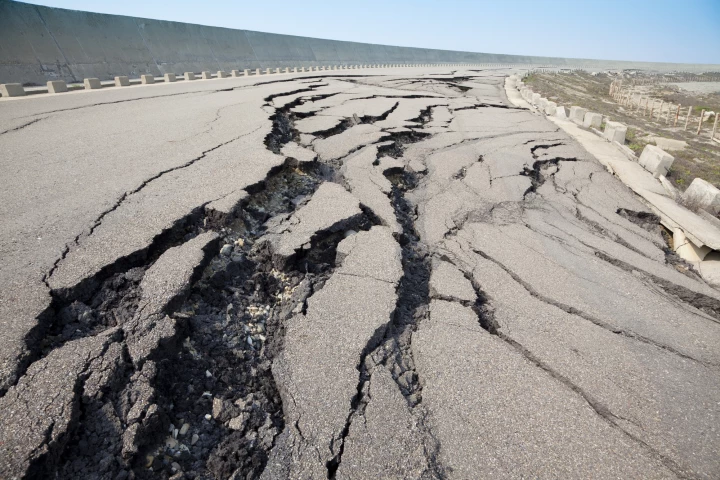 Predicting the likelihood and severity of earthquakes is important, but it’s hard to account for all factors. Researchers in New Zealand have now uncovered an overlooked factor that could affect the impact of the next big quake – tiny marine fossils.
 -
 NASA’s InSight lander has recorded the two strongest quakes detected so far on Mars, with both measuring over magnitude 4. These seismic events rolled in from the far side of the Red Planet, and one also clocked the record for longest marsquake.
 -
 Scientists at the University of Utah have been keeping a close eye on these famous geysers of Yellowstone National Park, and have now managed to image the plumbing system of the tallest one in the world to a depth of 450 feet.
 -
 Oregon State University researchers have found that fin whale songs interact with the ocean floor, being reflected and refracted by the sediments and bedrock, and can be used to measure the thickness of these layers as well as providing other data.
 -
 NASA has released a symphony of sounds captured by InSight on Mars including quakes, howling winds, metallic “dinks and donks” and other eerie sounds.
 -
 According to a new study, Earth's surface is smooth compared to the landscapes found deep within the planet. Using data from one of the biggest earthquakes on record, geophysicists have now found massive mountain ranges hundreds of kilometers beneath our feet.
 -
 Although traditional seismographs are essential for warning of earthquakes, they can be difficult to access when placed on the sea floor. Well, that's where the MERMAID underwater seismic floats are designed to come in, and they've recently been successfully tested in the Galápagos.
Load More