
Scripps Research Institute
-
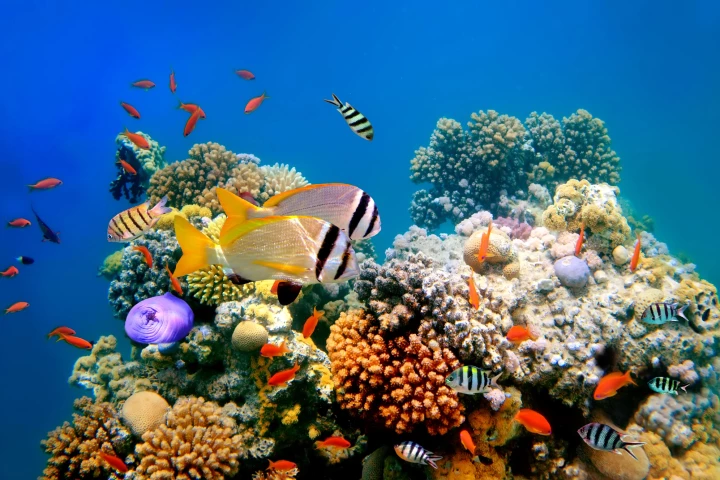 If you're hoping that reef-restoring coral larvae will settle down in damaged reefs, you can't just sit around and wait for it to happen. You have to get out there and entice the larvae, which is exactly what a new algae-based gel is designed to do.
 -
 Imagine a world in which we never catch the flu, have no need for vaccines and can wipe out the virus if an infection has taken hold. A super-effective molecule that stops influenza from even entering our bodies stands to revolutionize how we treat flu.
 -
 A universal snake-bite antivenom is within reach, with scientists making an antibody that protects against lethal strikes from a range of elapids. No snakes or ‘donor animals' were needed to produce the antivenom, making it sustainable and scalable.
 -
 Researchers have created a ‘two-headed’ drug that prevents the production of the toxic protein linked to Parkinson’s disease before destroying the RNA machinery that makes it. The drug may be a way of slowing or even stopping the disease’s progression.
 -
 Researchers have developed an antibody that targets the opioid fentanyl and its derivatives, reversing overdose better than currently available treatments. The novel therapy could be a more effective way of treating life-threatening opioid overdoses.
 -
 In addition to causing health problems, injury and death, excessive use of alcohol harms individuals, families, and society. A new study found that an anti-inflammatory medication used to treat psoriasis might effectively combat problem drinking.
 -
 Our deepening understanding of the different types of fat continues to present new ways to potentially manipulate metabolic processes for better health outcomes, and new research on an existing asthma drug has opened up a promising new pathway.
 -
 An incredible new study has discovered a novel communication pathway between fat cells and the brain. The findings reveal that the brain can directly send messages to fat tissue and influence metabolic processes.
 -
 Exactly how non-living molecules sparked life is one of the most puzzling mysteries of science. Scientists have now discovered chemical reactions that can produce the building blocks of life out of materials common in early Earth's primordial soup.
 -
 Scientists at Scripps Research investigating the cellular basis for itching have made an important discovery around the role of a certain protein, and one that could lead to new treatments of chronic conditions like eczema.
 -
 A new smartphone app called MyGeneRank has been developed by scientists at the Scripps Research Institute. The app calculates a person’s genetic risk for coronary artery disease and directs those found to be at high risk to appropriate medical advice.
 -
 Forget space – the oceans are Earth’s final frontier. The latest case in point is a diving expedition off the coast of Western Australia, which has discovered up to 30 new species plus what may be the longest animal ever recorded.
Load More