
Screens
-
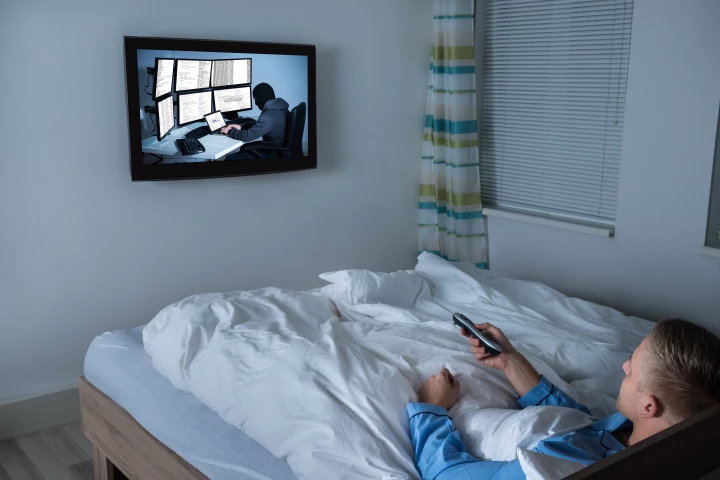 A pair of recent studies have upended the common belief that watching screens before going to sleep disturbs the quality or duration of your slumber. The research indicates some people may actually get more rest by watching something before going to sleep.
 -
 A study from the University of Oxford has analyzed 30 years of data tracking the relationship between young peoples’ technology engagement and mental health, from television watching to smartphone social media use, and found little to no association.
 -
 A controversial study is suggesting a link between a baby’s exposure to screens and autism-like symptoms later in childhood. Experts not affiliated with the study have criticized the research, calling it “fatally flawed”, “misleading”, and “harmful”.
 -
 A new study into teen technology use and mental health problems found no link between smartphone use and mental health issues.
 -
 A study has followed thousands of teenagers tracking associations between screen time and depression. The research separated types of screen time, and found TV and social media activity correlated with increased symptoms of depression, but video game and computer use had little negative effect.
 -
 A study has tracked data from 350,000 subjects finding digital technology use accounts for less than half a percent of a young person’s mental health. The research suggests everything from wearing glasses to not getting enough sleep, have bigger negative effects on adolescent well-being.
 -
 If you’ve ever used your phone in sunlight only to see a reflection of your own face, moths might have your back. Inspired by the natural nanostructures that keep the insect’s eyes from being shiny, a team from the University of Central Florida has developed an antireflective film for phone screens.
 -
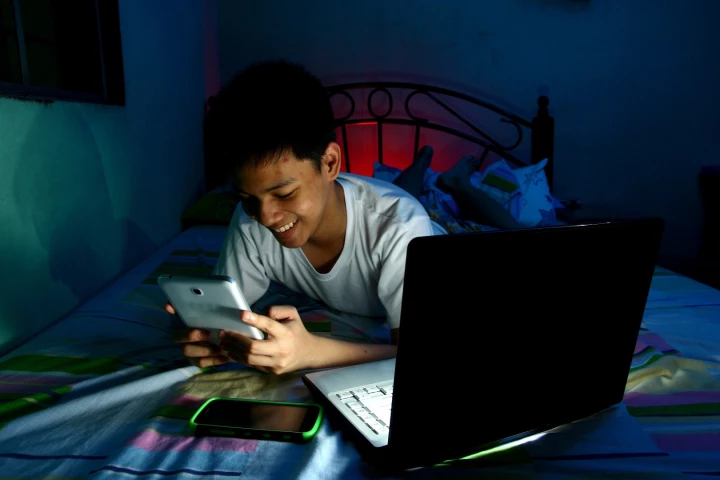 A new study published in Psychological Science of over 120,000 adolescents in the UK has found that moderate digital screen use actually had a beneficial relationship with teenagers’ well-being.
 -
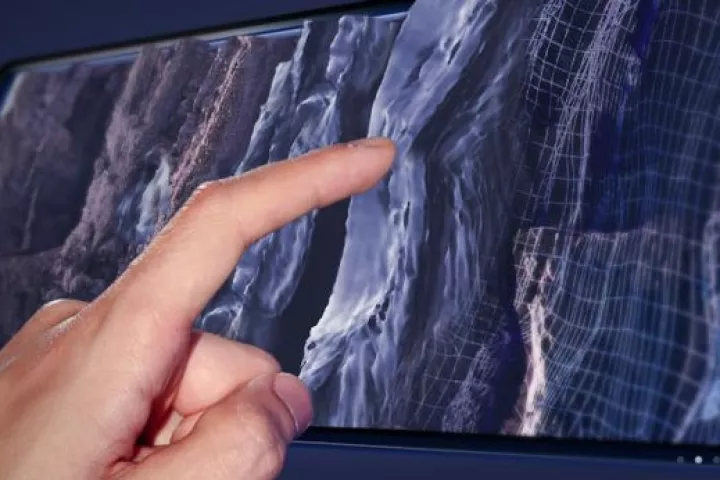 Tech company Senseg is working on a way for you to be able to feel textures on a flat screen display.
 -
 Swedish researchers have incorporated technology used in criminal investigation into a touchscreen interface that allows users to conduct a virtual autopsy.