
Satellite
-
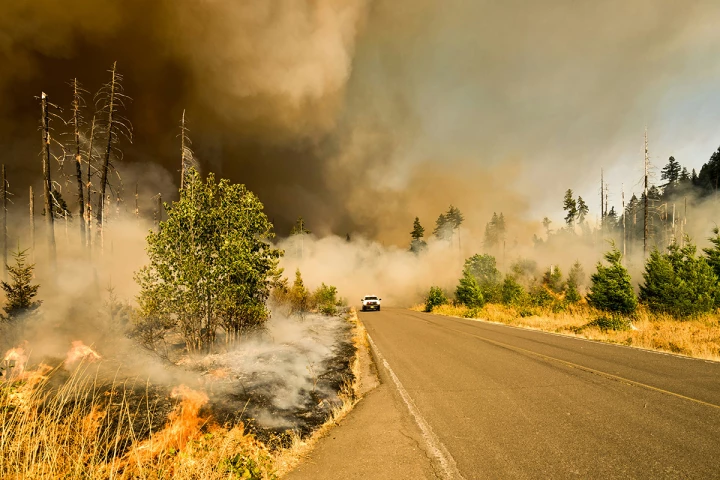 The first satellite in a constellation designed specifically to locate wildfires early and precisely anywhere on the planet has now reached Earth's orbit, and it could forever change how we tackle unplanned infernos.
 -
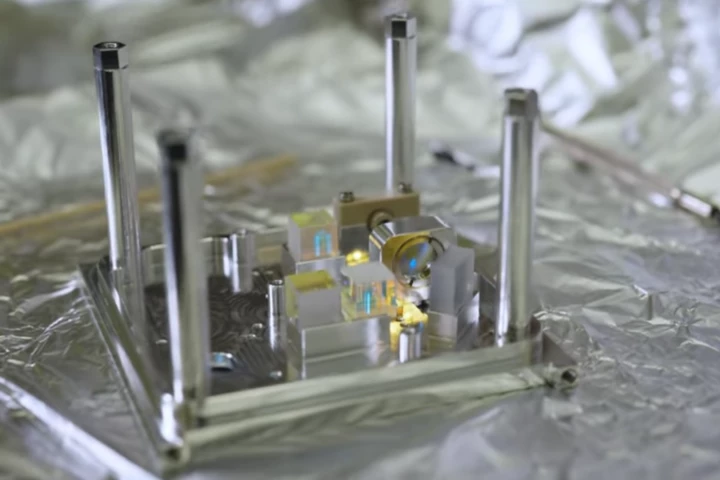 Dark matter is thought to outnumber regular matter by a factor of five to one – so why can’t we find the stuff? A new study proposes looking for it from space, using a satellite containing a levitating piece of graphite and a laser.
 -
 The Soviet Union launched the Sputnik 1 satellite in 1957. Fast forward to 2022, and we are now launching more than a thousand satellites each year, propelling the field of Earth science into unprecedented terrain.
 -
 The environmental impacts of iceberg A-68 are still being assessed. A new study has calculated that the largest chunk, A-68A, released billions of tonnes of freshwater into the sea near a marine nature reserve, with untold effects on the ecosystem.
 -
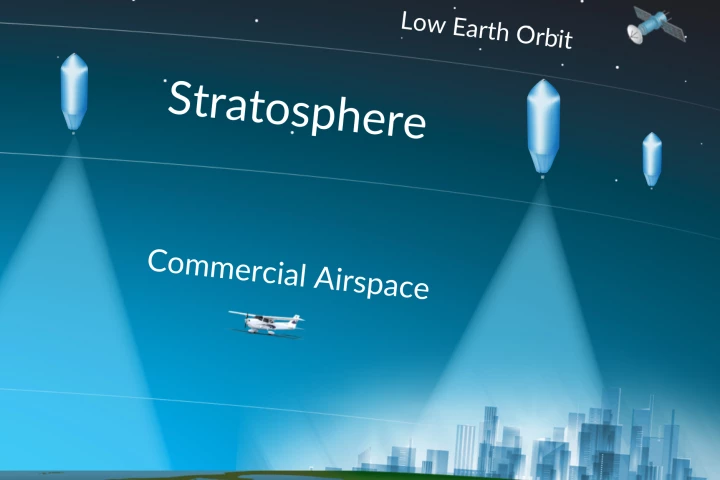 When it comes to taking high-res aerial photographs, we generally look to satellites, drones or full-size aircraft. Colorado-based Urban Sky's new Microballoon system, however, is claimed to deliver higher-resolution images at a much lower cost.
 -
 Scientists have developed a new satellite data based early warning technique that could one day be used to predict volcanic eruptions years before they take place, and help decide which volcanoes should be fitted with sensitive monitoring equipment.
 -
 The secrets of the mysterious EmDrive thruster – which stumped both NASA and Chinese research teams by delivering measurable thrust without a propellant – have finally been unlocked. The thrust comes from ... drum roll ... repeated experimental error.
 -
 Using advanced infrared imaging technology aboard an Earth-orbiting satellite, scientists have measured the coldest temperature of a storm cloud on record, owing to an overshooting top that penetrated the stratosphere.
 -
 Satellites have offered scientists a powerful new tool when it comes to tracking endangered wildlife, with the movements of animals able to be monitored with precision. A new technology promises to expand the possibilities in this area even further.
 -
 A new paper has revealed that Greenland and the Antarctic have lost a staggering amount of mass from their ice sheets over the last 16 years thanks to climate change, and that the melting has contributed to sea level rise.
 -
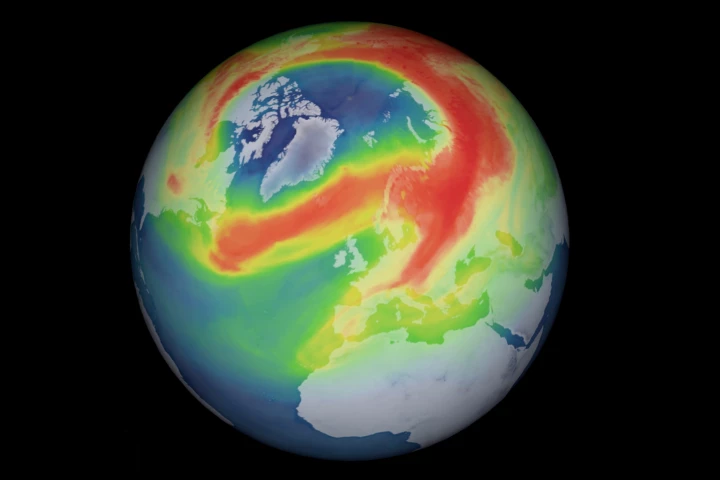 Although a hole in the ozone layer might sound like a retro environmental issue, it’s still a problem today. While it's usually over Antarctica, scientists have now spotted the biggest ozone layer hole in at least 25 years forming over the Arctic.
 -
 ESA has released a series of maps that let viewers track the amount of permafrost present around the Arctic. Melting of permafrost could add massive amounts of greenhouse gasses to the atmosphere, worsening the effects of climate change.
Load More