
Salk Institute
-
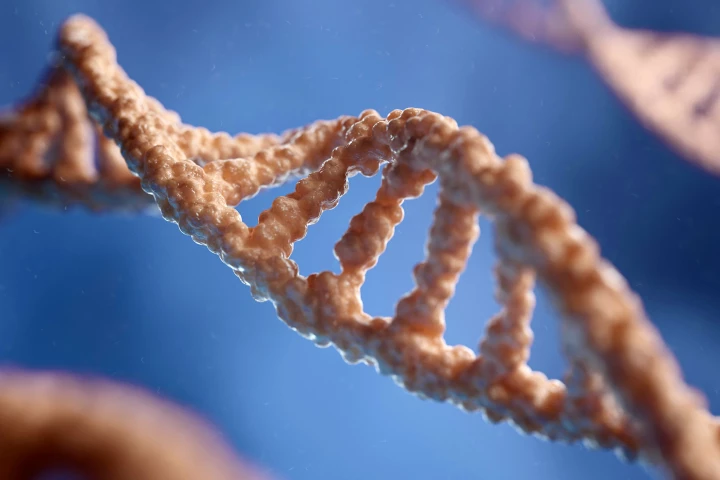 Tiny "hidden" proteins lurking in DNA once dismissed as junk may hold the key to the next generation of obesity drugs, according to a new study that has uncovered dozens of new fat-regulating molecules using cutting-edge gene-editing technology.
 -
 Scientists have discovered a brain circuit that gives pain its emotional sting, explaining why some hurts linger as suffering. The breakthrough challenges our beliefs about how we process pain and may transform chronic pain treatments.
 -
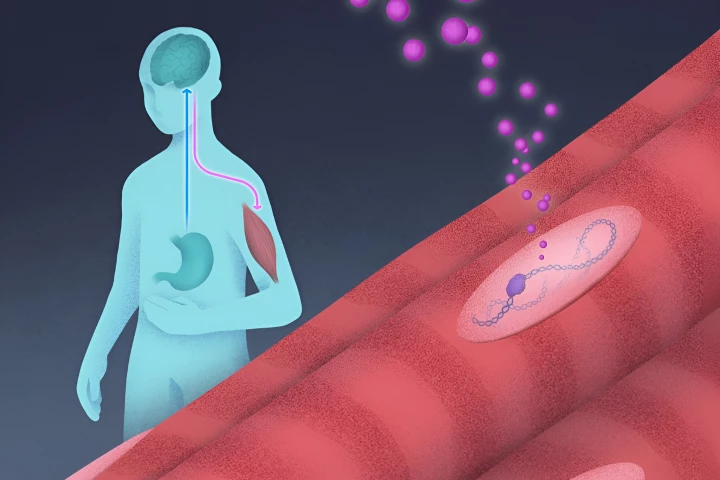 If you're one of the 13% of US adults who has taken a GLP-1 drug for weight loss, you may know that while fat seemingly melts away, so too does muscle. And, so far, there's not a lot you can do about it. But one new discovery may change this.
 -
 A new study has shed light on how gut bacteria, diet, and the immune system interact and how some people remain asymptomatic while infectious. It may have opened the door to a vaccine that prevents diarrheal diseases caused by E. coli.
 -
 Associating positive or negative emotions to specific memories is core to survival. Researchers have identified a specific molecule that seems to drive the assignment of emotions to memories, which could lead to new treatments for anxiety and depression.
 -
 New research at the Salk Institute has demonstrated how a set of anti-aging molecules known as Yamanaka factors can safely reverse signs of aging in middle-aged and elderly mice, which showed no evidence of health problems following extended treatment.
 -
 Insulin regulates blood glucose levels, and issues often lead to diabetes. But now, scientists at the Salk Institute have identified another molecular pathway that regulates blood glucose, which could open up a brand new avenue for treating diabetes.
 -
 Researchers at Salk Institute have uncovered a mechanism by which stem cells can help regenerate muscles. The discovery could provide a new drug target for repairing muscles after injury or rebuilding muscle mass lost during the normal aging process.
 -
 In a breakthrough new study, scientists have created human-monkey chimera embryos for the first time. They make for more accurate models of human biology and disease - but of course they also raise some complicated ethical concerns.
 -
 Scientists at the Salk Institute hope to tackle climate change and food security by unraveling the genomic architecture behind various plant species, and have gleaned some valuable new lessons from the fastest-growing example we know of.
 -
 Scientists investigating Alzheimer’s treatments at the Salk Institute have uncovered some key mechanisms that enable an experimental drug to reverse memory loss in mouse models of the disease, offering new targets for researchers in the field.
 -
 Osteoarthritis is one of the most common ailments of an aging population. Now, researchers at the Salk Institute have found that a combination of two experimental drugs appears to reverse the symptoms of the disorder in rats and in human cells.
Load More