
Running
-
 Not all physical activities are created equal when it comes to a good night's sleep. A new study has uncovered the four practices that can significantly help different aspects of sleep disorders, without medical intervention. And they're all free.
 -
 If you, like us, were under the impression that two-legged dinosaurs were pacy beasts that could zip across the ground at around 40 mph, researchers have some bad news. A new study suggests they were much, much slower than previously thought.
 -
 More than a million people of nearly all ages lace up their trainers and hit the pavement in a marathon every year. And while running has a suite of health benefits, a long-distance race may not be such good news for the brain in the weeks that follow.
 -
 For the first time, scientists have discovered that hippos get significant airtime when they're at full-trot, able to lift their huge barrel-shaped girth off the ground for around 15% of their stride. It's totally unique for mammals their size.
 -
 A new study from researchers in Japan offers the first direct investigation into the effects of caffeine on 100-meter sprint running. The findings revealed athletes who dose up on caffeine can run significantly faster sprint times.
 -
 New research from scientist at Anglia Ruskin University suggests that more stable communities of gut bacteria can boost performance among endurance runners, and also indicates that diet may play a pivotal role.
 -
 The latest study to dig into the relationship between exercise and cognitive health shows how just 10 minutes of moderate jogging can boost our mood and executive function, by improving blood flow to a key region of the brain.
 -
 Quite a few people listen to music while using a treadmill, with the idea being that they'll run in time to the beat. Utilizing the Running Music feature on Technogym's Unity treadmill console, however, things are a little different – the music selection changes to suit the cadence of the user.
 -
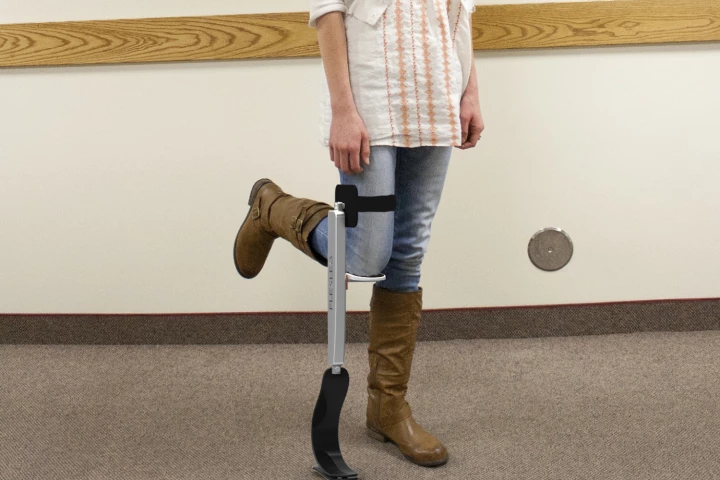 The Flex Leg is a hands-free mobility prosthetic for injuries.
 -
 A new musculoskeletal study has concluded that the average modern running shoe is significantly more damaging to your knees, hips and ankles than running barefoot - or even walking in high heels.