
Robots
-
 In a first, scientists believe they have confirmed we have another sense – a “remote touch” that we share with others in the animal kingdom, like some shorebird species that can sense prey beneath sand without seeing or touching it first.
 -
 Many persistent sinus infections involve biofilms – colonies of bacteria that group together to resist efforts to kill them. Now, researchers have developed biofilm-blasting bots that could handily deal with these, and other, bacterial infections.
 -
 It's never a good thing, when a bacterial biofilm forms on the surface of a medical implant. There could soon be a new way of eradicating such films, however, using tiny remote-control liquid-bodied robots.
 -
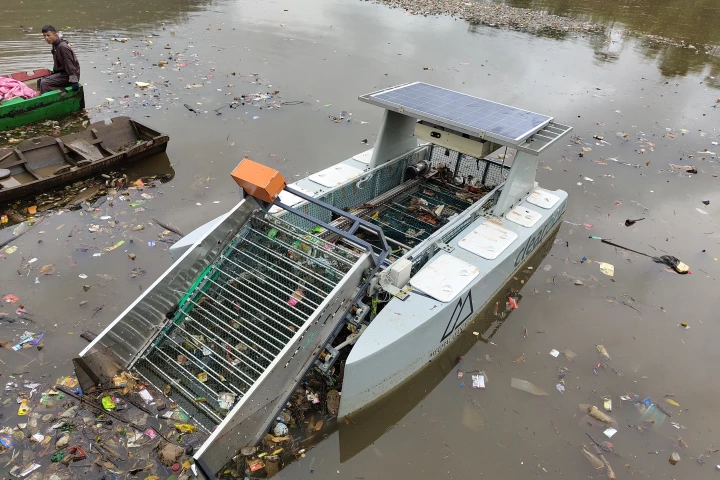 Clear Robotics is expanding its fleet of autonomous marine trash collectors. Its Class 3 vessel boasts more onboard storage capacity plus towed barge potential for extended cleanup operations, and has also been designed to tackle invasive weeds.
 -
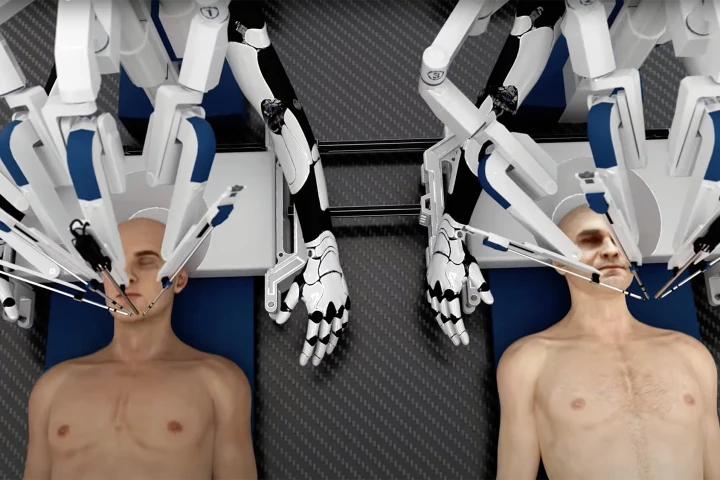 In what sounds more like the opening scene from a B-grade sci-fi/horror flick, head transplant operations performed entirely by AI-robot surgeons could be coming to a hospital near you within a decade, if startup BrainBridge is to have its way.
 -
 Scientists have long puzzled over why some dinosaurs had feathers and wings long before they evolved the ability of flight. Experiments with a robot dinosaur may now have revealed the answer – they used them for hunting.
 -
 Researchers have developed a plant-based hydrogel to create shape-changing, navigable small-scale robots with potential applications in biomedicine, including conducting medical procedures and delivering therapeutic cargo to cells and tissues.
 -
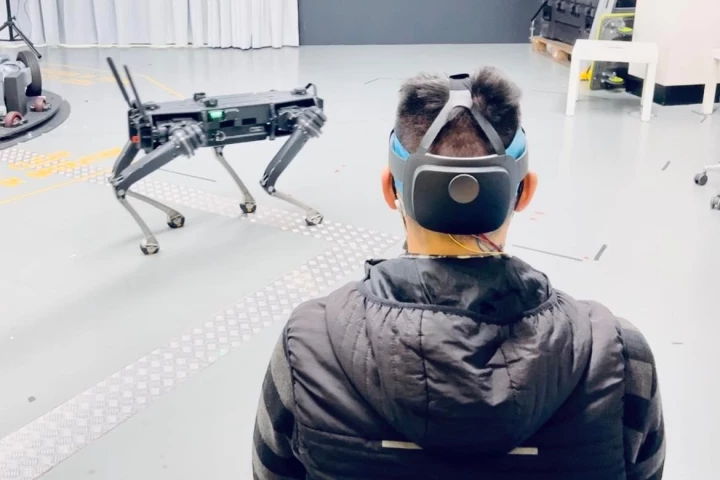 Although it is possible to control devices using brain waves, doing so involves having electrodes and conductive gel applied to one's head. Now, however, scientists have developed a new type of "dry" electrode – and it's been used to control a robot.
 -
 Students with learning disabilities struggle often require additional, individualized support to fill educational gaps. A team of researchers and experts have found that a cute little robot may help children with learning disabilities stay focused.
 -
 While we've heard about a number of "electronic noses," the devices are rarely as sensitive as their natural counterparts. That's why Israeli scientists have taken a new approach, by incorporating a locust antenna into an odor-identifying robot.
 -
 Subsurface oceans on moons are some of the most promising places to look for life beyond Earth. NASA is now funding a project to develop a swarm of small swimming robots that would explore these alien oceans for signs of extraterrestrial life.
 -
 Scientists have developed first-of-a-kind "Xenobots" from frog cells with the ability to self-replicate, a technology that could find use in regenerative medicine and and reveals a type of biological reproduction never before observed in science.
Load More