
Road Safety
-
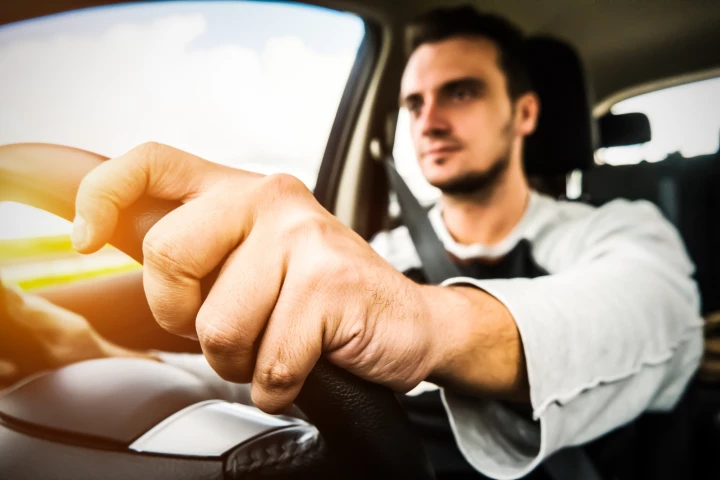 It's better to spot drunk drivers as soon as they get in their car, not once they've already been dangerously driving for some time. A new facial tracking system was created with that fact in mind, and it utilizes a regular in-vehicle video camera.
 -
 A new meta-study has concluded blood or saliva THC concentrations are not effective ways to measure cannabis-induced driving impairment. The findings indicate impairment tests should be developed instead of looking to develop a marijuana breathalyzer.
 -
 How long is a person’s ability to safely drive impaired after consuming cannabis? A meta-analysis suggests intoxication spans anywhere from three to 10 hours, raising questions over some roadside tests detecting traces of THC days after consumption.
 -
 A study into the effects of cannabis on driving in a real-world context has found CBD alone does not impair driving ability. The landmark finding promises to be invaluable in guiding road safety regulations as cannabis laws shift across the globe.
 -
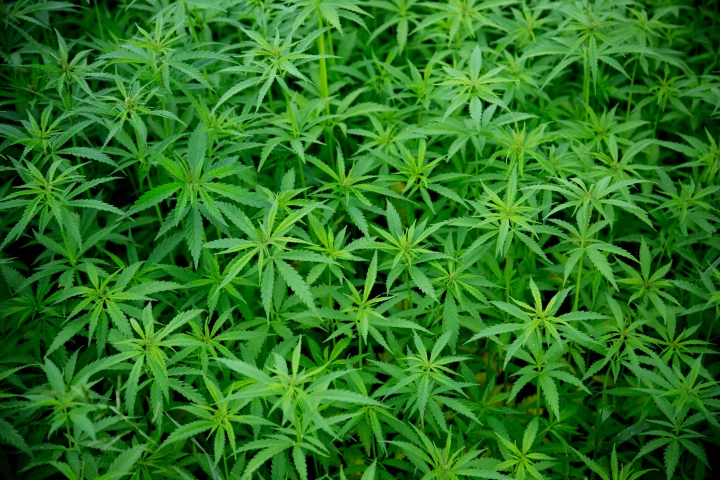 A study has found smoking high-THC marijuana or concentrates does not result in greater levels of intoxication. The research adds weight to a body of evidence suggesting proposed roadside THC tests may not correlate with driving impairment.
 -
 We've already seen numerous systems that can detect if drivers are getting drowsy. Now, however, engineering researchers at Canada's University of Waterloo have created software that can tell if the driver is engaging in distracting activities such as texting.