
Road
-
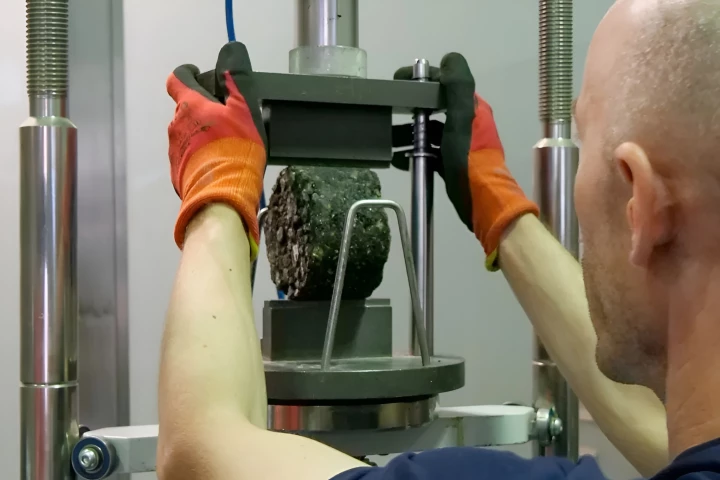 While we're used to seeing cigarette butts littering public roads, such butts may soon be making their way into those roads, strengthening them in the process. It's all part of a recycling effort, which should also reduce the need for road repairs.
 -
 While stormwater runoff pollutants in general aren't great for aquatic animals, chemicals from tire particles are particularly harmful to salmon. A study now shows that permeable pavements could keep most of those toxins from ever reaching the fish.
 -
 Changing up the recipe could help roads last longer. Researchers in Australia have now shown another advantage of adding rubber from old tires to asphalt – extra Sun protection that could help roads last up to twice as long before cracking.
 -
 Scientists at RMIT University are continually coming up with ways to work recovered waste items into high-performing road materials. The latest is made with help from shredded face masks and they claim it offers some unique engineering advantages.
 -
 A new Yale study suggests that asphalt, so ubiquitous in our modern cities, continues to release a wide range of chemicals into the air long after it's laid down – and it gets up to three times worse on hot days.
 -
 Everyone knows that walking on soft sand is more difficult than walking on a hard sidewalk. By the same token, MIT scientists are now suggesting that if road surfaces were to be made stiffer, large trucks would use less fuel.
 -
 Archaeologists have used laser technology to map a 100-km (62-mile) Maya stone road that could have been built 1,300 years ago to help with the invasion of an isolated city in modern-day Mexico at the command of the warrior queen Lady K’awiil Ajaw.
 -
 The sodium chloride that's commonly used to de-ice highways is harmful to the environment, plus it corrodes both road materials and vehicles' metal bodies. There may soon be a kinder, gentler alternative, though – made from discarded grape skins.
 -
 When it comes to recycling plastic waste, the Dutch are a pretty inventive bunch. We've seen office furniture fashioned from Amsterdam's canal waste, and plastic trash street furniture too. Now the first cycle path constructed using recycled plastic has opened in the municipality of Zwolle.
 -
 The 6 trillion cigarettes produced every year generate over 1.2 million tonnes of toxic butt litter in the environment. Now, researchers at RMIT University in Australia have found a new way to safely dispose of cigarette butts: seal them up inside roads and paths.
 -
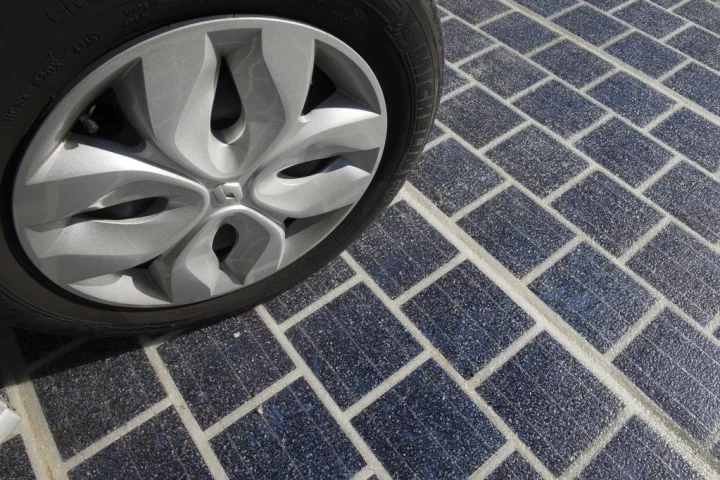 French Minister Ségolène Royal has today officially launched a kilometer long solar road project in Normandy. Nearly 3,000 Wattway panels are expected to produce an average of 767 kWh of electricity per day, peaking in summer months to as much as 1,500 kWh.
 -
 Researchers have developed a process that uses pig manure as a low-cost replacement for petroleum in the production of road asphalt. In searching for bio alternatives, the group discovered that swine waste is especially rich in oils very similar to petroleum suited for asphalt production.
Load More