
RMIT University
-
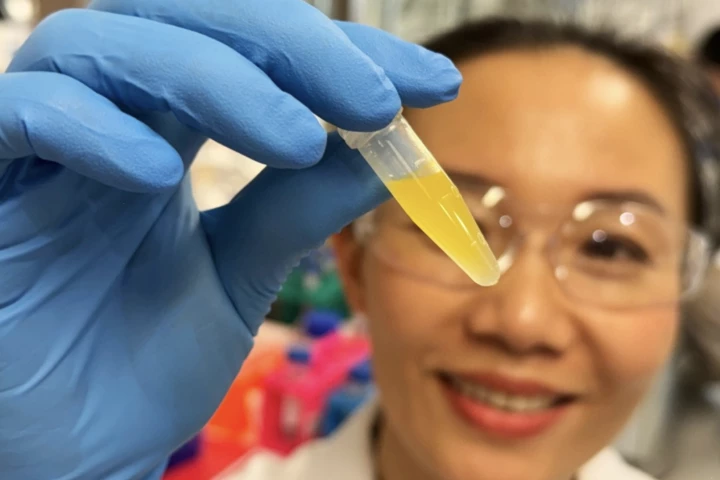 Scientists have developed a new eyedrop that can ferry protective compounds all the way to the retina, paving the way for a less-invasive – and injection-free – method of managing sight-stealing diseases such as age-related macular degeneration.
 -
 In a landmark 14-year study, researchers found that artificially sweetened drinks raise the risk of developing type 2 diabetes by more than a third, higher than those with sugar. It challenges the perception that diet drinks are healthier options.
 -
 Researchers have developed a new method for preventing bacteria from adhering to surfaces, such as medical devices. It relies on the unique properties of resilin, a natural insect protein that enables fleas to jump hundreds of times their body length.
 -
 A diet low in carbs and high in fat, which has gained popularity for shedding weight, can increase type 2 diabetes risk by 20%, according to a new study. The research team behind the study say their findings highlight the need to eat a balanced diet.
 -
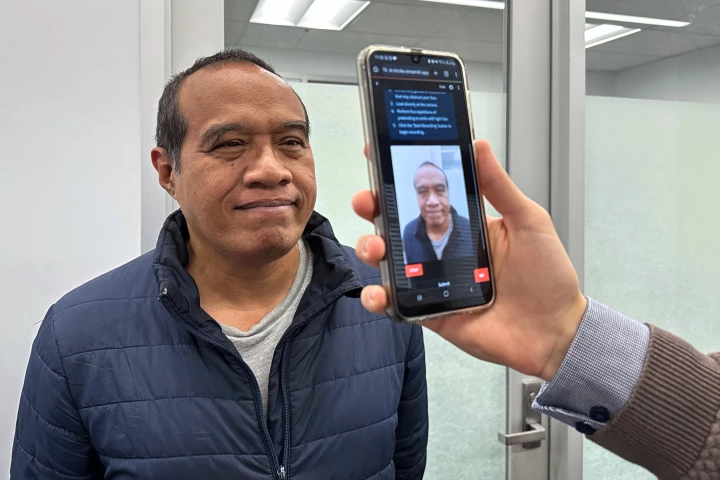 If someone has suffered a stroke, the sooner they get the appropriate medical attention, the better. A new smartphone tool may help ensure that happens, by allowing first responders to determine if a patient has indeed experienced a stroke.
 -
 A new international study has revealed that the prevalence of image-based abuse, so-called ‘sextortion,’ among adult men and women is more common than was first thought, with a high degree of overlap between perpetrators and victims.
 -
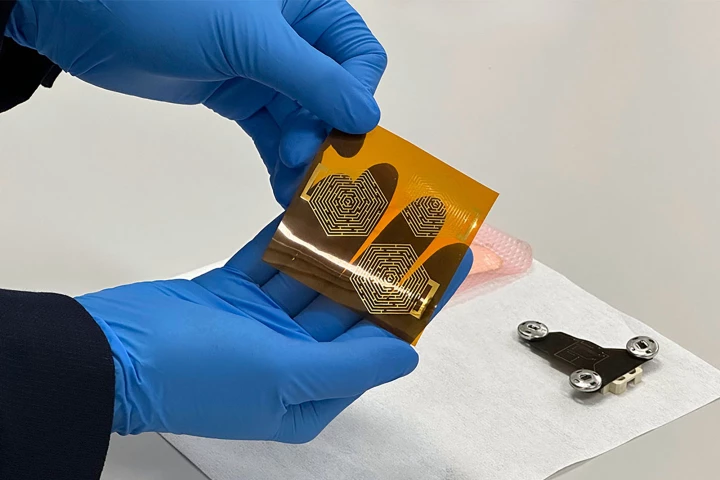 Researchers have developed an ultrathin, waterproof, gel-free ECG electrode for continuous heart monitoring that offers greater comfort than current devices on the market, while still precisely measuring the heart’s electrical activity.
 -
 Researchers have found that using nanoflakes of black phosphorus on wounds infected with drug-resistant superbugs not only kills the bugs, but accelerates wound healing. They say the innovative antimicrobial can be incorporated into common materials.
 -
 Inspired by dragonfly wings, researchers have developed a drug-free way to kill off drug-resistant microbes that commonly cause hospital-acquired infections. It's a novel and effective way of tackling the problem of antibiotic-resistant superbugs.
 -
 Inspired by the human eye, researchers have created a tiny device that captures, recognizes and memorizes images enabling it to make quick, real-time decisions based on what it sees. The device could one day be used in self-driving cars.
 -
 Australian scientists have designed a new capsule that could mean diabetics might one day swallow their insulin instead of injecting it. The design also has potential uses in delivering other protein drugs, such as antibiotics and cancer treatments.
 -
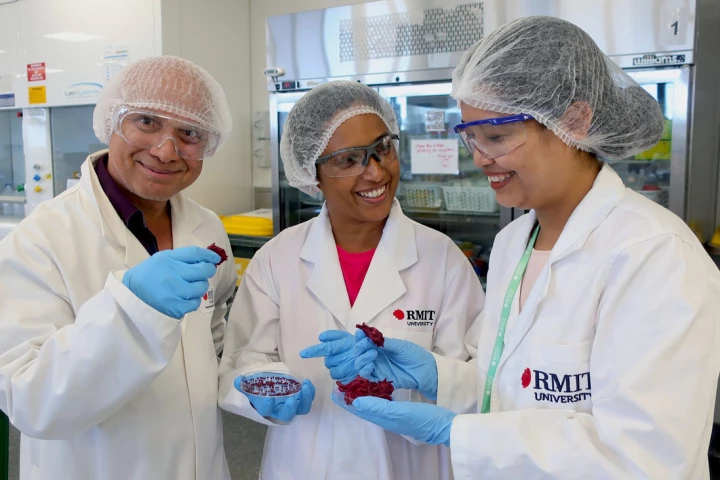 For some people who are morbidly obese, changes in diet and lifestyle just aren't sufficient to shed all the extra weight. A new study suggests that a hibiscus flower extract could help, without the side effects of weight-loss drugs.
Load More