
RFID
-
 Don’t remember if you took your pills? Try MIT’s SAFARI (Smart Adherence via FARaday cage And Resorbable Ingestible). The capsule has its own bioresorbable radio that activates itself when swallowed, so you’ll never worry about missing a dosage.
 -
 There are many situations in which it's important to know how much force one object is applying to another item. A small, thin sticker has been designed to measure and relay such data, without requiring wires or batteries.
 -
 We've recently seen a number of battery-free implantable biosensors, that are activated by the handheld device that reads them. Scientists have now created another such sensor, that's smaller than any that have come before.
 -
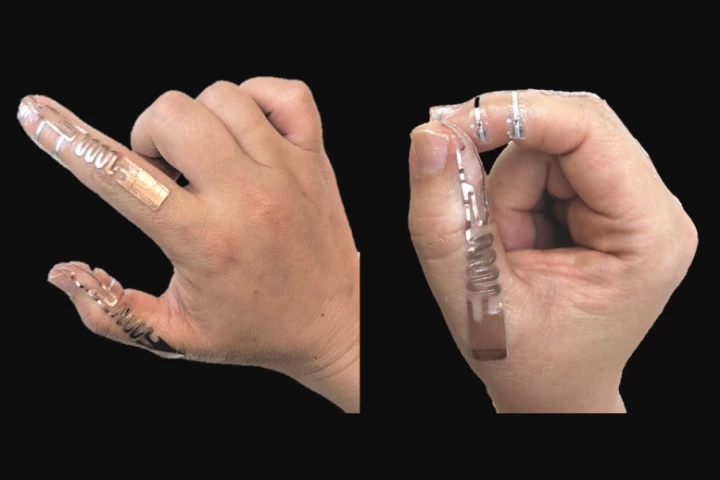 In order for surgeons to maintain sterility in the operating room, they certainly shouldn't be using touchscreens. A new wearable, however, may allow them to navigate content such as preoperative planning diagrams, without touching the screen.
 -
 Essentially cheap, battery-less, sticker-type devices, RFID tags transmit a signal when temporarily powered up by the electromagnetic signal from a reader device. Now, thanks to experimental new technology, they could be used to bring "smart" functionality to plain ol' analog objects.
 -
 Passive RFID (radio frequency identification) tags are small, inexpensive, battery-less labels that are already used to track and identify a wide variety of items. If MIT's experimental RFIQ system enters general use, they may also soon allow consumers to check if food products are contaminated.
 -
 Traditional batteries are large, contain toxic chemicals, and need to be periodically replaced, meaning they're not ideal for powering medical implants. But new research from MIT and Brigham and Women’s Hospital has demonstrated a new way to power implanted devices using radio waves.
 -
 You've gotta watch what you eat and drink … but if you need a little help doing so, a new tooth-mounted antenna-like sensor could help. Designed by scientists at Tufts University, it's currently able to track its wearer's intake of glucose, salt and alcohol.
 -
 When emergency response crews have to deal with many casualties at once, one of the first things they do is set up a triage system. It's a system that works, but the BRIDGE project is trying to make it better, with its eTriage technology.
 -
 The intelligentM system monitors the hand-washing activities of healthcare workers, to make sure that they're doing it properly and frequently enough.
 -
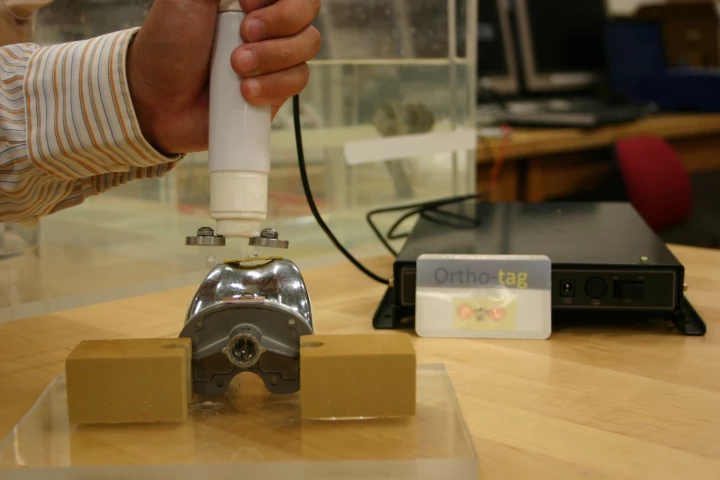 Ortho-Tag is a system in which information regarding orthopedic implants is stored on a chip attached to the implant, and can be read with a handheld external probe.
 -
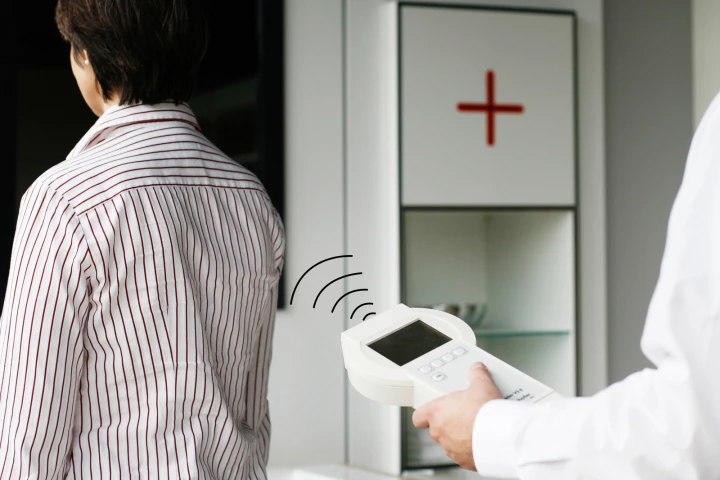 Getting to the heart of the matter with miniature sensor attached to the heart wall
Load More