
Remote Control
-
 Scientists have installed an electronic backpack on giant flower beetles, allowing them to be remotely controlled while in free flight. The technology not only gave the researchers a better insight into how the insects fly, but it could also find use in areas such as search-and-rescue.
 -
 Why go to the trouble of designing tiny flying robots from scratch, when there are already ready-made insects that are about the right size? That's the thinking behind research being conducted at North Carolina State University, which is aimed at converting moths into "biobots."
 -
 Although no one is saying that aircraft carriers will soon be able to fuel their jet fighters using water from the ocean, such a scenario has recently come a step closer to reality. Scientists have successfully flown a model airplane that was running purely on fuel derived from sea water.
 -
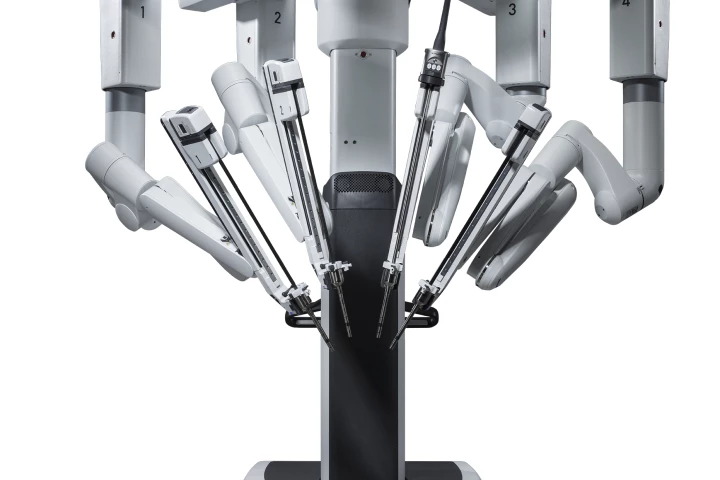 While many people no doubt still look at the da Vinci robotic surgical system as a sort of "wonder of the future," it's actually been around now for over 10 years. Therefore, it shouldn't come as a surprise that the new-and-improved Xi model has just been announced.
 -
 Trained dogs can do a lot of things, but one thing that they can’t do in all situations is hear commands made their handlers. That’s why scientists at Alabama’s Auburn University have created a control system to guide them.
 -
 Horizon Fuel Cell Technologies has announced the availability of its new hydrogen-powered remote-control toy car, the i-H2GO.
 -
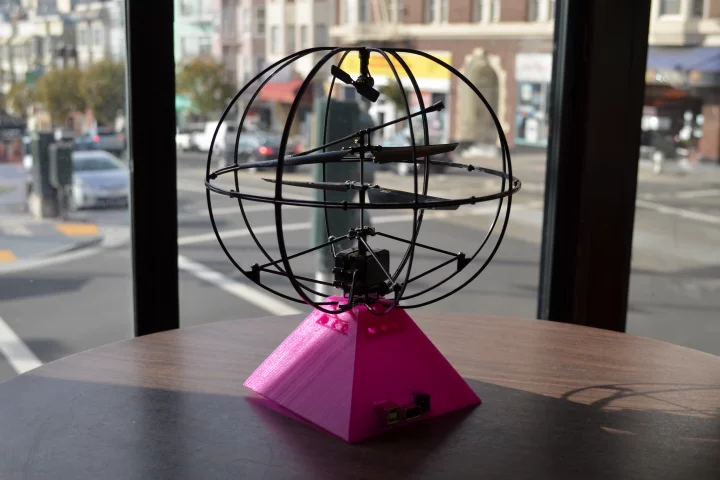 The Puzzlebox Orbit brain-controlled helicopter will be available to buy next year, with software/app source code, protocols and hardware schematics freely available under an open-source license.
 -
 The AquatiCo project would allow computer users anywhere in the world to control an actual ocean-based submarine over the internet.
 -
 Scientists have created a system for steering live cockroaches by remote control.
 -
 Newly-developed skin patches could be used to wirelessly deliver acupuncture treatment on demand.
 -
 CAMDASS uses augmented reality to provide astronauts with instant medical know-how.
 -
 Using inexpensive and widely available technology combined with the latest techniques in optogenetics researchers at Georgia Tech have created genetically engineered remote controlled animals.