
Reactors
-
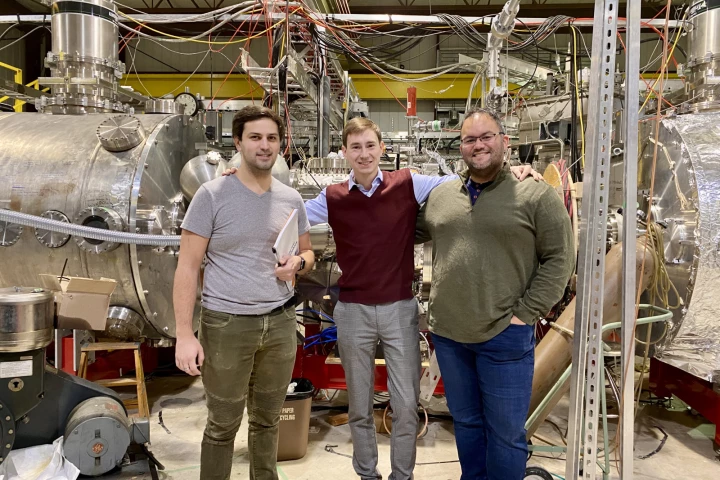 The insides of nuclear fusion reactors are violent and chaotic places. A new cold-spray coating can take the heat and also trap some rogue hydrogen particles at the same time, potentially making for smaller, better plasma chambers.
 -
 Greenhouse gases and plastic waste are two of the biggest environmental problems the world faces today. A new reactor from Cambridge tackles both at once, converting CO2 and used plastic bottles into useful materials, powered entirely by sunlight.
 -
 We’re all familiar with the march of time, but why it does so is a mystery. In 2016 Australian physicist Joan Vaccaro proposed a new quantum theory of time, and now a team will test the hypothesis by searching for time dilation in a nuclear reactor.
 -
 A new reactor converts carbon monoxide into acetic acid, using tiny copper cubes as a catalyst. The device is relatively simple and can operate for long periods, allowing the unwanted waste gas to be turned into an industrially useful product.
 -
 Hitachi, in partnership with MIT, the University of Michigan, and the University of California, Berkeley are working on new reactor designs that use transuranic nuclear waste for fuel; leaving behind only short-lived radioactive elements.
 -
 What if there existed a means of nuclear power generation with which these risks were drastically reduced?
 -
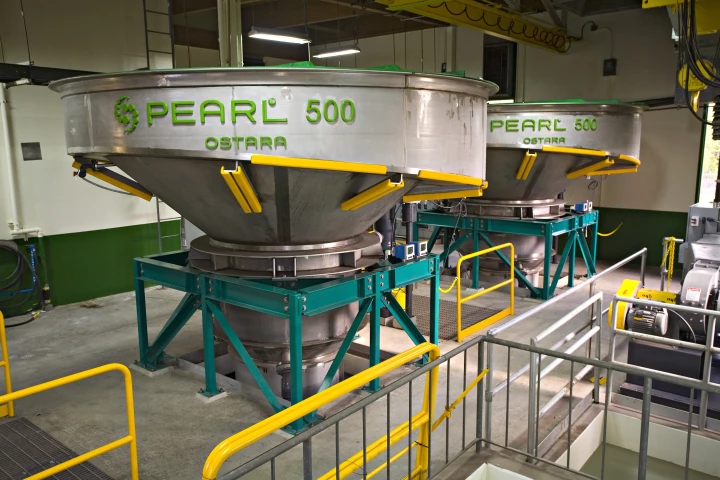 Ostara makes fertilizer from phosphorus, which it harvests from municipal raw sewage.
 -
 Researchers using computer simulations have created a mechanism whereby displaced atoms (caused by radiation) are returned to their rightful place.