
Rain
-
 The dynamic way different-shaped snowflakes perform distinct 'dances' within clouds has been found to influence how much precipitation is likely to form. The discovery of this unique cloud choreography opens the door to precise weather forecasts.
 -
 Artificial-turf sports fields may be more durable than those covered in grass, but they also get very hot during warm weather. Scientists have devised a method of cooling them – and the cities they're in – using rainwater stored beneath the turf.
 -
 A new type of storm has been discovered in the skies over the Indian Ocean. Named “atmospheric lakes,” these events are slow-moving pools of concentrated water vapor that can last for days and bring large amounts of rain to the surface below them.
 -
 Scientists have recreated in the lab some of the wild weather that might be found on Jupiter and Saturn. Using extremely high pressures and laser shock waves, the researchers produced helium rain which has been hypothesized to fall on these planets.
 -
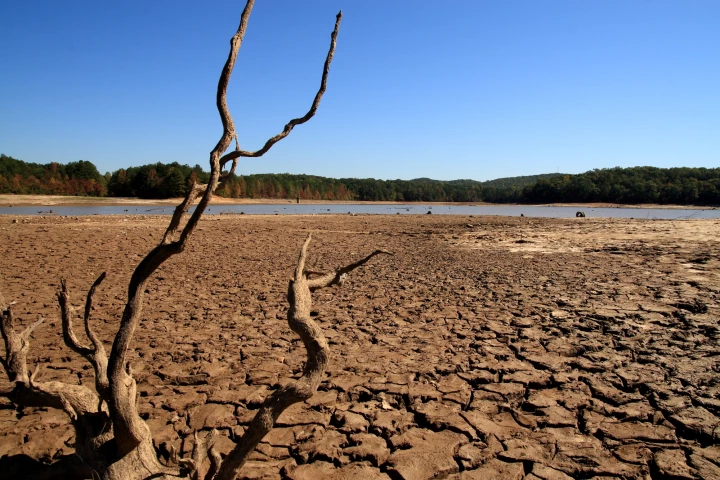 The western United States has been suffering drought since 2000. A new study has examined extreme droughts in the region dating back 1,200 years, and found that the current conditions have the makings of a “megadrought” that could last decades.
 -
 New research from an international team of scientists is suggesting that instantly recognizable earthy smell after rain is released by bacteria trying to attract a particular arthropod as a way to spread its spores.
 -
 Astronomers may have found a world where it rains iron. The exoplanet is exposed to thousands of times the radiation that the Earth receives from the Sun, rendering the surface hot enough to vaporize metals that later fall as rain.
 -
 The summer of 2018 was marked by extreme weather events like droughts and floods. A new study has pinned the blame on stalled giant waves in the jet stream, and unfortunately they’re expected to only get worse with the changing climate.
 -
 Aircraft have been known to mess with the clouds as they pass through or over them. A new study has found that planes could be boosting rainfall and snowfall by up to 10 times, and examined the microphysics behind it.
 -
 Studying the effects of once-in-a-century rainfall in the hyperarid core of the Atacama Desert in Chile, a team of astrobiologists found that instead of causing a bloom of growth, the unexpected abundance of water killed off three quarters to seven/eighths of the microbe species present.
 -
 Fresh air might not be quite as fresh as we think. Viruses and bacteria get swept up into the atmosphere in enormous amounts, and now a new study has quantified that amount, finding that untold billions of microorganisms are raining down across the Earth every day.
 -
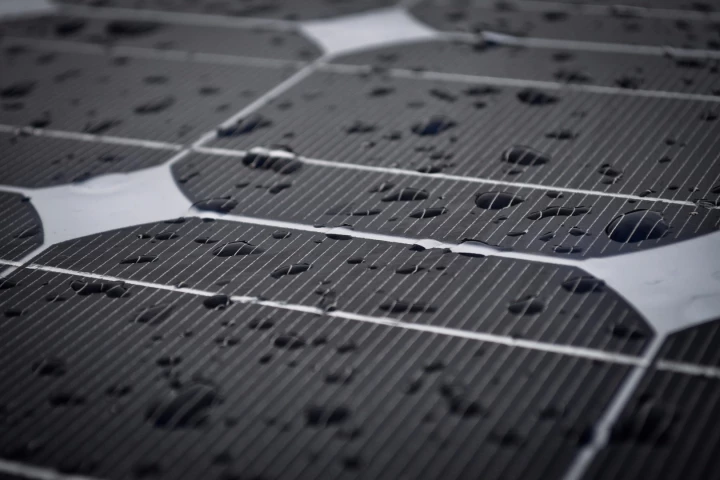 A team of researchers in China has leveraged the remarkable properties of the wonder material to develop a new all-weather solar cell design that is able to generate electricity when current solar cells can't – when it's raining.
Load More