
Radio Waves
-
 Astronomers have detected a really bizarre radio signal from space that repeats every hour, cycling through three different states. While they have some ideas about its origin it can’t be explained by our current understanding of physics.
 -
 One day on Mars is about 37 minutes longer than an Earth day – but it seems both planets are working to fix the gap. Data from NASA’s InSight lander have revealed Martian days are getting ever so slightly shorter, and scientists aren’t sure why.
 -
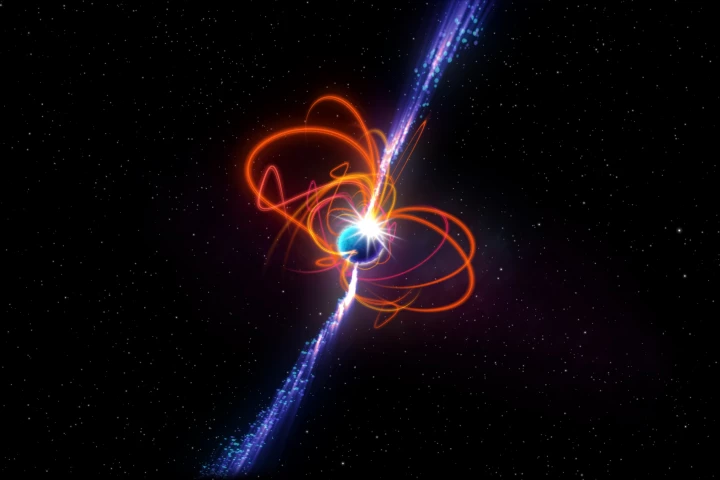 Astronomers have detected a radio signal that blares for several minutes at a time, every 21 minutes, and has been doing so for at least 35 years. This bizarre signal doesn’t fit any known object without some major revisions to current physics.
 -
 Researchers have developed a new technique to better detect extraterrestrial radio signals by weeding out the interference caused by Earth-based devices. It’s hoped that the technique will lead to the first evidence of alien life.
 -
 The chances are incredibly small that Earth is the only planet with life. A new AI system has scoured millions of radio signals from space to identify any with potential artificial origins – and discovered eight signals that look intriguingly alien.
 -
 Models of the universe predict that supernova remnants should be far more common than they are. Now, a new image from sensitive radio telescopes reveal that the missing remnants are hiding in plain sight.
 -
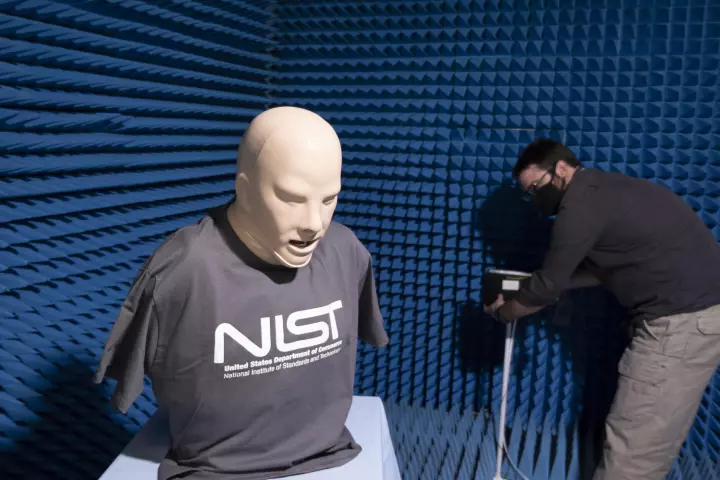 By modifying an off-the-shelf Wi-Fi router with a firmware update and using a deep-learning algorithm, scientists have been able to detect breathing patterns that indicate respiratory distress in a medical mannequin.
 -
 A highly sensitive, next-generation radio observatory has started to come to life, with construction now officially underway on the Square Kilometre Array (SKA), a dual-site science facility located in Australia and South Africa.
 -
 Astronomers have discovered a bizarre radio signal in our galaxy that can’t be explained by any known object. When active the source gives off radio bursts lasting a minute, every 20 minutes, which should be impossible based on what we know about it.
 -
 The mystery of fast radio bursts may be closer to being solved. Astronomers studying a repeating signal from a nearby galaxy have detected radiation at the lowest frequency of any FRB found so far, providing new potential hints about their origin.
 -
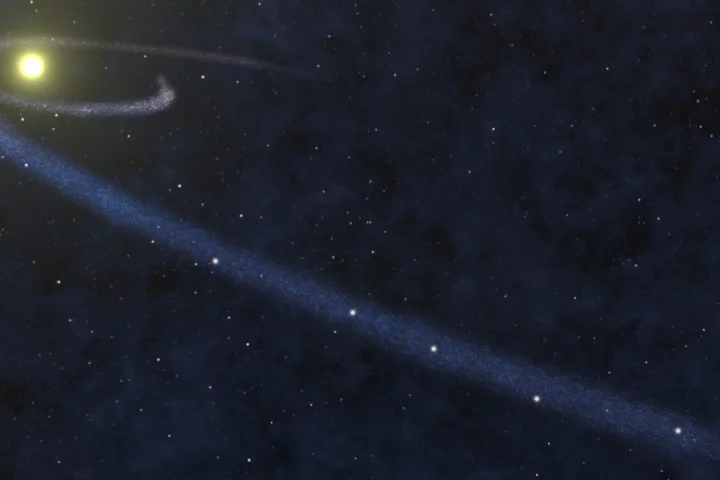 By studying the twinkling of stars, astronomers in Australia have discovered a huge cloud of cold gas in our galaxy, not far from Earth. This invisible mass could provide new hints about where to find the universe’s missing matter.
 -
 NRAO has announced a new addition to NASA’s upcoming moon-shot Artemis program. From the silent skies on the far side of the Moon, the DAPPER spacecraft will listen out for radio signals from the cosmic “Dark Ages,” before the first stars fired up.
Load More