
Queensland University of Technology
-
 In a breakthrough for diagnostics, scientists have created an effective and easy test that identifies a heart failure biomarker in saliva, opening the door to more rapid and accessible life-saving medical interventions for this disease – and others.
 -
 The sex life of a tiny Australian marsupial known as an antechinus is already pretty bizarre. But now its mating season has gotten even stranger – and darker – thanks to the introduction of cannibalism, as observed by field researchers.
 -
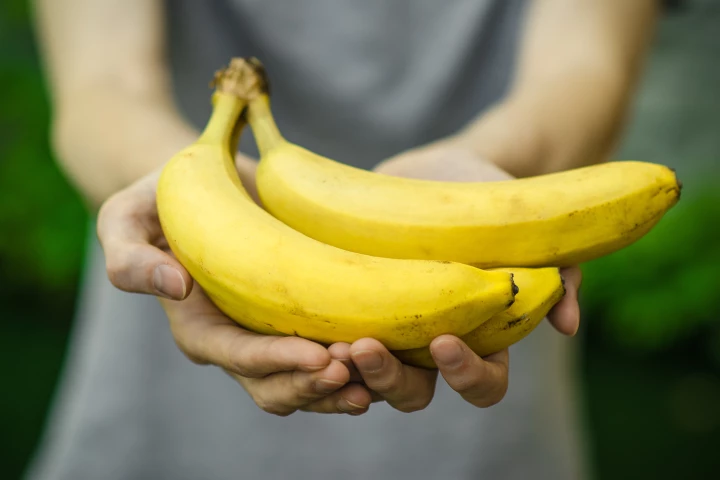 Fusarium fungus once decimated the world’s dominant Gros Michel bananas, so much so that the Cavendish variety became the global go-to. Now, as a new strain threatens its survival, approval of the very first GM Cavendish could prevent "bananageddon."
 -
 A new study has found that nose bacteria can make their way into the brain through nerves, and could lead to Alzheimer’s disease. The work adds to the growing body of evidence that Alzheimer’s may be triggered through viral or bacterial infections.
 -
 A study is presenting evidence a major coronavirus outbreak struck humans in East Asia around 20,000 years ago. The scientists found genomic marks indicating local populations faced a long viral epidemic that only dissipated a few thousand years ago.
 -
 If there's one place where you don't want viruses or harmful bacteria to be present, it's in hospitals, where people are already vulnerable. A new process could help, by allowing aluminum surfaces in such buildings to kill the bugs.
 -
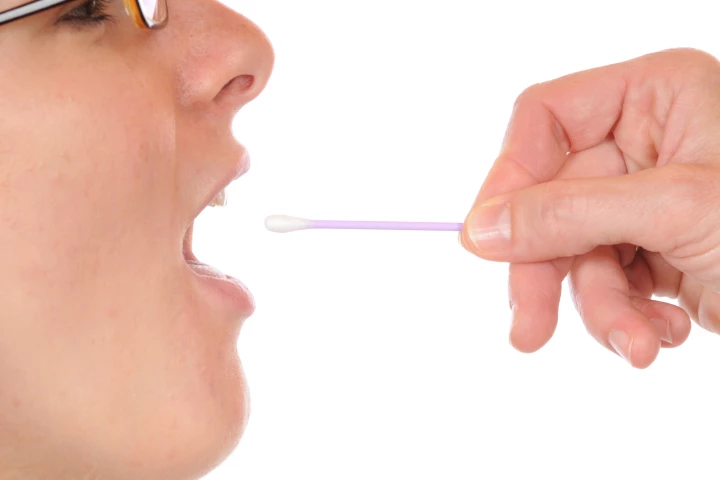 A new case report describes the discovery of throat cancer in a subject using a novel saliva test designed to detect human papillomavirus virus. The saliva screening test appears very promising but needs further validation before broad deployment.
 -
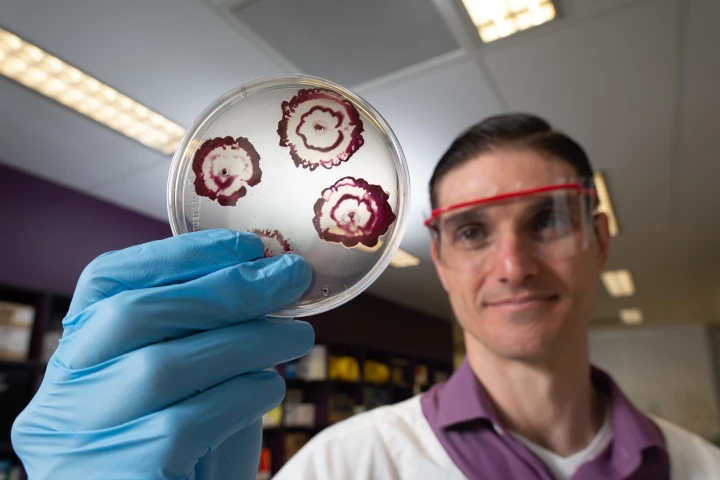 Bacteria tend to build colonies behind barriers known as biofilms, which are hard for antibiotics to penetrate. Now, researchers at the Queensland University of Technology (QUT) have developed a hybrid antibiotic that can punch through some biofilms.
 -
 Currently, if someone has a damaged cornea (the surface of the eye), it's covered with a "bandage" made from the amniotic membrane of human placentas. While this helps repair the eye, an Australian scientist is developing what he believes may be a better alternative – a wound-healing contact lens.
 -
 It may look like a discarded piece of plumbing or a message in a bottle bobbing about aimlessly in the river, but Queensland University of Technology's humble "Drifter" hides some serious kit with a lifesaving mission for flood-prone regions.
 -
 Scientists studying tough microbes called archaea may have uncovered the key to an anti-aging drug. By manipulating a “super hero” protein, the researchers found a way to “trick” cells into acting younger by keeping the DNA repairing process running much longer than usual.
 -
 Researchers at the Queensland University of Technology (QUT) have used a new technique to produce detailed images of dragonfly wings, showing more than 10 billion tiny 'fingers' (nanostructures) lining the wing surface that make bacteria tear themselves apart.
Load More