
Purification
-
 Scientists in Canada have demonstrated a promising new device that can purify a gallon of water a day, for just a few cents per gallon. Better yet, it’s made of old tires, and can even generate small amounts of electricity.
 -
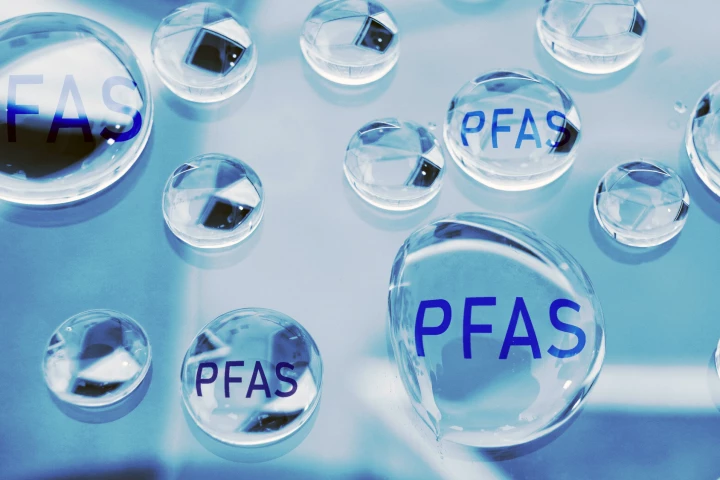 Proposed methods of removing toxic ‘forever chemicals’ from water have either only trapped the chemicals or broken them down. A new study has demonstrated a method that does both effectively. And it's quick and cheap.
 -
 We often hear of cyanobacteria as being the cause of toxic algae blooms in lakes. Soon, however, a 3D-printed material that incorporates the microbes may be used to purify polluted water – and after the bacteria are finished, they'll kill themselves.
 -
 Estrogen can harm aquatic plants and animals when passed into waterways via human and agricultural waste streams. Researchers have now developed a new way of removing the hormone from water, however, using what's known as "smart rust."
 -
 If you leave a clear bottle of water in the sunlight, the UV rays will kill any microbes in that water, making it drinkable … but it has to sit in the sun for at least six hours. A new sunlight-activated powder, however, does the job in one minute.
 -
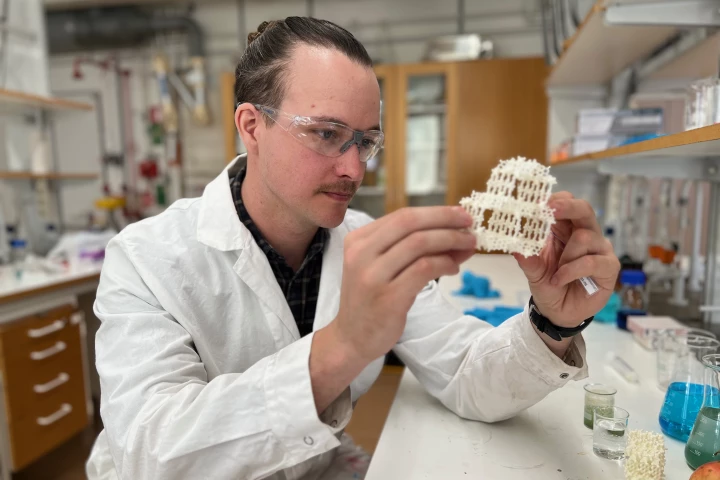 In recent years, pomegranate-derived compounds have been shown to slow cellular aging, protect unborn babies' brains, and serve as additives in better automotive materials. Now, they've also been used to remove pharmaceuticals from wastewater.
 -
 Removing heavy metal pollutants from water could soon be easier than ever, thanks to an experimental new sponge. With just one treatment, the device brought contaminated water down to safely drinkable levels.
 -
 Scientists in Australia have developed an intriguing new technique for removing toxic “forever chemicals” from water. Adding a solution to contaminated water coats the pollutants and makes them magnetic, so they can easily be attracted and isolated.
 -
 Microplastics are a growing environmental problem, but now researchers in Korea have developed a new water purification system that can filter out these tiny fragments, as well as other pollutants, very quickly and with high efficiency.
 -
 PFAS are insidious pollutants thanks to their ubiquity, long life and a growing list of linked health concerns. But now researchers at UC Riverside have developed a new method to break them down more effectively, using hydrogen and UV light.
 -
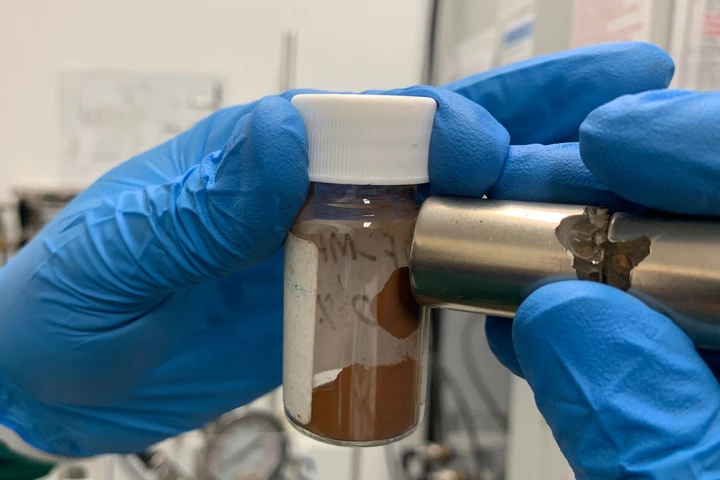 While the purification of wastewater once just involved the removal of traditional pollutants, it now also entails the removal of microplastics. A new powder reportedly does the job much quicker and more thoroughly than has previously been possible.
 -
 When cooking oil is extracted from peanuts and sunflower seeds, a waste product known as oilseed meal is left behind. New research shows that proteins harvested from that meal can be used to filter heavy metals out of contaminated water.
Load More