
Purdue University
-
 Using chemical clues from Neanderthal bones, researchers have placed them at the top of the food chain, alongside apex predators like lions. However, until now, experts have been missing out on one of their key, fat-rich, food sources: Maggots.
 -
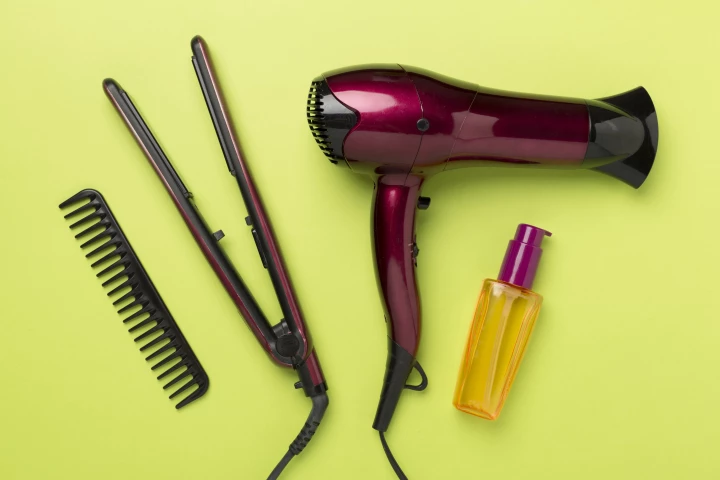 Hair care may be turning your bathroom into a hazardous emissions zone, as scientists find that 10-20 minutes of styling with common products and tools resulted in 10 billion ultrafine particles being inhaled and able to cross into the bloodstream.
 -
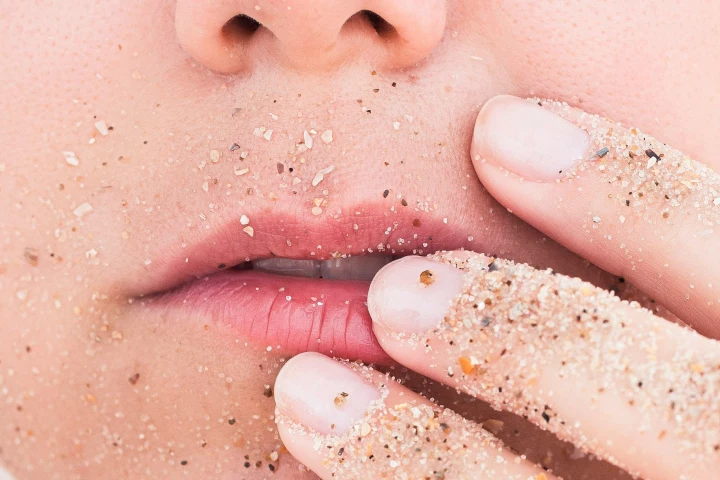 You might be familiar with dry mouth from partaking in a certain kind of recreational substance (or you might not be, we're not judging), but the condition can actually have verifiable medical causes. A new gel-based blob could be a great cure.
 -
 Using scented products indoors changes the chemistry of the air, producing as much air pollution as car exhaust does outside, according to a new study. Researchers say that breathing in these nanosized particles could have serious health implications.
 -
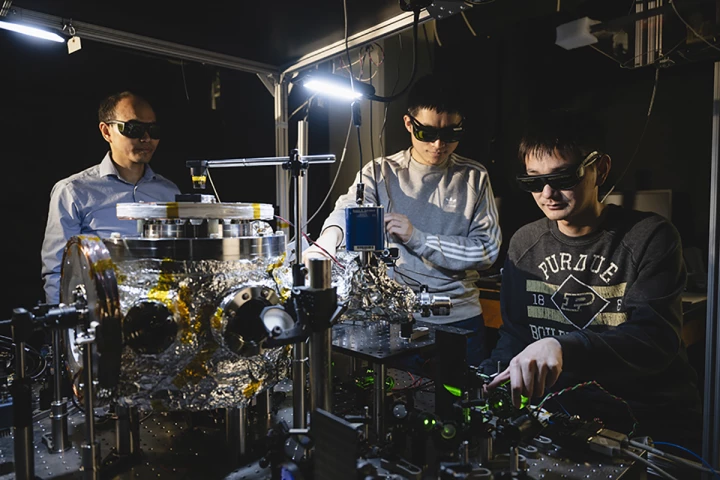 Physicists have levitated nanoscale diamonds, hit them with lasers to make them flash and spun them at an incredible 1.2 billion rpm. The experiments aren’t just about creating the “world’s smallest disco” but could help the study of quantum physics.
 -
 The ravages of smoking cigarettes on human health have long been established. Now a new study says that contact with cigarette smoke, even if it's on your clothes after coming from a smoky environment, can damage your dog's health as well.
 -
 Is there microbial life floating around in the clouds of Venus? Scientists have long pondered this question and soon we may get some answers, starting with a cloud-skimming mission in 2023 to search for signs of life.
 -
 Chronic wounds such as skin ulcers can be difficult to treat, partially because of antibiotic-resistant "biofilms" that form over the affected tissue. A new type of microneedle patch, however, has been shown to deliver medication through such films.
 -
 Various groups are currently working on tiny "robots" that could deliver medication to specific locations within the body. One of the latest such microbots, known as the MANiAC, is designed specifically for use in the delicate central nervous system.
 -
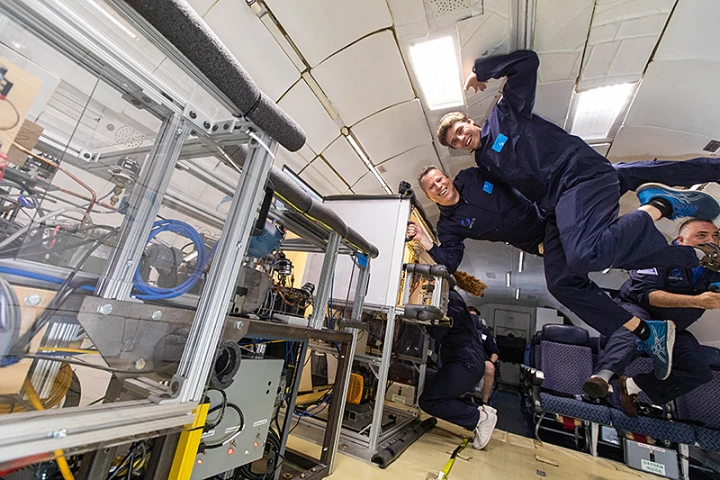 Refrigeration in space is a complex engineering challenge, but nailing it would change the game for astronauts. Scientists have just taken a significant step forward by demonstrating a zero-gravity fridge in microgravity experiments here on Earth.
 -
 For some time now, bacteria-killing ozone gas has been used to help heal chronic wounds such as diabetic skin ulcers. Such treatment could soon be a lot more practical and effective, thanks to an experimental new wearable system.
 -
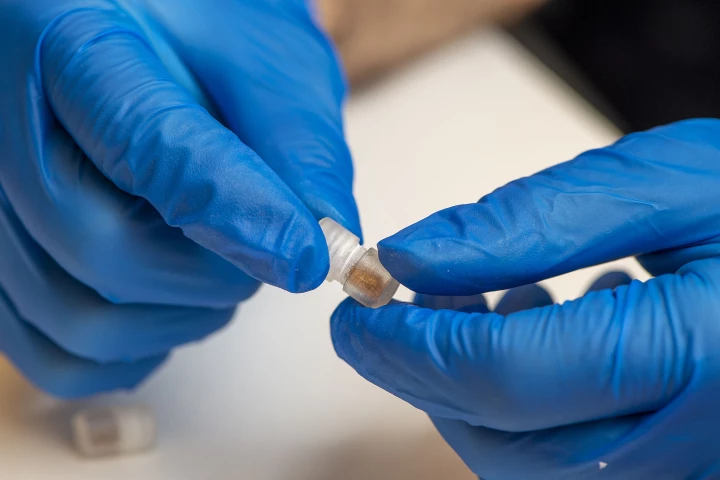 The bacteria that are present in a person's gastrointestinal tract can reveal a lot about their health. A newly developed capsule could provide even more information, by gathering bacteria from specific locations within that tract.
Load More