
Prototype
-
 Scotrenewables Tidal Power has announced that its SR2000 floating tidal stream turbine prototype has managed to generate more than 3 GWh of renewable electricity during its first year of continuous operation.
 -
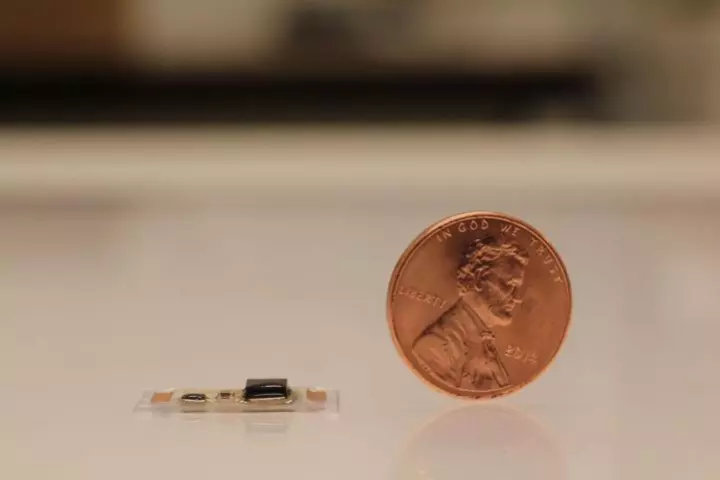 A miniature, pliable, wearable acoustic sensor that captures physiological waves generated in the human body, has been developed. The device allows human health monitoring and the wearer to control remote devices with spoken words.
 -
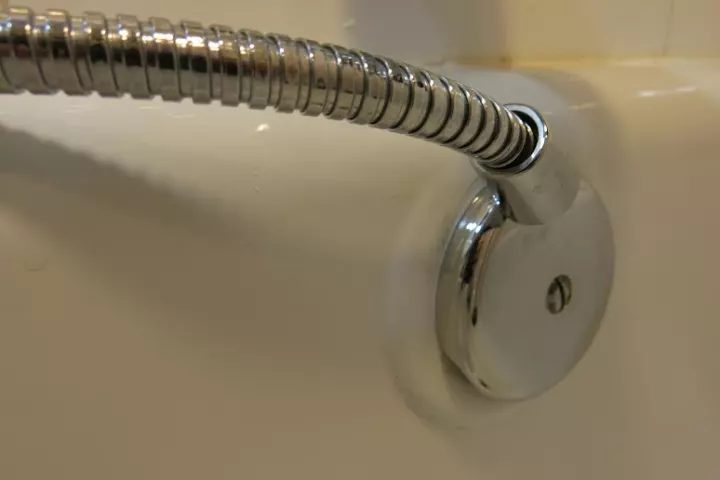 As water shortages haunt many parts of the world, saving water at home is a must. One way to do that is to recycle and reuse grey water. In Vancouver, Canada, a team of designers has created the prototype ReFlow G2RSystem, which recycles bath/shower water to flush the toilet.
 -
 A new pocket-sized wearable device may make walking much safer for people with visual impairments. It beeps to warn of impending collisions as wearers approach obstacles so that they have time to step aside or reorient.
 -
 Scientists have created an exoskeleton without any electronic motors, heavy batteries and pneumatic actuators called the Sensorimotor Enhancing Suit. The soft upper body vest is made out of flexible fabrics and enhances sensorimotor functions by reducing the load on muscles in the upper limbs.
 -
 Computer-controlled artificial legs have aided in improving amputees' freedom of movement by mimicking the natural motion of their missing limbs. Now, a new robotic ankle promises to make this motion even more precise by dynamically adjusting to the terrain underfoot.
 -
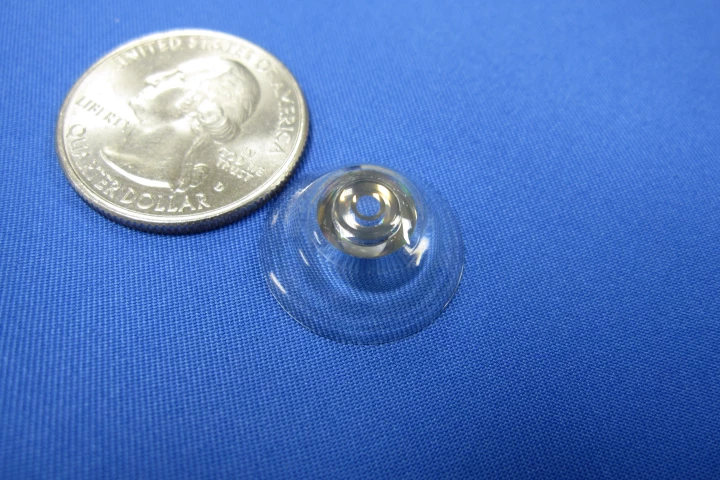 Prototype contact lenses have been created that have tiny telescopes built in to boost vision, and increase magnification in response to the user's eye winks. Originally designed to improve battlefield vision for soldiers, the new lenses may also help people with age-related macular degeneration.
 -
 Using atoms of the rare-earth element europium, scientists from the Australian National University have shattered previous records for quantum information retention by creating a storage device capable of holding quantum state information for up to six hours at a time.
 -
 To make moving and treating Ebola patients safer, Johns Hopkins University along with international health affiliate Jhpiego and other partners are developing a new anti-contamination suit for health care workers that is both cooler to wear and easier to remove.
 -
 DARPA is developing an artificial spleen called a "biospleen” capable of removing pathogens from the blood via blood filtration to fight sepsis. It is designed to be both portable and rugged enough to enable widespread deployment in the field.
 -
 Explore Mars, Inc., a private organization made up of technologists and former NASA engineers, wants to look for signs of any present life on Mars not by scratching about on the surface, but by dropping supersonic lances on the planet that will penetrate deep into the Martian soil.
 -
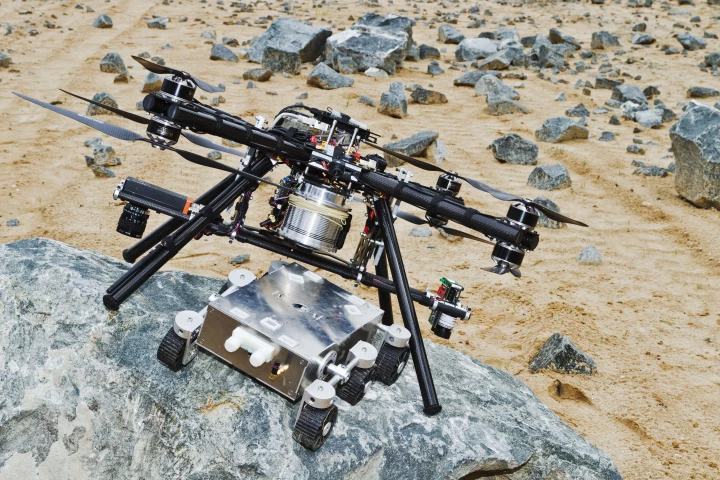 The ESA has tested a novel system that may allow the agency to safely land rovers on Mars using a quadcopter-like dropship. A fully automated, proof of concept Skycrane prototype was created with hardware largely derived from commercially available quadcopter components.
Load More