
Prosthetics
-
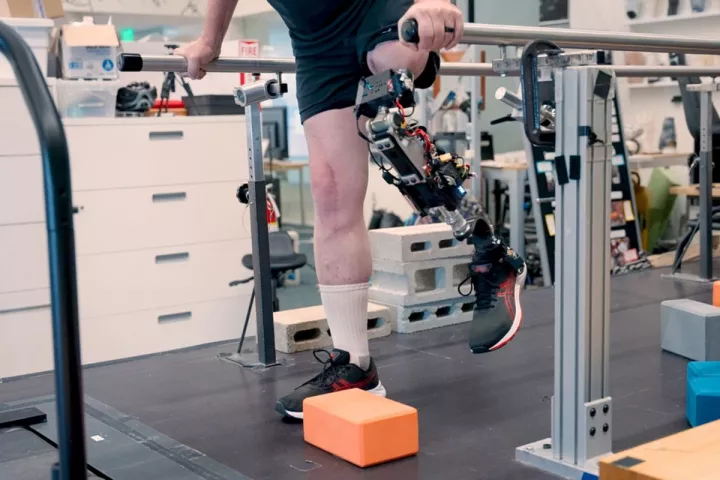 MIT researchers have developed a method to restore natural movement in people with leg amputations above the knee. The team created a bionic knee that integrates with a patient's muscle and bone, enabling fluid motion and greater control.
 -
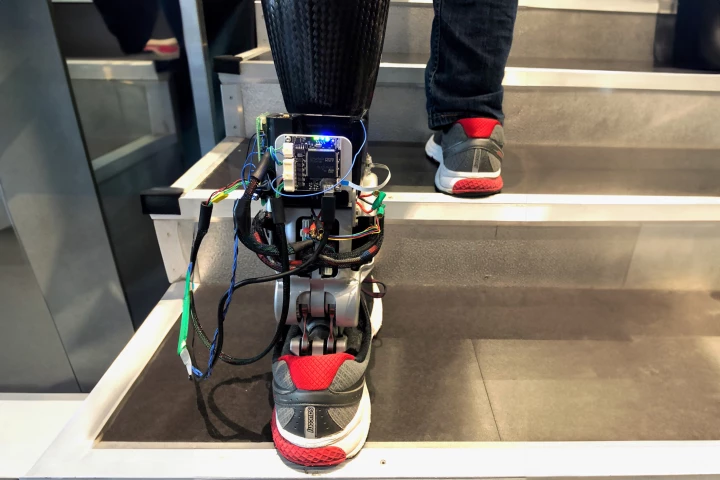 A new surgical technique for below-the-knee amputations retains a person’s ability to receive sensory feedback from remaining muscles. Having a prosthetic leg driven by an amputee’s own nervous system enables them to walk much more naturally, new research has shown.
 -
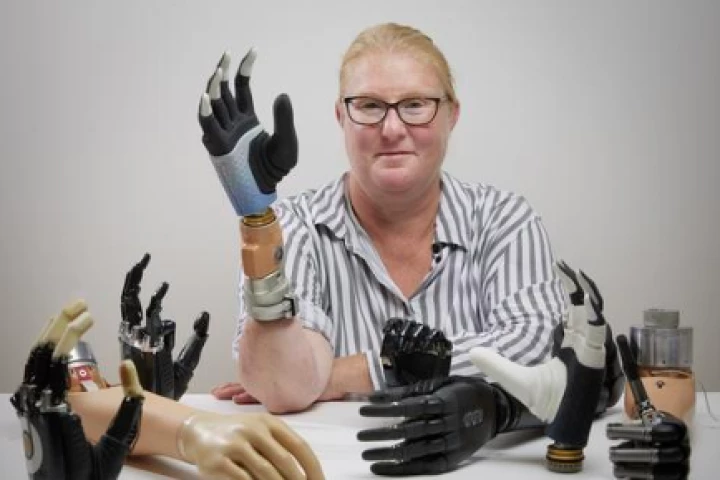 The world is edging closer to fully functional prosthetic limbs, with the success of the bionic Mia Hand. This futuristic piece of biotech connects to the nervous and skeletal systems to offer 80% of normal, daily use to someone who has lost a hand.
 -
 If the socket of a prosthetic leg doesn't conform to the contours of the user's leg stump, pain and even skin ulcers may result. A new prosthesis should help keep that from happening, by automatically pumping up its socket to maintain a good fit.
 -
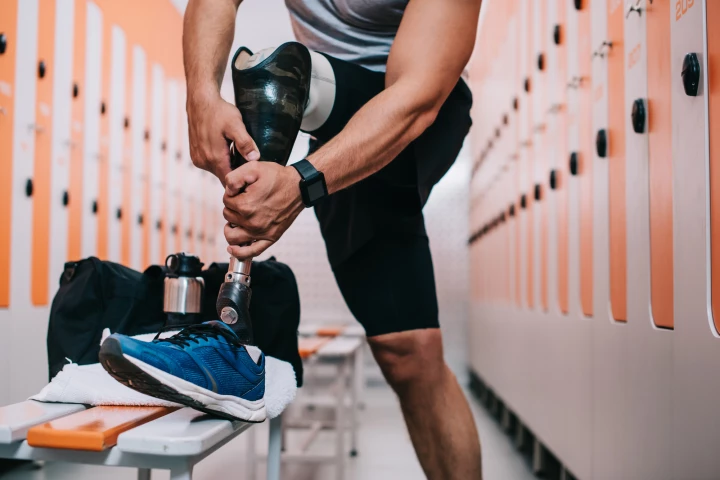 Researchers at the University of Cambridge in the UK have combined human stem cells with flexible electronics to create a new type of neural implant that has the potential to help amputees or those who’ve lost the use of their limbs.
 -
 Skin plays a key role in our sense of touch, but its sensitivity is hard to replicate. Now, researchers have developed a new type of electronic skin (e-skin) containing tiny embedded hairs that can precisely perceive touch and the direction it moves.
 -
 Ordinarily when someone requires a prosthetic eye, a mold has to be made of their eye socket, after which the prosthesis is built by hand. A new 3D printing system, however, is claimed to be much quicker, and to produce a more realistic-looking eye.
 -
 Currently, most powered prosthetic limbs are controlled by electrodes in the user's residual stump. An experimental new MIT system, however, is claimed to work better by replacing those electrodes with implanted magnetic beads.
 -
 Although there have already been birds that received strap-on artificial legs, scientists are now reporting the first successful integration of a prosthetic foot directly into a stork's residual leg bone. They're describing the animal as the world's first "bionic bird."
 -
 A few years ago a designer named Dani Clode introduced the world to the Third Thumb, a robotic finger controlled using pressure sensors under one’s feet. Now neuroscientists are using the device to investigate how our brain's adapt to extra limbs.
 -
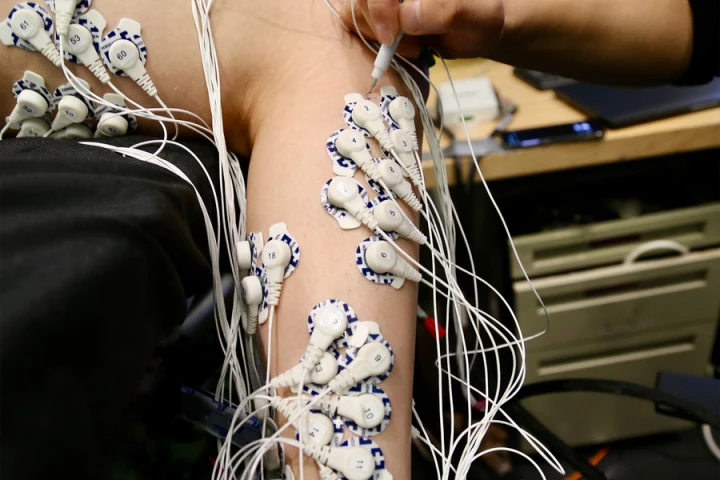 For some time now, we've been hearing about prosthetic limbs that are designed to work with amputees' bodies. MIT researchers are taking a different approach, though, with a new type of amputation that facilitates the use of prostheses.
 -
 Whenever someone receives an implant such as an artificial hip, there's always a risk that it won't integrate with the surrounding bone, ultimately causing it to separate and fail. A new coating, however, has been created to keep that from happening.
Load More