
Postech
-
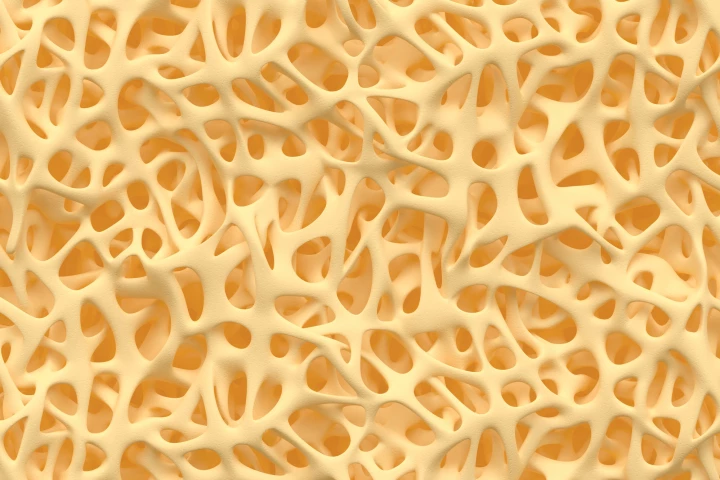 Whether they're caused by injury or other factors, missing sections of bone can be quite difficult to replace. A new injectable hydrogel could change that, however, by transforming into a bone regeneration material when exposed to visible light.
 -
 A mussel protein could one day keep infections from occurring at the site of bone implants such as artificial hips. And while the protein does kill the microbes, it should still limit the development of antibiotic-resistant "superbacteria."
 -
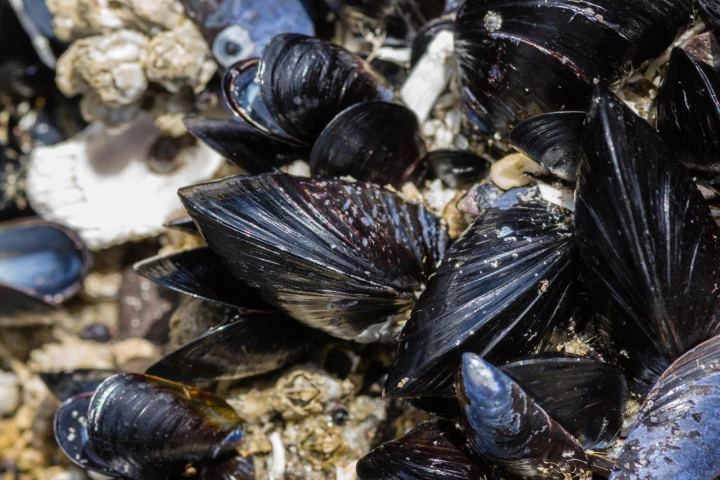 Mussels and silkworms may soon be indirectly responsible for saving people's lives. Scientists have used proteins from both animals to develop an internal wound dressing that stops bleeding and prevents infections.
 -
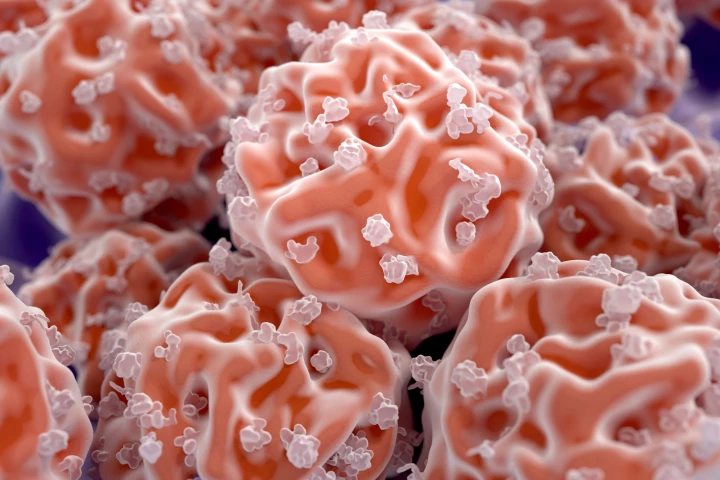 Human stem cells can differentiate into any human cell. But dedifferentiation, differentiation in reverse, is implicated in several diseases. Now, researchers have uncovered a mechanism key to the process of stem cell dedifferentiation.
 -
 Overactive bladder syndrome can interfere with a person’s daily activities and affect their mental health. A new hydrogel-based sensor can continuously monitor overactive bladders and potentially improve the treatment of the condition.
 -
 If people with glaucoma don't stay on top of their condition, blindness may result. An experimental new contact lens is designed to help, by both monitoring glaucoma symptoms and automatically releasing medication as needed.
 -
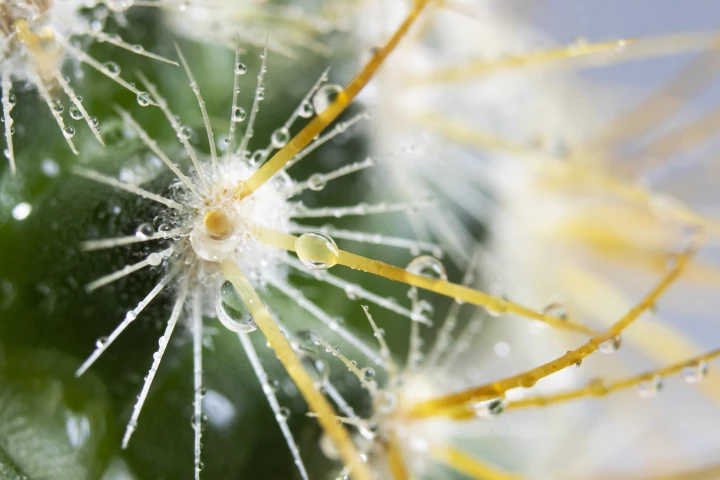 When it comes to detecting biomarker chemicals in a person's body, sweat-analyzing sensors offer a less painful alternative to blood sampling. A new wearable sensor takes a unique approach to collecting that sweat, by mimicking cactus needles.