
Polymer
-
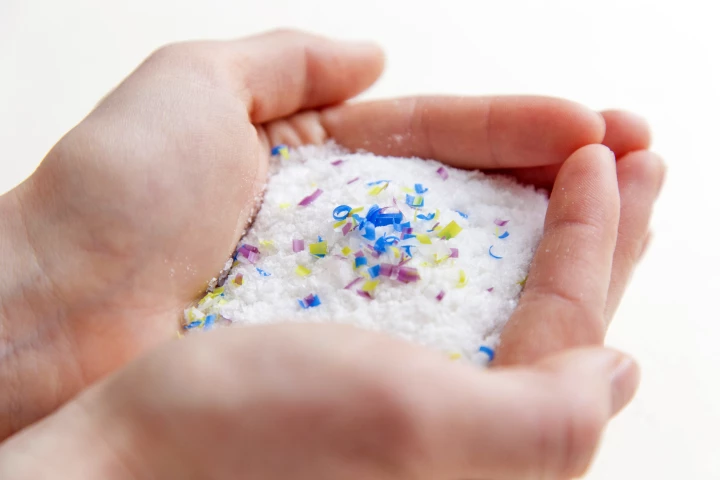 Even when it’s ground into microparticles, 97% of an algae-based plastic biodegrades in compost and water in under seven months, a new study has reported. The researchers hope their plastic will eventually replace existing petroleum-based ones.
 -
 Researchers have developed a product that reduces hair’s moisture-absorbing tendencies, maintaining frizz-free curls for at least six hours in high-humidity environments and even allowing them to bounce back thanks to its shape-memory properties.
 -
 It was just this August that we heard about a super-slippery 3D-printed toilet bowl, which bacteria slide right off of. Well, if you want that same sort of functionality in your existing toilet, a special coating may do the trick.
 -
 It never fails … you go to use a device that should be fully charged, but its battery has gone flat over time. Such may soon no longer be the case, however, if battery manufacturers simply start using a different type of adhesive tape.
 -
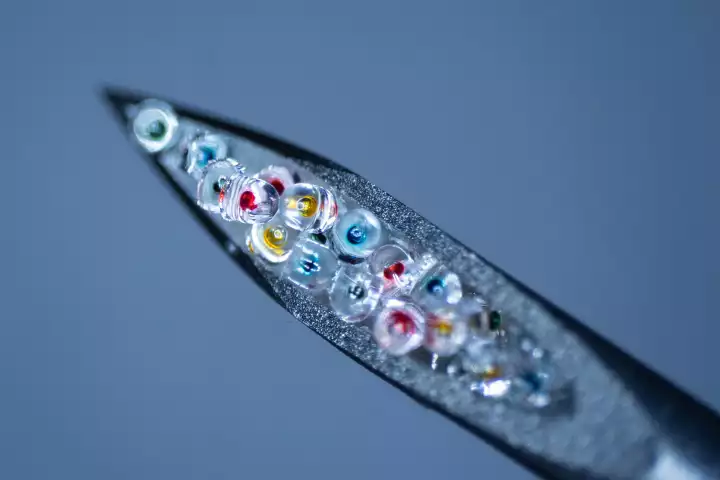 Missing medications or not taking them as required can have costly results. Bioengineers at Rice University may have the solution to missed medications, using advanced technology to create a system that delivers time-released drugs.
 -
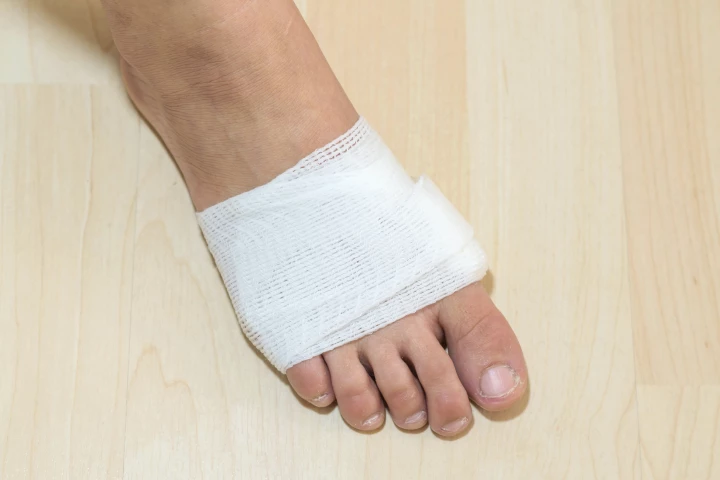 Chronic diabetic skin wounds are notoriously slow to heal, sometimes becoming so infected that amputations are required. A newly identified polymer could help keep that from happening, by radically boosting the healing process.
 -
 Along with their use in foods, soybeans have also been utilized as a source of graphene, a greener alternative to mulch, and an ingredient in longer-lasting tires. Now, they're additionally being used to extend the life of asphalt roads.
 -
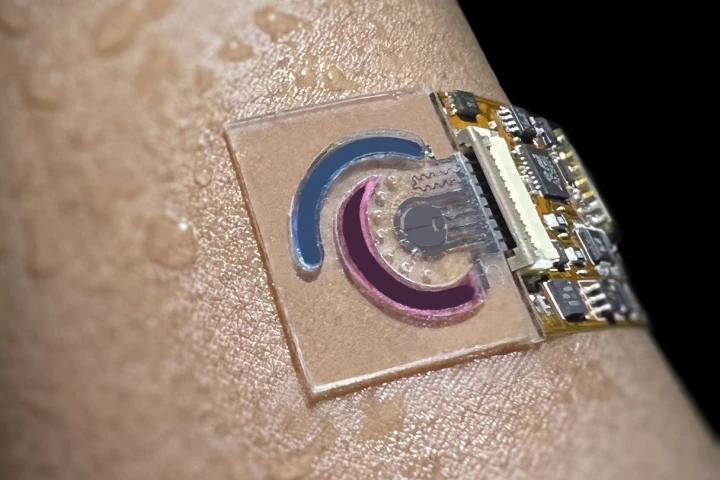 Although there are now a number of skin-worn sensors which identify metabolites in sweat, the technology is limited in what it can detect, plus the sensors often aren't reusable. A new one, however, utilizes a "molecularly imprinted polymer" to be much more useful.
 -
 While medical electrodes are vital to the monitoring of electrical activity in the body, they're rigid and costly, plus they don't stay on well if the wearer is moving. A new sugar-cube-derived electrode, however, addresses those shortcomings.
 -
 When a patient receives an organ transplant, they have to take drugs in order to keep their immune system from rejecting the organ. Such medication may one day no longer be necessary, however, thanks to a new blood vessel coating.
 -
 Presently, orthopedic surgeons use screwed-in metal plates to hold unstable broken bones together. There may soon be a less problematic, more customizable alternative, though, which incorporates a light-cured composite material.
 -
 Patients don't like getting needles, nor do clinicians like having to keep protein-based vaccines cold at all times. A new polymer wafer – which dissolves when placed under the tongue – could address both issues.
Load More