
Plastics
-
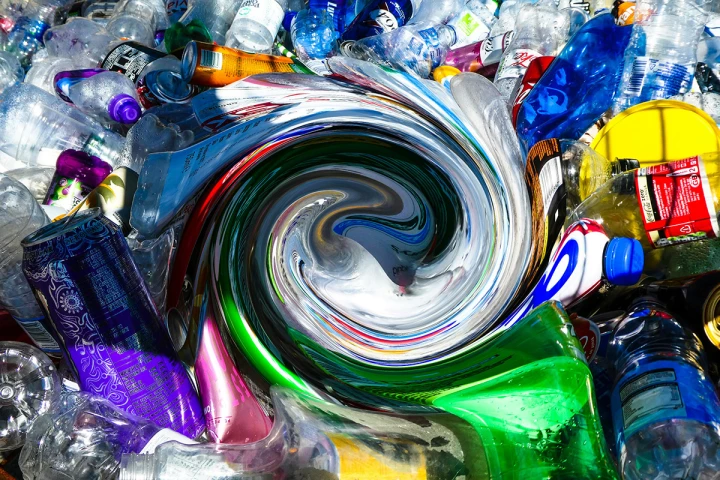 An inexpensive catalyst that selectively breaks down the most common single-use plastics in recycling processes negates the need for tedious and expensive sorting. This could give recycling the nudge it need to keep pace with plastic production.
 -
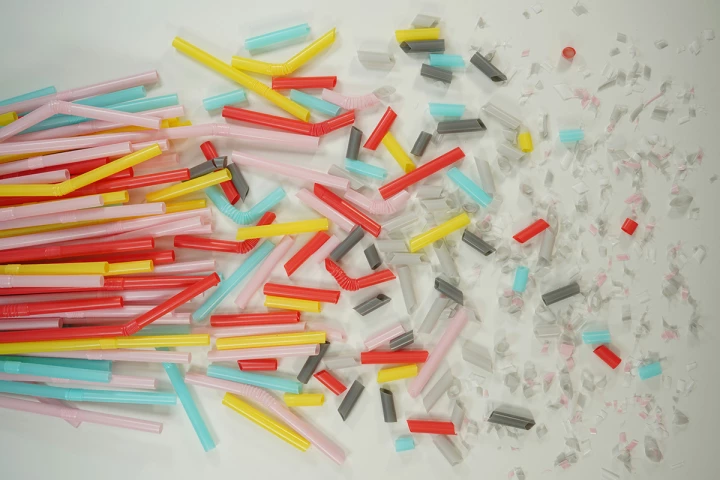 Research out of France has revealed that we're probably harming our lungs without knowing it. Every day, we're inhaling tiny bits of plastic smaller than a speck of dust without even leaving the house – that's 100x more than previously estimated.
 -
 Recycling wind turbine blades is hard because they're built to weather the elements for decades. Researchers have devised a way to use discarded blades to create strong and durable plastics – without resorting to the use of harsh chemicals.
 -
 By now, you've no doubt heard that modern living is filling our bodies with microplastics. But an alarming study now shows just how much of the non-degradable particles are in our brains, and how much higher they are in dementia patients.
 -
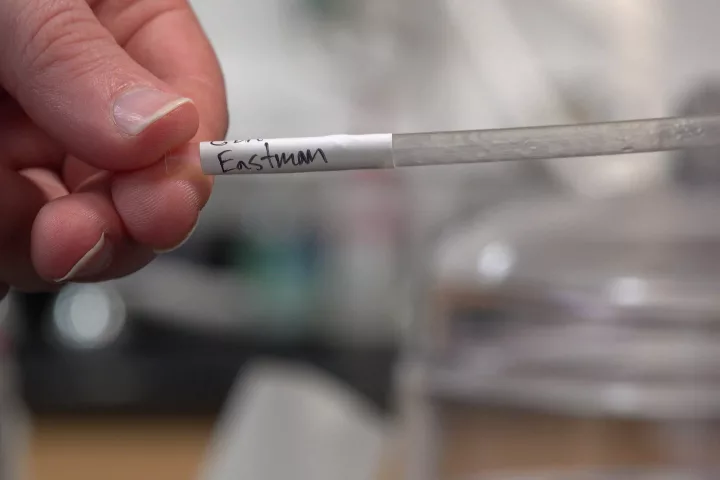 Researchers have spent the last few years trying to find which type of plastic biodegrades the fastest. It turns out that a common plastic we've been using for over 100 years does, and they've learned how to accelerate that process.
 -
 Prenatal exposure to higher levels of bisphenol A, a plastic chemical known to leach into our foods and drinks, has been linked to autism spectrum disorder in boys, according to a new study that also identified the biological mechanism underlying this link.
 -
 Using advanced single-particle imaging technology, researchers have ascertained the number of nanoplastics – plastic fragments smaller than a micrometer – in bottled water, finding that, on average, a liter contains 240,000 detectable fragments.
 -
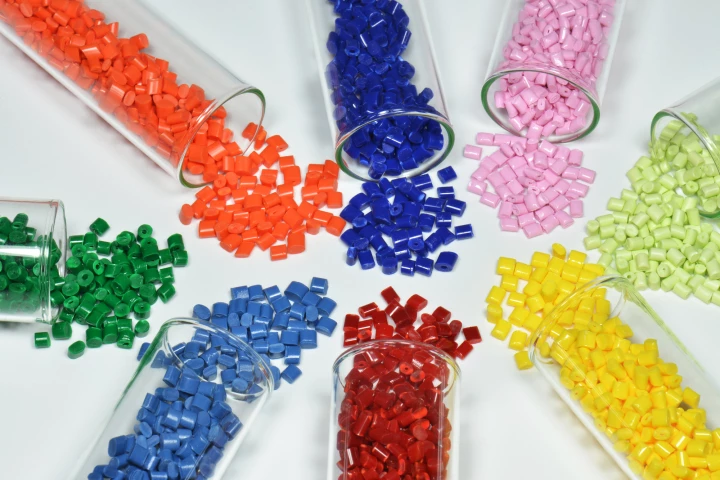 While the use of recycled plastics is normally considered a noble endeavor, a new study says it's time to think twice. In an analysis of the material from more than 10 different countries, hundreds of potentially harmful chemicals were uncovered.
 -
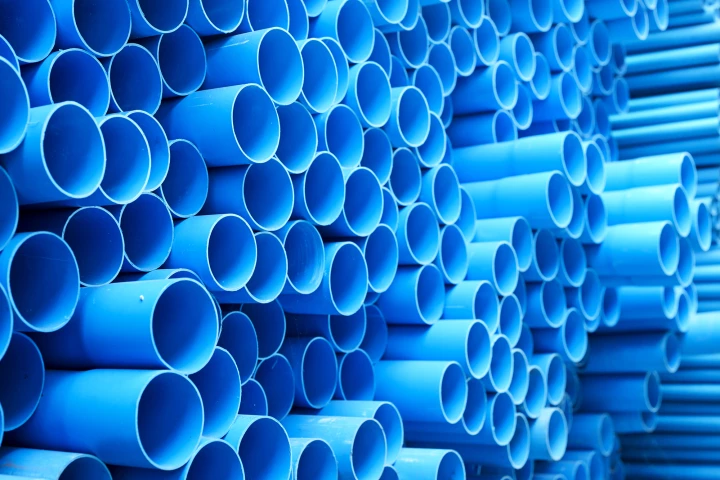 Advances in chemistry continue to bring new materials into the realm of recyclability, and new work from a research team at the University of Michigan has taken aim at one of the most problematic to reuse.
 -
 Scientists at Stanford University have analyzed microplastic concentrations and the foraging habits of whales off the coast of California, and found that blue whales take in an estimated 10 million pieces of plastic each day.
 -
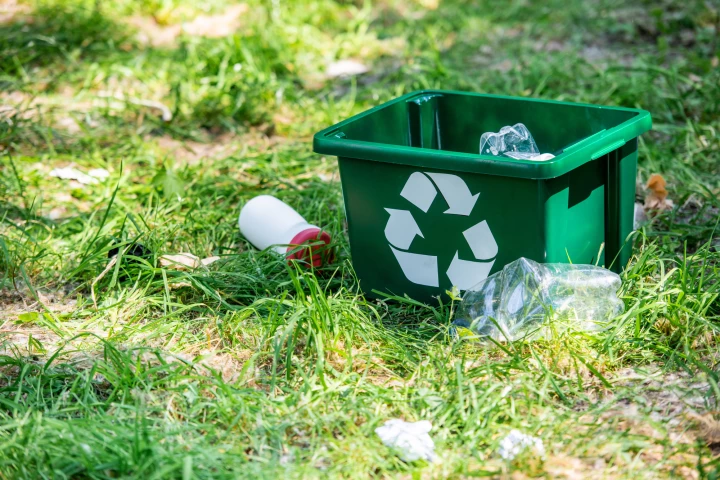 A new report has looked at activity at a broad range of recycling facilities across the US and found that the vast majority of plastic waste generated by households wound up in landfill, with less than 5% actually recycled.
 -
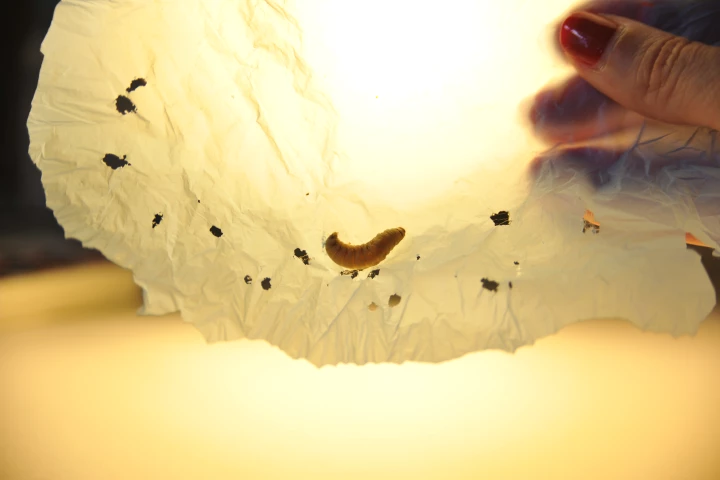 Scientists continue to unearth enzymes that can eat away plastic materials with high efficiency, and a team in Spain has just discovered more in the saliva of wax worms, which have the ability to degrade plastic bags in hours at room temperature.
Load More