
Plastic
-
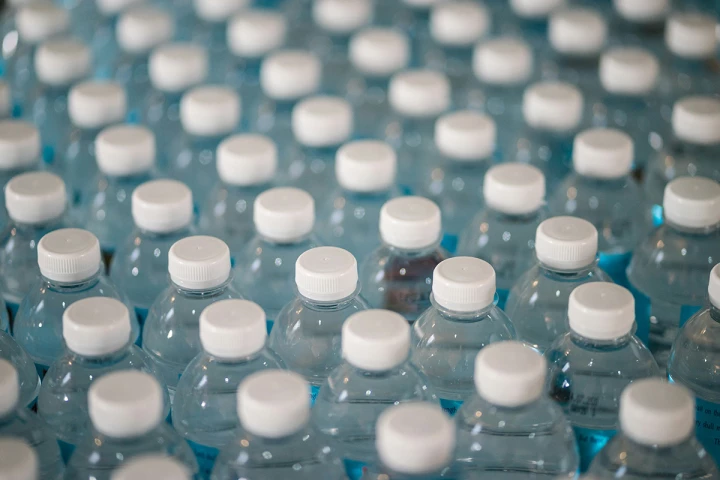 Scientists in China have devised a way to capture carbon dioxide stored in seawater, and convert it into biodegradable plastic precursors. This approach could reduce the acidification effect of CO2 emissions in marine ecosystems, with an added bonus.
 -
 We know microplastic particles are in the soil our food grows from but is it infiltrating our food chain, or just stirring up trouble at the roots? For the first time scientists have demonstrated how plastic could move from soil to food while it grows.
 -
 A new study analyzed beverages like water, soda, wine, and beer to find out how many microplastic particles were in each. The results were a surprise, with a container commonly thought to be safe actually found to carry the highest volume of particles.
 -
 By now, you've no doubt heard that modern living is filling our bodies with microplastics. But an alarming study now shows just how much of the non-degradable particles are in our brains, and how much higher they are in dementia patients.
 -
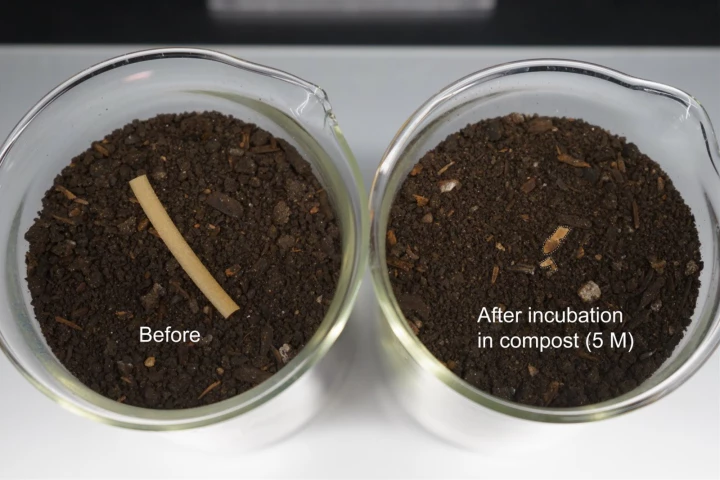 A new biodegradable plastic embedded with spores of plastic-eating bacteria manages to break down 90% of the material after five months in landfill. Weirdly, this actually made the plastic tougher and stronger during use.
 -
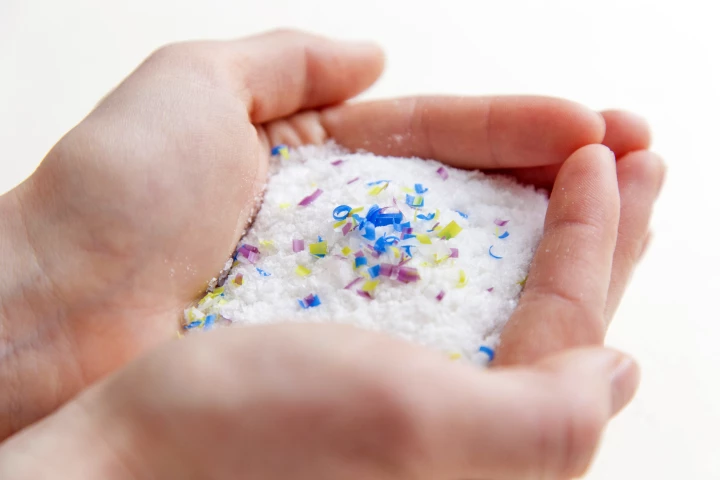 Even when it’s ground into microparticles, 97% of an algae-based plastic biodegrades in compost and water in under seven months, a new study has reported. The researchers hope their plastic will eventually replace existing petroleum-based ones.
 -
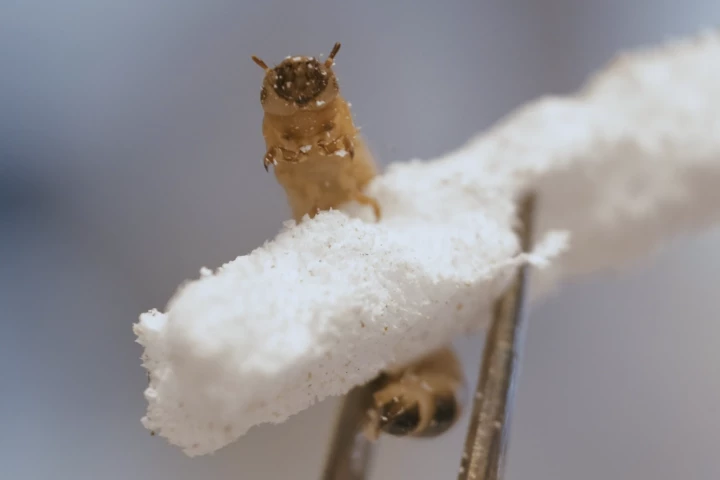 Scientists have created a lab-grown microbiome like the one found in a tiny plastics-munching worm, and it has the potential to efficiently and sustainably biodegrade the world's most common and troublesome plastics – all without the need for the worms.
 -
 Exposure to phthalates, a commonly used chemical in plastics, has been estimated to be the primary cause of one in 10 preterm births, according to a new study led by researchers from the New York University Grossman School of Medicine.
 -
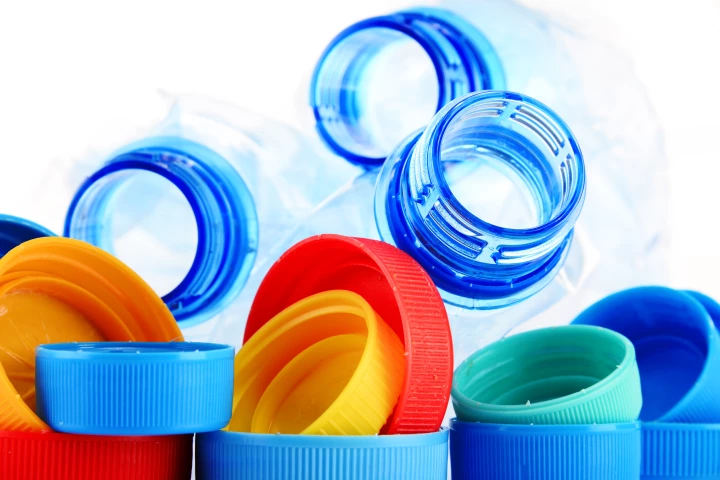 For the first time, scientists have identified a biochemical mechanism linking attention deficit hyperactivity disorder and autism spectrum disorder with common but problematic compound Bisphenol A (BPA), which can leach into food and drink from packaging.
 -
 Researchers have developed a way of recycling polyester. Their new method is simple, non-toxic for humans and the environment and, what’s more, it preserves the integrity of the cotton removed from the fabric so that it’s ready for reuse.
 -
 Scientists have described a new disease called plasticosis, caused by – you guessed it – plastic waste. So far it's only been identified in the digestive tracts of seabirds, but the scale of the problem suggests it could be widespread in other species.
 -
 Greenhouse gases and plastic waste are two of the biggest environmental problems the world faces today. A new reactor from Cambridge tackles both at once, converting CO2 and used plastic bottles into useful materials, powered entirely by sunlight.
Load More