
Plasma
-
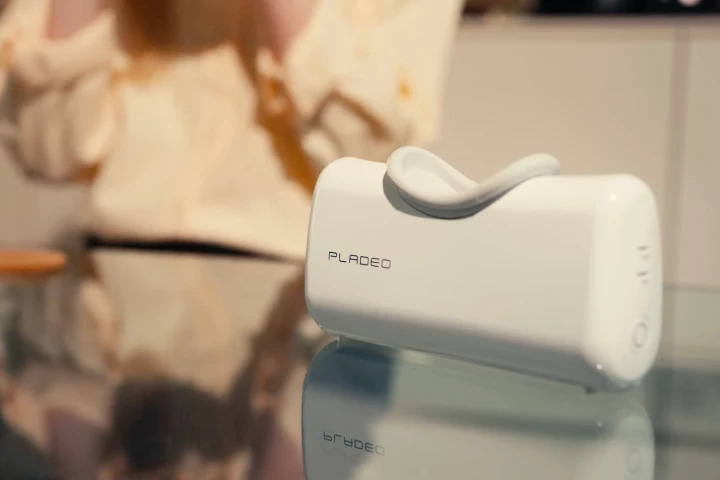 It's not your underarm sweat that stinks, it's the volatile organic compounds (VOCs) produced by bacteria as they break down the fatty acids in that sweat. A new device is claimed to prevent the stink by killing those bacteria with plasma.
 -
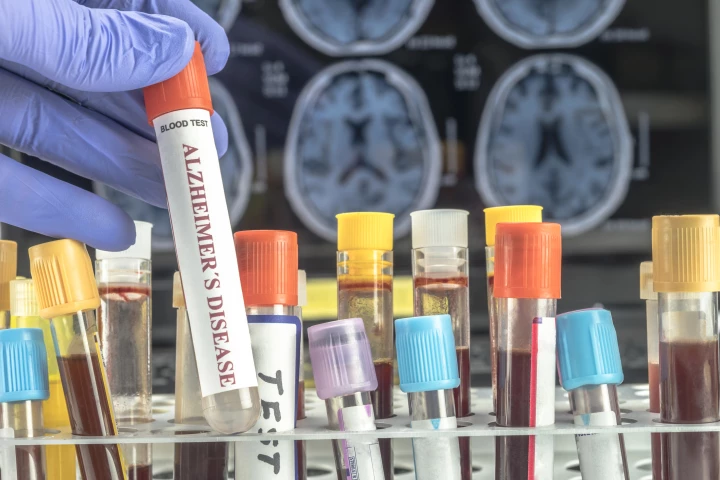 The first blood test for Alzheimer's disease detection has been green-lit by the US Food and Drug Administration, providing a simpler, quicker and less invasive method of diagnosis and speedier intervention. It's a milestone moment for medical science.
 -
 The Michael J. Fox Foundation for Parkinson's Research has partnered with global healthcare company Grifols to identify biomarkers of Parkinson’s disease well in advance of symptoms appearing. The initiative could lead to new diagnostic tools and treatments.
 -
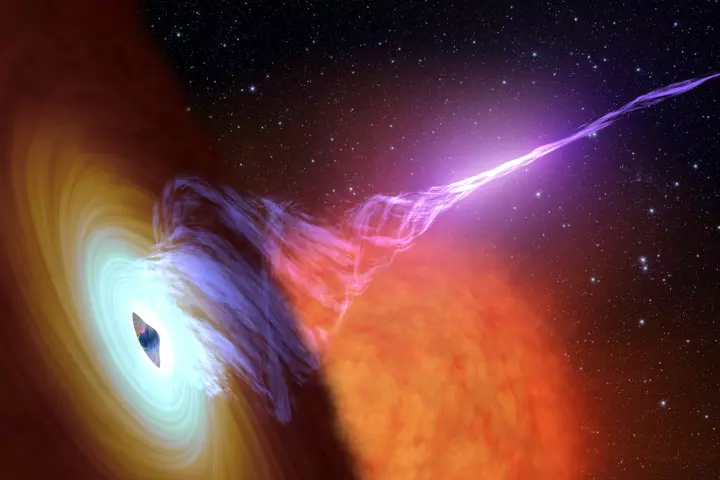 Supermassive black holes have been known to belch gigantic beams of plasma into space – and now scientists have managed to recreate these fireballs in a lab at CERN.
 -
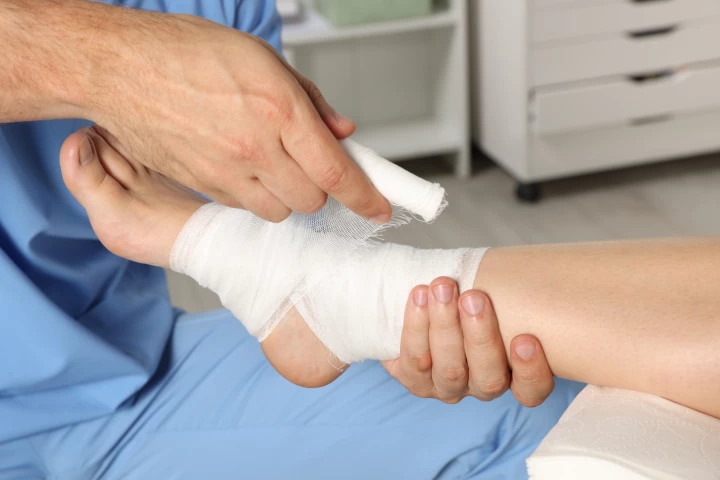 A new type of dressing is shaping up as a way to heal chronic wounds without the need for antibiotics. Using a helium plasma jet to activate hydrogel, researchers have created a highly effective antibacterial cover that can swiftly overpower wounds.
 -
 Researchers have used plasma technology to transform blue-green microalgae into a novel coating that can be applied to dressings and medical devices to protect patients from infection, speed up healing and reduce inflammation.
 -
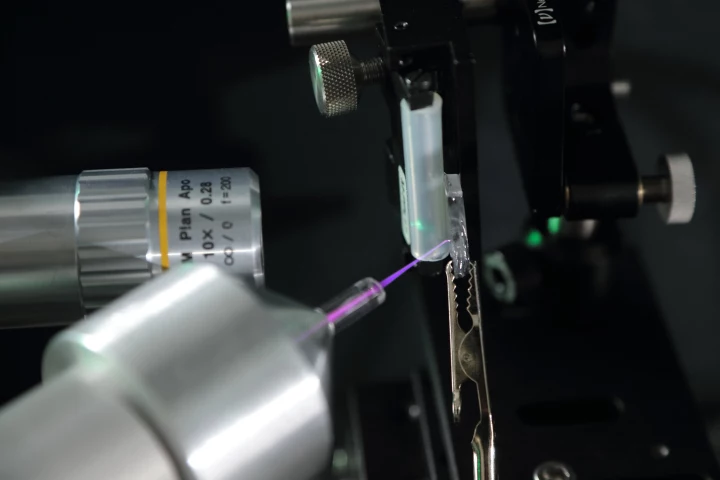 A team of scientists led by University of Virginia professor Patrick Hopkins is developing a plasma "freeze ray" that will be less interesting to super villains than to engineers looking for ways to cool electronics in the vacuum of space.
 -
 Solar wind – charged particles from the Sun – pervades our solar system, but the exact mechanism behind it remains murky. Now ESA’s Solar Orbiter spacecraft has observed previously unknown tiny flares on the Sun’s surface spewing plasma into space.
 -
 A world-first clinical trial has found blood or plasma donations can reduce levels of toxic PFAS chemicals by up to 30 percent. The trial is the first to find an effective intervention that reduces blood levels of substances known as “forever chemicals”.
 -
 Bacterial infections of the middle ear are quite common, particularly in children, yet they can be difficult to treat. An experimental new device has been designed to help, by zapping the bacteria with plasma.
 -
 More than 40 years after launch, Voyager 1 is still making new discoveries. The latest achievement by the craft is the detection of a faint, plasma “hum,” indicating that there may be more activity in interstellar gas than previously thought.
 -
 Scientists have found evidence of a “space hurricane” for the first time. The storm, made up of swirling clouds of plasma, raged in Earth’s upper atmosphere for hours, dumping huge amounts of electrons like rain in a system that resembles a regular hurricane.
Load More