
Physics
-
 In a first, scientists believe they have confirmed we have another sense – a “remote touch” that we share with others in the animal kingdom, like some shorebird species that can sense prey beneath sand without seeing or touching it first.
 -
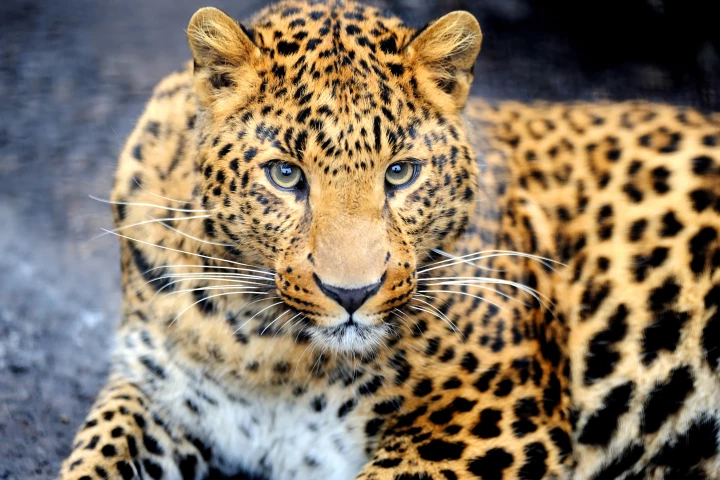 Spots and stripes serve many purposes in nature, but how they form has been more of a mystery. Now, researchers have advanced their breakthrough theory – and it could help us design materials that can respond to the environment and change color on demand.
 -
 Following on from last year's 34th First Annual Ig Nobel Prize, the 35th First Annual Ig Nobel Prize night took place at Boston University this week, celebrating the joy of science: Real research with some delightfully sideways paths of investigation.
 -
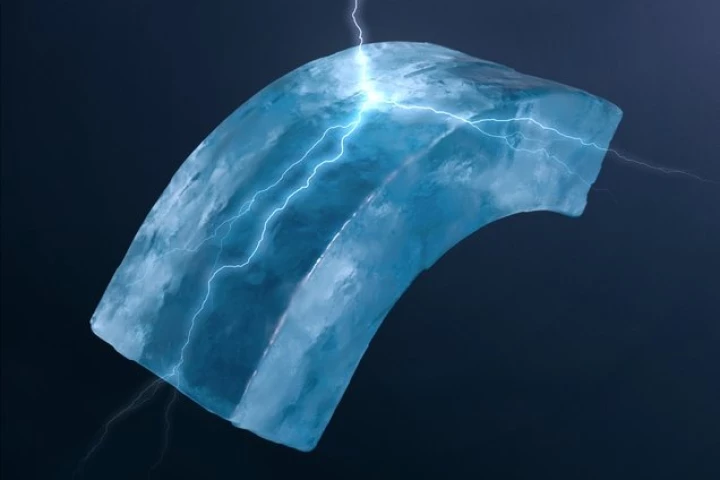 A cool new study with chilly implications from a team led by the Catalan Institute of Nanoscience and Nanotechnology at the Universitat Autònoma de Barcelona (UAB) has shown for the first time that ice can generate electricity in two surprising ways.
 -
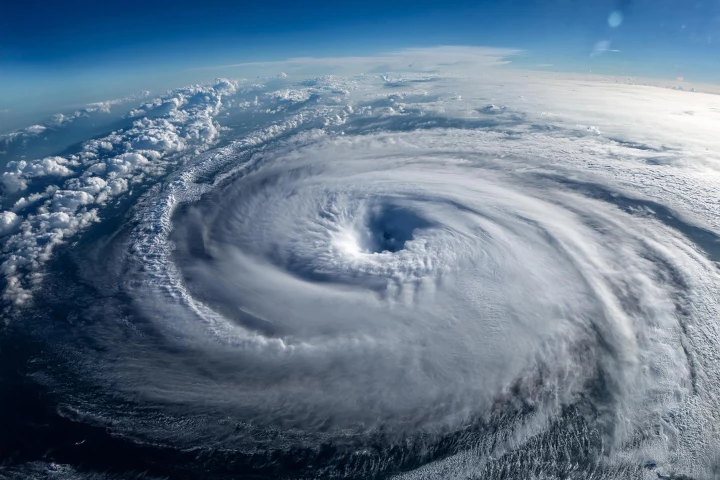 There have been some wildly ambitious schemes to knock the power out of hurricanes over the years. Now, scientists believe they have come up with a way to successfully subdue these destructive storms, long before they have a chance to reach land.
 -
 A platinum fiddle that's just 35 microns in length and 13 microns in width is believed to be the world's smallest violin, measuring just a fraction of a microscopic tardigrade. But before you get too excited, there's one little twist …
 -
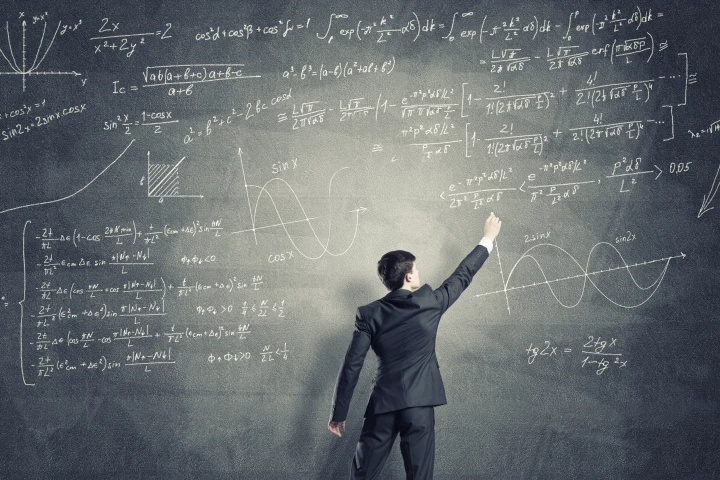 New research details an intriguing new way to solve "unsolvable" algebra problems that go beyond the fourth degree – something that has generally been deemed impossible using traditional methods for two centuries, until now.
 -
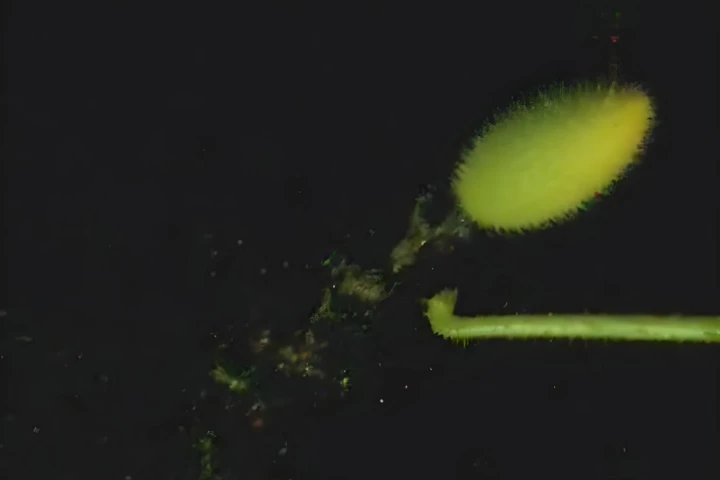 Unlike nearly all flowering plants, which rely on the likes of wind or animals to reproduce, the squirting cucumber instead uses "ballistic seed dispersal," shooting a forceful, watery jet more than 30 feet into the air. And now we know how it does it.
 -
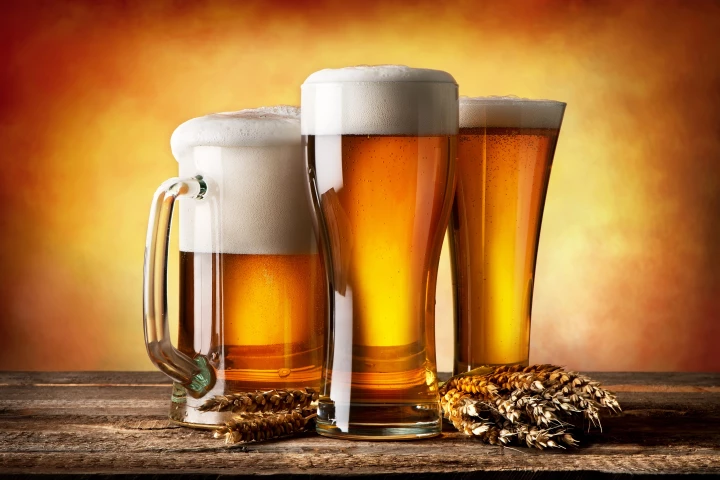 How do you keep a glass of beer cold the longest? With science, of course. That's what one researcher has turned to, finding the optimal shape of drinking vessel that will keep a poured beer chilled for as long as possible while you drink it.
 -
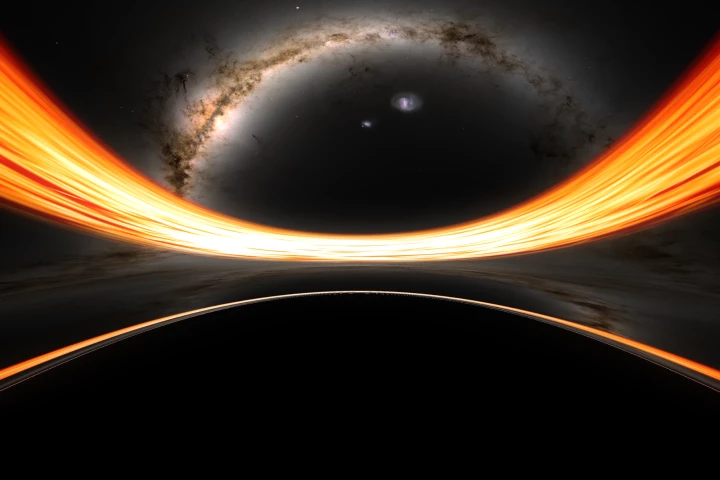 What would it look like to fall into a black hole? It’s a question basically everyone has pondered, and now NASA has finally given us a first-person view of the experience with scientifically-accurate visualizations produced by a supercomputer.
 -
 Astronomers have produced the largest 3D map of the universe, including an interactive VR video. In the process, they’ve uncovered some tantalizing hints that our understanding of physics, including the ultimate fate of the cosmos, could be wrong.
 -
 February 11 marks International Day of Women and Girls in Science. The day celebrates both the work of women across vast scientific disciplines, but also recognizes ongoing gender-based challenges. Here, we pay tribute to 11 stars of STEM today.
Load More