
Organ donation
-
 You may be sitting on – so to speak – a very valuable asset that scientists would love to get their hands on: your poop. As well as blood, plasma and organs, you can now donate fecal samples to stool banks for research and use in transplants.
 -
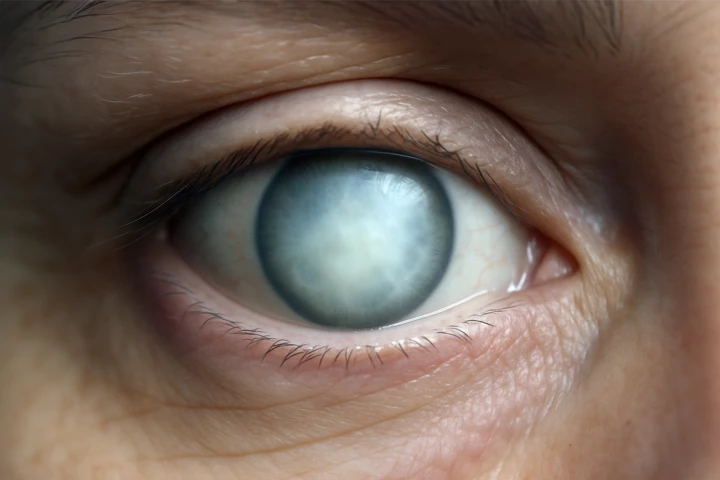 A tiny implant that beams images straight to the retina, bypassing a damaged cornea altogether, could give sight back to millions living with corneal blindness – no donor tissue required. Human trials may be underway in as little as two years.
 -
 A new two-step process that safely rewarms frozen tissues using nanoscale magnetic rods could preserve donor organs long-term. The procedure provides an alternative to current time-limited methods and paves the way for more life-saving transplantations.
 -
 For the first time, the fully mechanical heart made by BiVACOR, which uses the same technology as high-speed rail lines, has been implanted inside a human being. The feat marks a major step in keeping people alive as they wait for heart transplants.
 -
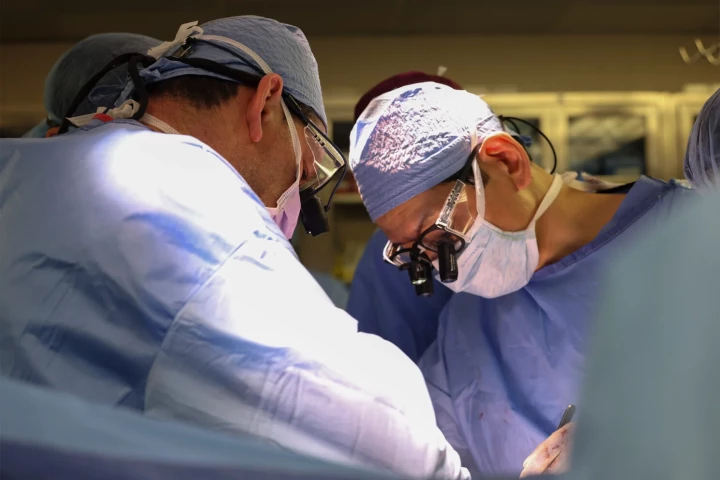 A genetically edited pig kidney has been successfully transplanted into a living patient for the first time. Reports indicate the man is doing well a few weeks on, raising hopes for a wider pool of donated organs in future.
 -
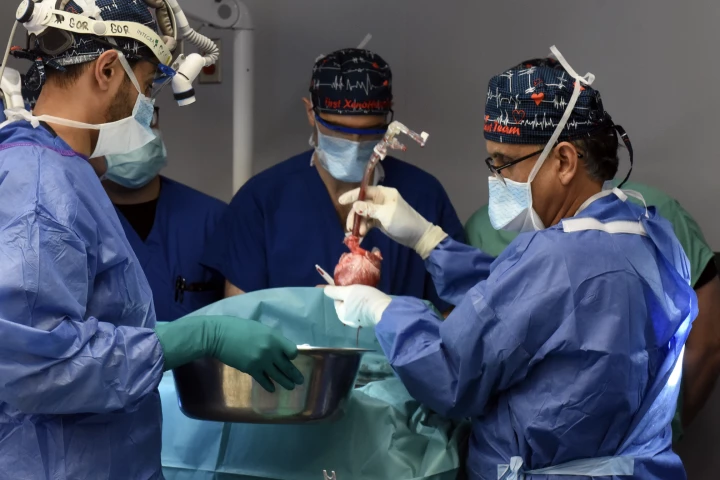 A 58-year-old man with terminal heart disease has become the second patient to receive a pig's heart, in a complicated, high-risk xenotransplant. The first recipient died last year from complications, two months after the landmark world-first surgery.
 -
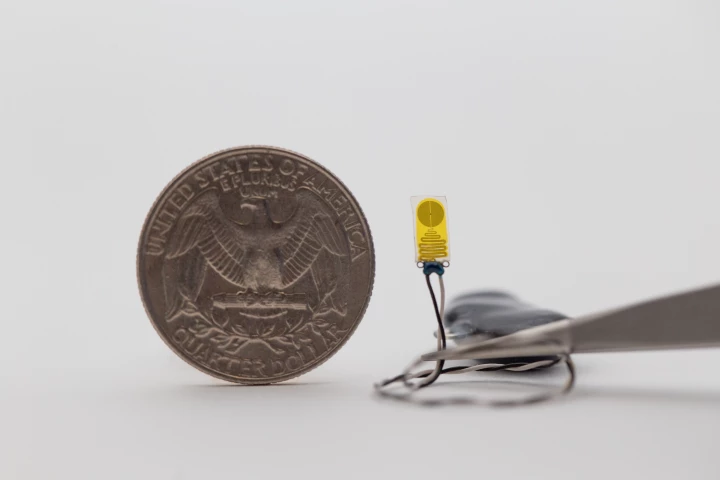 Scientists from Northwestern University have successfully created a device, tested on mice, that can detect warning signs of kidney rejection up to three weeks before current monitoring methods.
 -
 Scientists have performed the first successful transplant of an organ that had been cryogenically frozen and rewarmed. Rats that were given transplants of kidneys preserved through a new technique regained regular organ function within weeks.
 -
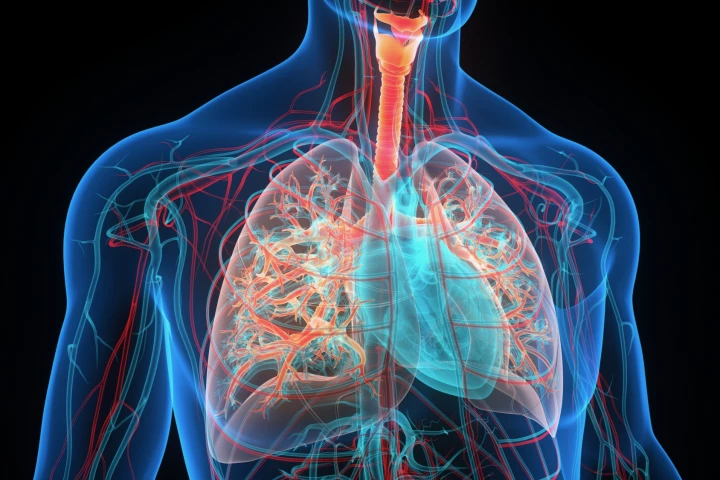 The standard for storing lungs for transplant procedures has been to pack them in ice in coolers and rush them to the surgery site. But researchers have found that a warmer temperature can dramatically improve the time during which they stay viable.
 -
 A new experimental treatment could help treat end-stage liver disease – by growing tiny new livers elsewhere in the patient’s bodies. The technique, pioneered by cell therapy company LyGenesis, is due to begin human clinical trials within weeks.
 -
 Organ transplants can be life-saving, but matching blood types means many people are left on waiting lists. Cambridge scientists have now demonstrated a technique that could one day make donated organs universal, by converting them to blood type O.
 -
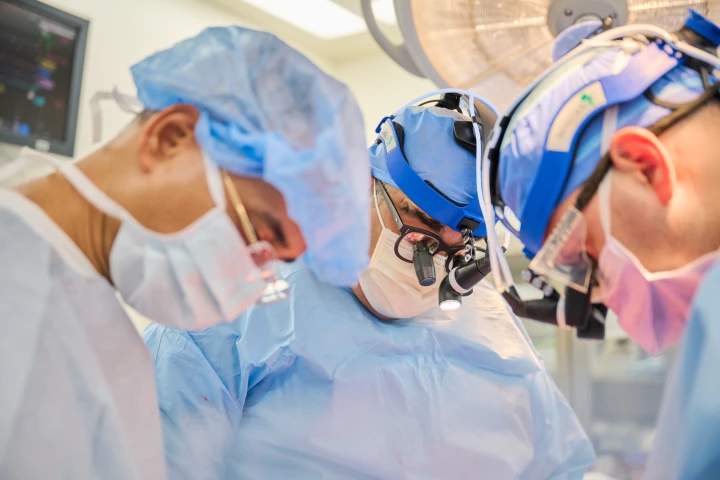 Researchers have announced success from a pair of experimental pig-to-human heart transplant procedures completed on recently deceased human subjects who were kept on mechanical ventilation for three days while the organs were monitored in their bodies.
Load More