
Optical Computing
-
 Photonic CPUs could potentially process information at the speed of light – millions of times faster than standard computers available today. University of Utah engineers have moved that possibility one step closer with the claimed creation of the world's smallest silicon photonics beamsplitter
 -
 Instead of storing a 3D image in a photographic plate, researchers at Purdue University have developed a novel hologram which stores a 3D image in a thin gold film containing thousands of V-shaped nanoantennas, shrinking the hologram and enabling a host of new applications.
 -
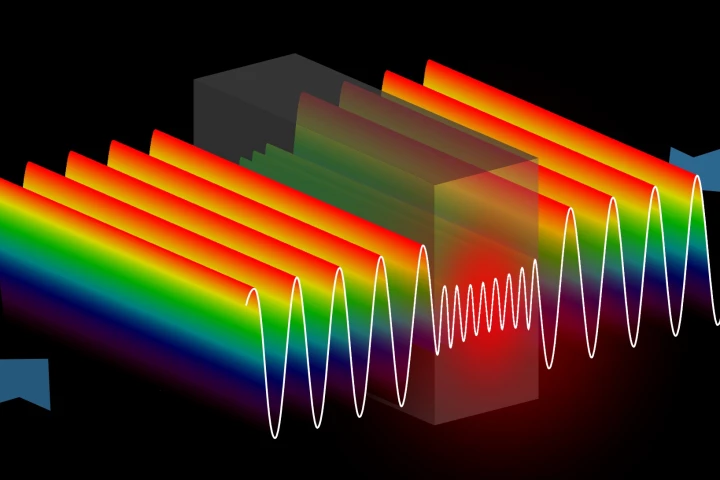 Scientists have demonstrated the world's first anti-laser, that absorbs almost 100 percent of light beams that are shone into it.
 -
 Physicists have discovered a way to use a gallium arsenide nanodevice as a signal processor at “terahertz” speeds that could help end the electron and wires bottleneck for optical communications and computing.