
Odor
-
 For the first time, scientists have found that smell and taste are inseparable much earlier in the brain than we'd thought. Odors can actually be coded as tastes in the primary taste cortex, overturning decades of assumptions as to how flavor is built.
 -
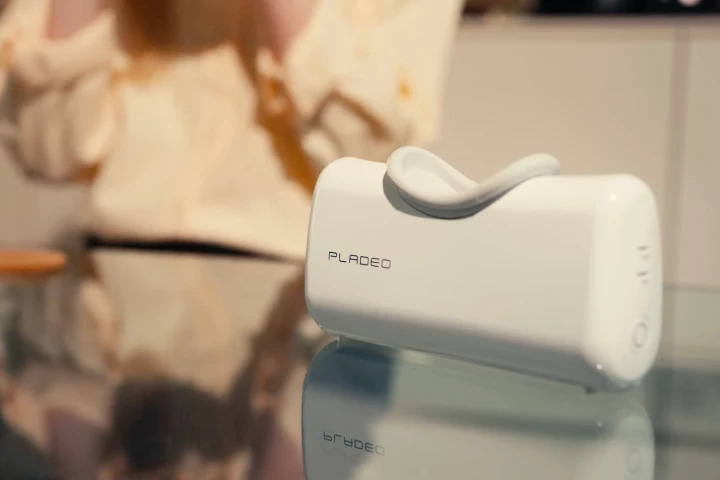 It's not your underarm sweat that stinks, it's the volatile organic compounds (VOCs) produced by bacteria as they break down the fatty acids in that sweat. A new device is claimed to prevent the stink by killing those bacteria with plasma.
 -
 Two dogs in a small study were able to correctly identify what breath smelled like when it was linked to a memory of trauma. The finding might allow dogs to be even better friends when it comes to helping PTSD sufferers cope with their conditions.
 -
 A new study led by researchers in Germany has for the first time compared the chemical composition of body odor between teenagers and infants, homing in on the exact compounds that make babies smell like flowers and teens smell like sweaty goats.
 -
 One thing that will definitely ruin a wine is an unpleasant aroma. Such malodorous wines could soon be saved, however, with a little bit of help from gold nanoparticles.
 -
 Science is quickly catching up to the powerful sniffers on dogs with its own range of artificial noses. Case in point: researchers modified E. coli bacteria to spin electrically conductive nanowires capable of detecting disease-related odor molecules.
 -
 Our ancestors probably didn’t smell good, but did they smell well? A new study has grown odor receptors from Neanderthals and Denisovans, and tested their sensitivities to different smells compared to modern humans.
 -
 While we've heard about a number of "electronic noses," the devices are rarely as sensitive as their natural counterparts. That's why Israeli scientists have taken a new approach, by incorporating a locust antenna into an odor-identifying robot.
 -
 Scientists have studied what makes mosquitoes more attracted to some humans over others, and uncovered strong association between being a so-called mosquito magnet and elevated levels of a fatty acids on the skin.
 -
 Having been domesticated many thousands of years ago, dogs have evolved to become highly attuned to human behavior, but a study from scientists at Queen's University Belfast has taken this concept into new terrain.
 -
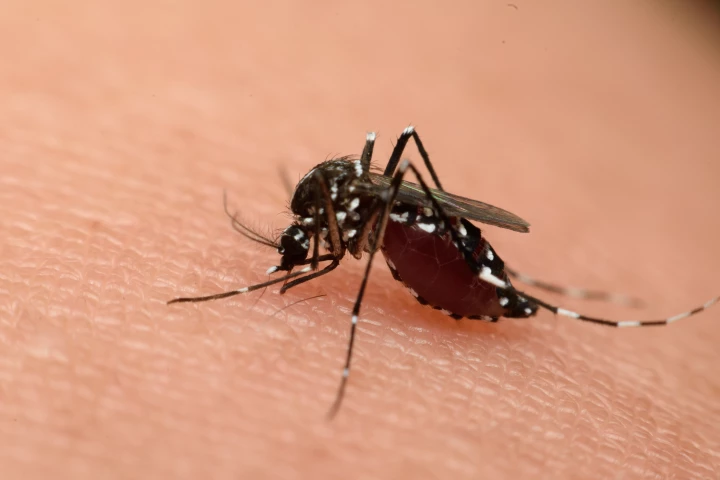 Researchers have discovered how some viruses can alter the smell of their host in order to attract mosquitoes. A study found dengue and Zika viruses can alter a host’s skin microbiome to enhance the volume of odor molecules that draw in mosquitoes.
 -
 A compelling new study suggests we tend to make friends with people who smell the same as us. Across a series of experiments the researchers found volunteers interacted more positively with strangers who shared similar body odor qualities.
Load More