
Ocean plastics
-
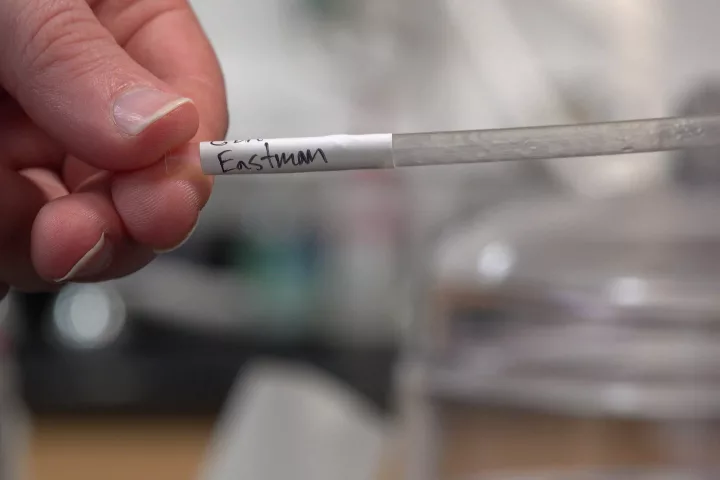 Researchers have spent the last few years trying to find which type of plastic biodegrades the fastest. It turns out that a common plastic we've been using for over 100 years does, and they've learned how to accelerate that process.
 -
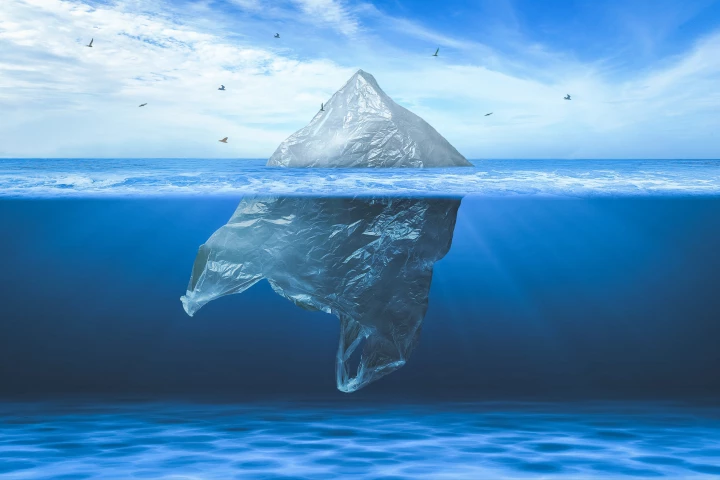 The Ocean Cleanup (TOC) project has announced the timeline and cost it would take to get the Great Pacific Garbage Patch cleaned up once and for all, using existing technology – 10 years and 7.5 billion US dollars. And it could be even cheaper.
 -
 That we have a huge plastic waste problem is clear, but there are numerous efforts to stem the tide while also cleaning up the mess. Nature is also joining the battle, and scientists have now identified a marine fungus at the plastic-devouring front line.
 -
 A study has found that plastic additives might be stopping the reproductive habits of a shrimp-like species that is key to the marine food chain. The findings provide a different perspective on the potential damage caused by specific pollutants.
 -
 The Ocean Cleanup has announced a second Indonesian river trash removal mission. The solar-powered Interceptor 020 will prevent around 1,000 tons of plastic waste flowing into the Java Sea each year from the Cisadane River.
 -
 The amount of single-use plastics the world disposed of during the pandemic continues to be a huge environmental headache. A clever new upcycling method, though, takes the trash and turns it into one increasingly lucrative piece of tech, carbon dots.
 -
 Scientists have described a new disease called plasticosis, caused by – you guessed it – plastic waste. So far it's only been identified in the digestive tracts of seabirds, but the scale of the problem suggests it could be widespread in other species.
 -
 The Ocean Cleanup has a huge task on its hands in ridding the seas of plastic waste, but a new video offers a compelling look at its latest plan of attack, portraying massive trash-collection barriers sweeping through the seas with great efficiency.
 -
 We already know that waterborne plastic particles can enter the bodies of fish, which are then eaten by humans. New research, however, shows that such particles can enter the food chain via another route, by traveling from plants to insects to fish.
 -
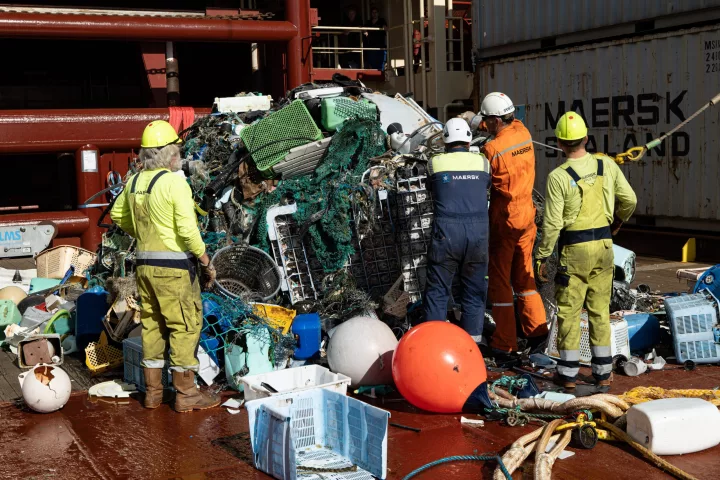 Marine plastic pollution is a big problem, as exemplified by the Great Pacific Garbage Patch. According to a study conducted by the Ocean Cleanup project and Wageningen University, most of the plastic in that patch comes from the fishing industry.
 -
 Back in 2020, Open Ocean Engineering launched an autonomous vessel designed to clear plastic waste from local waterways. After partnering with Razer last year for a radical redesign, a sleeker Clearbot has now started patrolling Hong Kong waters.
 -
 The way plastic moves through the environment is of great concern to scientists, and a first-of-a-kind study has unearthed disconcerting new information on how microplastics can carry pathogens far out to sea and endanger marine life.
Load More