
Nuclear weapons
-
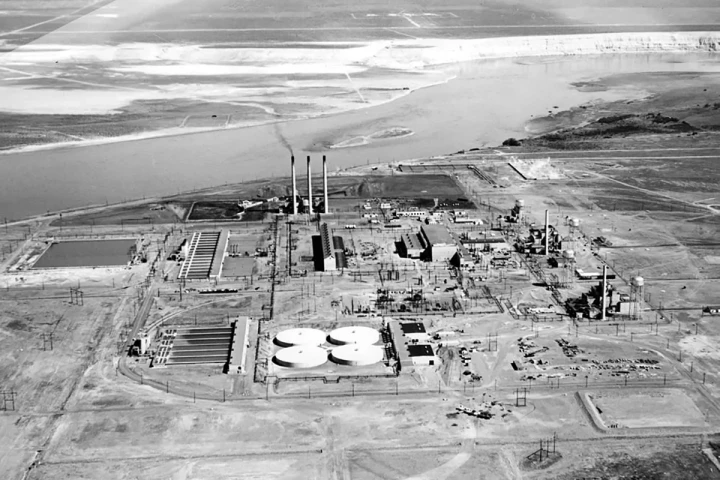 A nuclear production facility in Washington state, called the Hanford site, once forged the plutonium that reshaped the world. Now it’s forging glass; a quiet act of undoing at one of Earth’s most contaminated sites.
 -
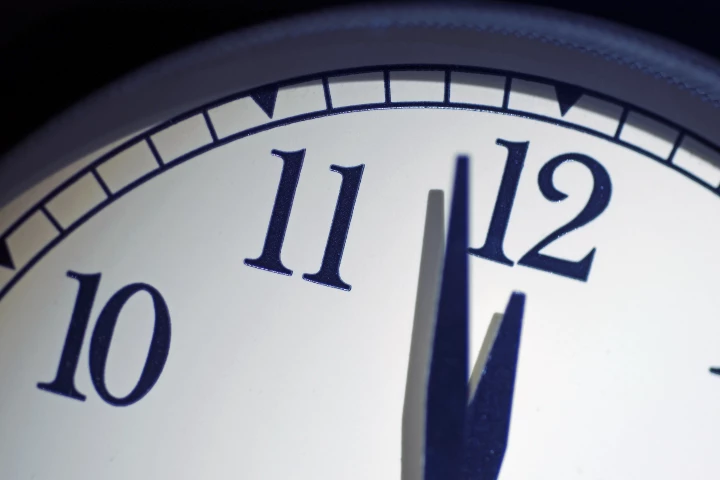 Despite a 2024 so far marked with serious conflicts that threaten to escalate further, climate uncertainty and the rapid ascension of AI technologies, the famous Doomsday Clock has remained paused at 90 seconds to midnight, the same time as last year.
 -
 Wild boar in the woods of Austria and Germany have levels of radioactivity that makes their meat unsuitable for eating. Once thought to be the result of the Chernobyl nuclear accident, new research points to another, darker, source of contamination.
 -
 If a nuclear war were ever to break out, it probably wouldn’t last long. For a few days, perhaps a week, nuclear weapons would be fired between several countries and catastrophic losses would be swift. But what happens next?
 -
 A team of researchers is using state-of-the-art forensic techniques to solve the riddle of the origin of uranium cubes that were used as part of the Nazi effort to develop nuclear weapons during the Second World War.
 -
 Scientists have discovered a strange new form of crystal that was forged in the first nuclear weapons test. Known as a "quasicrystal," the curious creation is made out of desert sand and copper wiring arranged in an extremely rare atomic structure.
 -
 During and after nuclear bomb tests, levels of the radioactive isotope carbon-14 spiked in the atmosphere and in our bodies. Now, researchers have used that to carbon date our immune cells, helping solve a mystery about how our immune systems age.
 -
 Tiny glassy particles that litter the beaches near Hiroshima in Japan are likely the resolidified remains of the city destroyed by a US atomic bomb on the morning of August 6, 1945, according to the results of a newly published study.
 -
 The US government has just released 62 newly declassified videos showing footage of atmospheric nuclear tests from the first half of the 20th century. The videos, never before seen by the general public, have been uploaded to YouTube.
 -
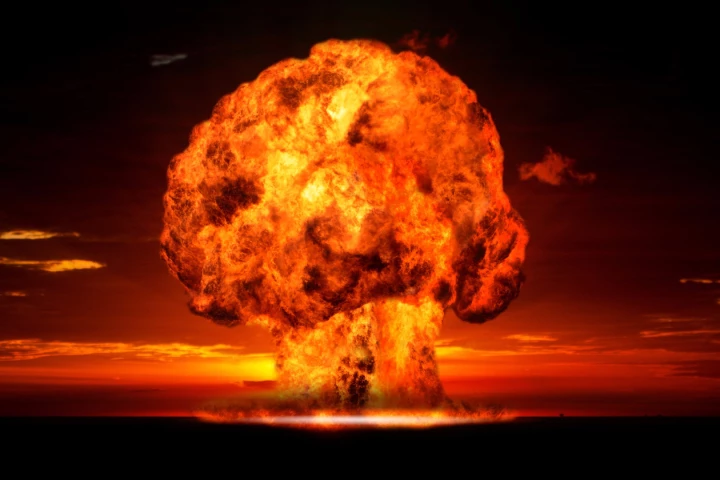 Many predictions examining the consequences of a nuclear strike focus on either the immediate fatalities or the radioactive aftermath. A team has taken a broader look at what effect the detonation of a nuclear weapon would be on global climate patterns and the conclusions are a little frightening.
 -
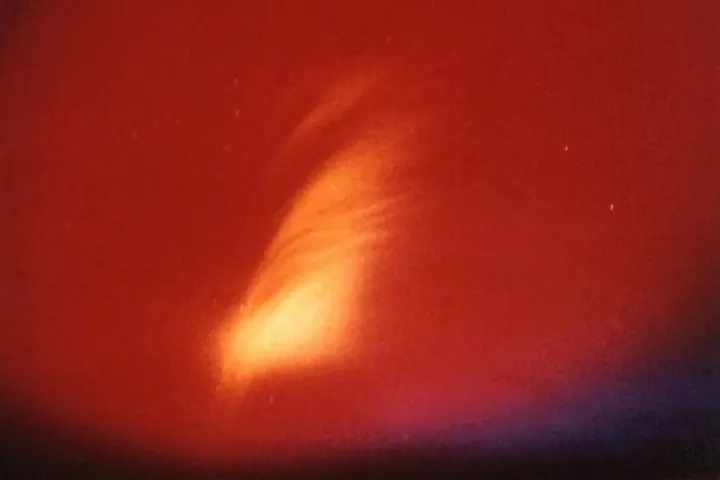 A NASA study using recently declassified US government data has shown how high-altitude nuclear tests altered the weather – not on Earth, but in space. According to the space agency, the explosions changed the planet's magnetic field and even produced artificial aurorae near the equator.
 -
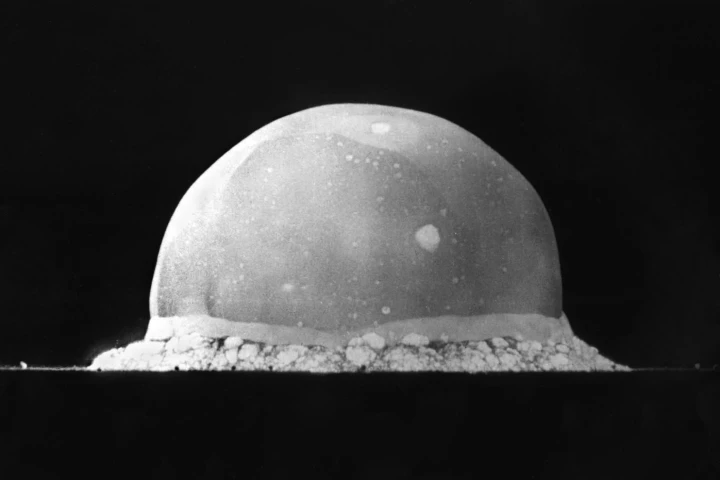 How did the Moon form 4.5 billion years ago, and why is it so different from the Earth? According to the Scripps Institution of Oceanography, part of the answer can be found in a mineral created by the first nuclear bomb test in 1945.
Load More