
Nuclear
-
 Researchers at Hiroshima University in Japan have developed a way to leverage the cameras on smartphones to provide accurate radiation readings. The system they created costs less than $70 and could be a big help in disaster situations.
 -
 Two billion years before we made history and split the atom, the Earth had already accomplished it and was running its own nuclear reactors. And they operated for hundreds of thousands of years, as the first signs of multicellular life emerged.
 -
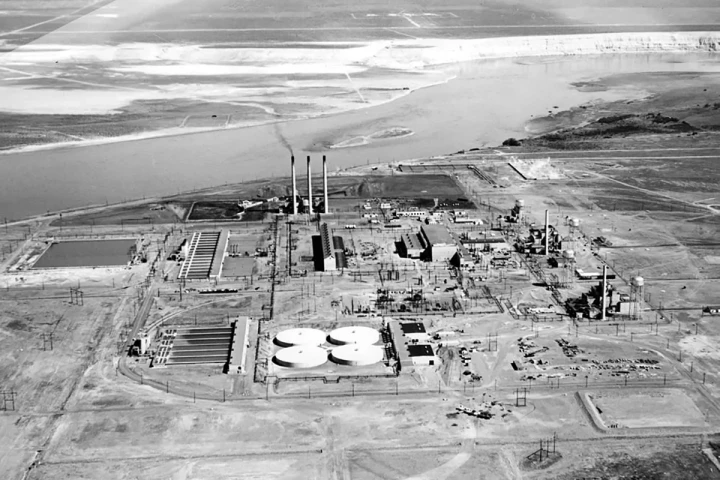 A nuclear production facility in Washington state, called the Hanford site, once forged the plutonium that reshaped the world. Now it’s forging glass; a quiet act of undoing at one of Earth’s most contaminated sites.
 -
 Inside the Exclusion Zone surrounding the Chornobyl nuclear plant, thousands of animals now roam freely. Among them are the stray dogs – around 900 descendants of the pets left behind, living in the shadow of the world’s worst nuclear disaster.
 -
 For all our telescopes and colliders, dark matter has remained an elusive ghost for the better part of a century. Now, a team has turned to a nuclear clock with the hope of revealing the faint fingerprints of this hidden matter.
 -
 The dream of the ancient alchemists may come true as Marathon Fusion announces that its tokamak fusion reactor technology can turn common mercury into gold as a byproduct of fusion operations in quantities that would make Auric Goldfinger blush.
 -
 A pair of extraordinary space missions that have been headed out of the solar system for almost half a century are getting a new lease on life as NASA engineers order the Voyager 1 and 2 deep-space probes to shut down two instruments to save power.
 -
 Nuclear waste. We've all heard about it but what exactly is it and why is it so important? How big is the problem and is it a problem without a solution? New Atlas takes a look at the basics.
 -
 Atomic clocks are our most accurate timekeepers, losing only seconds across billions of years. But nuclear clocks could steal their thunder, speeding up GPS and the internet. Now, scientists have built and tested the first prototype nuclear clock.
 -
 Studying a species of microscopic worms exposed to high radiation from the 1986 Chernobyl disaster, researchers couldn’t find signs of genetic damage caused by the exposure. The findings are set to forge a path towards a better understanding of cancer.
 -
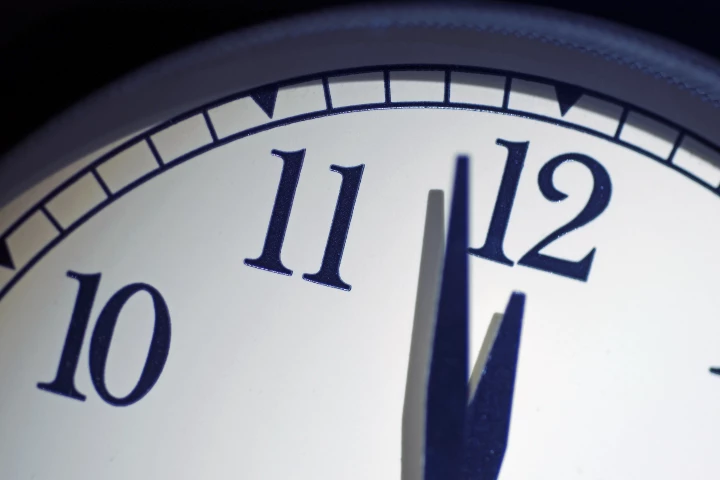 Despite a 2024 so far marked with serious conflicts that threaten to escalate further, climate uncertainty and the rapid ascension of AI technologies, the famous Doomsday Clock has remained paused at 90 seconds to midnight, the same time as last year.
 -
 A team of scientists from China's Northeast Normal University has developed an electrochemical method for extracting uranium from ordinary seawater that has the potential to supply humanity with an effectively unlimited energy source.
Load More