
Norwegian University of Science and Technology
-
 Speaking a language with different words for different color shades means the brain perceives those shades quicker than using a language with only one word for that color, highlighting the interaction between language and perception according to a new study.
 -
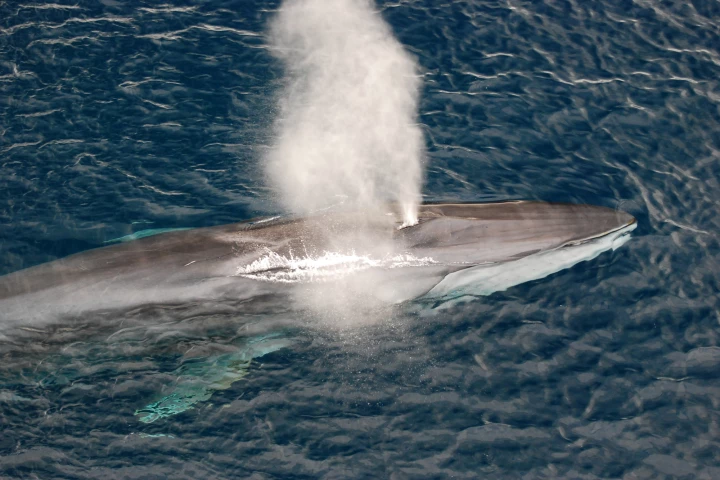 Global warming has caused many large whales to move from warmer waters, increasing the risk of being struck by ships. Researchers have used existing fiber-optic cables to track fin whales in real time, which may reduce the incidence of ship strikes.
 -
 Scientists at the Norwegian University of Science and Technology have found that chemicals in plastic could be helping drive rising rates of obesity around the world, by entering the human body and interfering with our metabolism.
 -
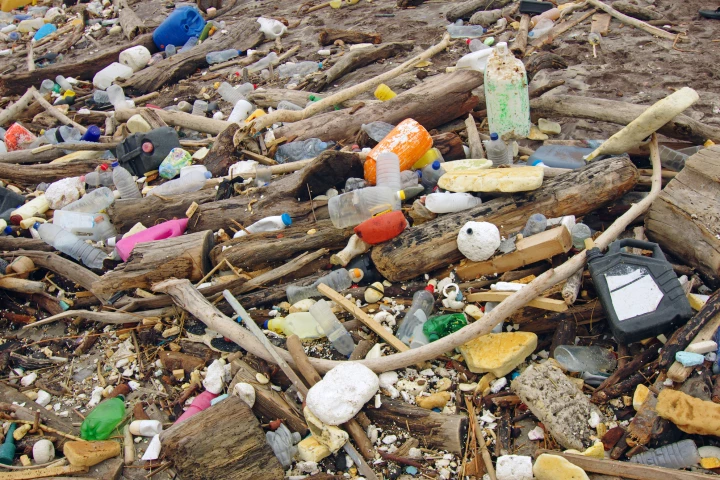 When you see plastic trash washed up on the shore, don't you wish there was something you could do? Besides just picking it up, that is? Well, a new app may soon be able to determine where that garbage came from, so action can be taken.
 -
 In order to minimize the amount of greenhouse gases entering the atmosphere, scientists have studied materials that could be used to capture excess CO2. Unfortunately, not all of them are cheap or easy to produce. That said, researchers now believe that humble clay could do the job just fine.
 -
 To make solar energy more competitive, researchers from Norway have developed a method to bring down the amount of silicon used in solar cells by as much as 90 percent. The price of silicon is a major driver in the cost of solar panels.
 -
 Kelp is an attractive biofuel feedstock, in that it's abundant and grows extremely quickly, although its fuel yields haven't been particularly impressive. That could be about to change, however, thanks to a newly-developed process.
 -
 Research from NTNU is attempting to recognize human speech more accurately by detecting how we use our vocal tract to produce sound.