
Northeastern University
-
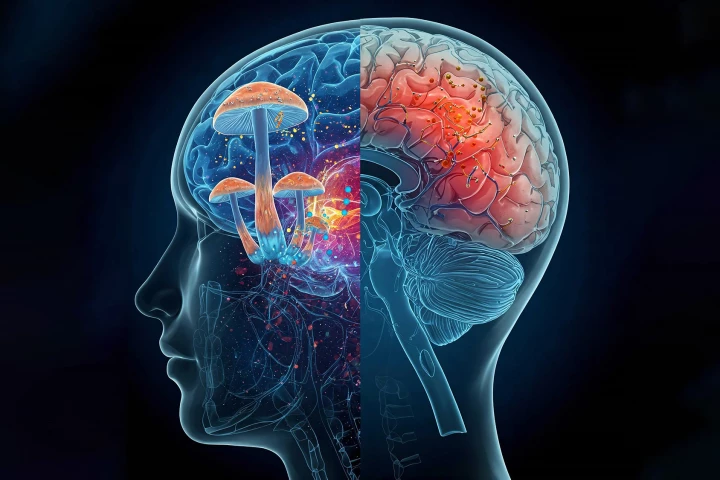 A new study has found that psilocybin, the psychedelic ingredient in magic mushrooms, could be an effective treatment for repeated mild concussions because of its brain-healing properties. It could be the first medical treatment for the condition.
 -
 A pigment molecule in cephalopod skin has had its antioxidant and sun-protection properties harnessed, inspiring the first ultra-protective, skin-restorative and environmentally safe sunscreen of its kind. And it could revolutionize the skincare world.
 -
 Although you may know when you need to pee, such is not the case with everyone. A new implantable sensor is designed to help those other folks, by sending a smartphone alert when their bladder is full.
 -
 Sometime this year, the night sky will get a brand new 'star' that will be visible with the naked eye, even in the city. The celestial light show will be the result of an explosive interaction between two neighboring stars that occurs every 80 years.
 -
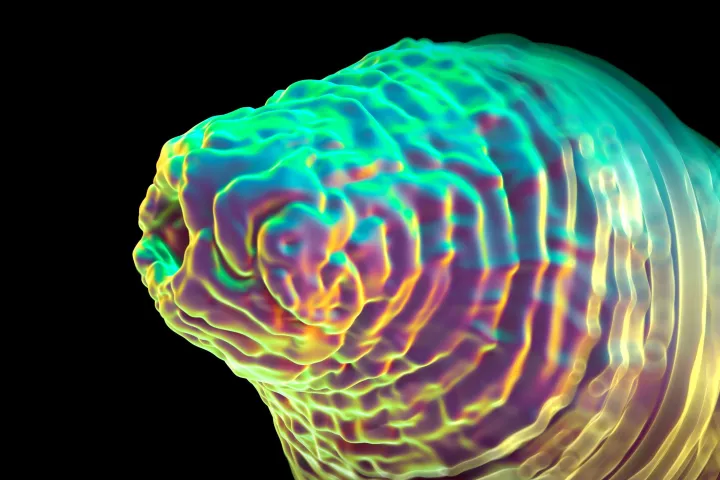 Delivering electric shocks to 1mm-long roundworms may sound rather meanspirited, but scientists have used this stimuli to uncover some curious behaviors of C. elegans that could further our understanding of human emotional mechanisms.
 -
 Researchers have derived an antibiotic from microbes living in the sandy soil of North Carolina. Because it works completely differently than others before it, clovibactin might help turn the tide in the battle against today's nastiest superbugs.
 -
 A fascinating new study has offered novel insights into what happens in your brain when you rock out to your favorite songs. And the findings raise some intriguing possibilities for unique dementia treatments in the future.
 -
 Scientists at Northeastern University have put an interesting new solution forward in the realm of UV monitoring – one that came about through a serendipitous discovery concerning the color-changing ways of camouflaging squid.
 -
 After developing a system that could detect 17 different contaminants in a drop of water, researchers have now added "molecular brains" to that setup so the hand-held device not only confirms contamination but also indicates concentration levels.
 -
 Researchers at Northeastern University have discovered a new antibiotic called darobactin, hiding in the gut of a tiny, soil-dwelling, parasitic worm. Tests on mice have so far proved promising against gram-negative bacteria.
 -
 A new monitoring device can predict autism outbursts up to a minute in advance, creating a new window of opportunity to prepare ahead of time.
 -
 Advanced surgical glues that seal wounds faster could mean big things when it comes to medical care. A new material is showing particular promise in this regard, with the ability to be squirted directly into a wound, seal it in 60 seconds and dissolve thereafter.
Load More