
North Carolina State University
-
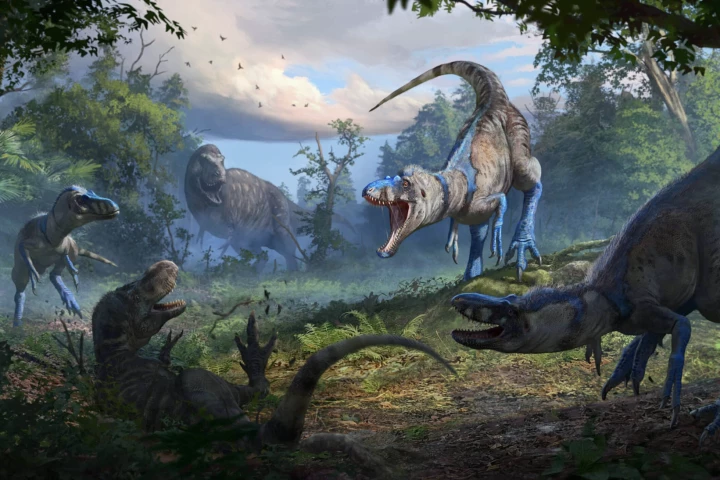 More than 60 million years on from its final day on Earth, there's a dinosaur we owe an apology. Paleontologists confirm that the Tyrannosaurus rex locked in combat with a Triceratops in the famous Dueling Dinosaurs specimen is not a T. rex after all.
 -
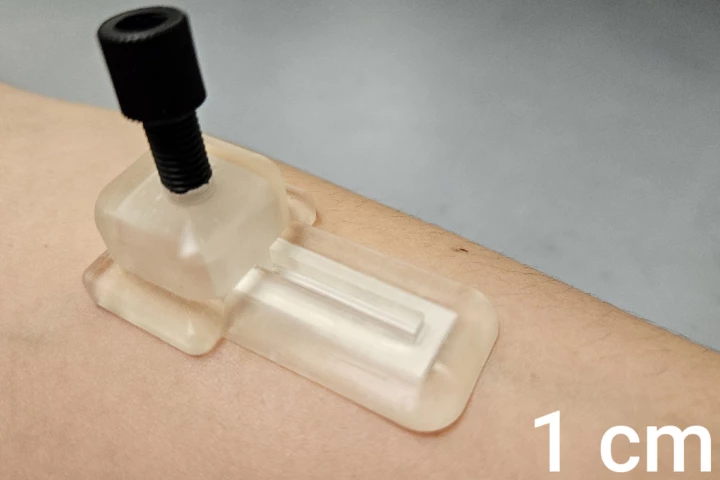 Nobody likes having blood samples taken, which is why it's always good to hear about possible alternatives. One of the latest takes the form of a self-powered skin patch that painlessly gathers biomarker chemicals for up to 24 hours at a time.
 -
 In a recent experiment that sounds more sci-fi than science class, researchers have demonstrated a novel vaccine platform that uses ordinary dental floss embedded with tiny, dissolvable microneedles showing how everyday materials can be reimagined.
 -
 Not all probiotics are created equal. A new study found that one commonly available strain made a gut infection worse, while another helped stop it in its tracks, thanks to a powerful natural antibiotic and an unexpected ally from the gut’s own ranks.
 -
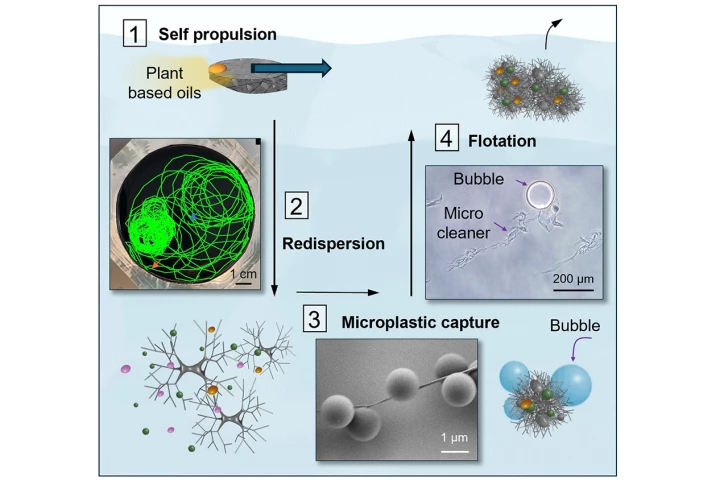 Wouldn't it be great if there were a way of chasing down waterborne microplastic particles and catching them for removal, as opposed to just passively filtering them out of water bodies? Well, new "microcleaners" can reportedly do that very thing.
 -
 Despite what you might say when drunk, you’re not the best backflipper in the world. That honor belongs to a tiny little bug called a globular springtail, whose superfast backflips have now been caught on slow-motion camera for the first time.
 -
 For some time now, scientists have known that electrical stimulation speeds the healing of chronic wounds. A thin, flexible, inexpensive new bandage delivers that healing current right to the wound site, and it's activated simply by adding water.
 -
 If you're comfortable with the present green, amber, and red traffic lights, be prepared to get uncomfortable. New research suggests that adding a white light will speed up traffic and improve safety for both cars and pedestrians.
 -
 Scientists have uncovered hints of a world of new elements beyond the periodic table. A new study has found that ancient stars may have been producing extremely heavy elements that remain unknown to science.
 -
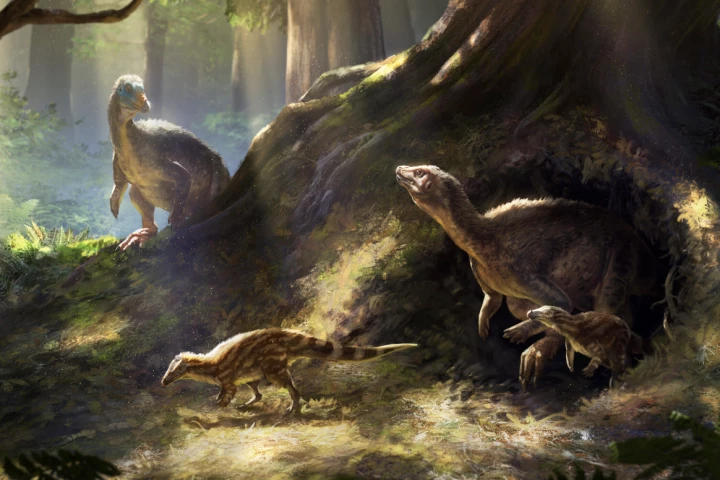 It's been called plain and boring, but this Thescelosaurus species has now had its sad reputation upended, thanks to fascinating sensory discoveries that suggest it lived a unique, successful life underground, beneath the feet of its fearsome predators.
 -
 Conventional breeding of trees takes time, but CRISPR gene editing should help speed things up. Now, scientists at North Carolina State University have used CRISPR to adjust the genomes of poplar trees to make them easier to turn into paper products.
 -
 A new study has found that consuming a widely available artificial sweetener produces a chemical that is damaging to DNA. The findings raise concerns about whether the sweetener is a contributing factor to a number of health problems.
Load More