
Newcastle University
-
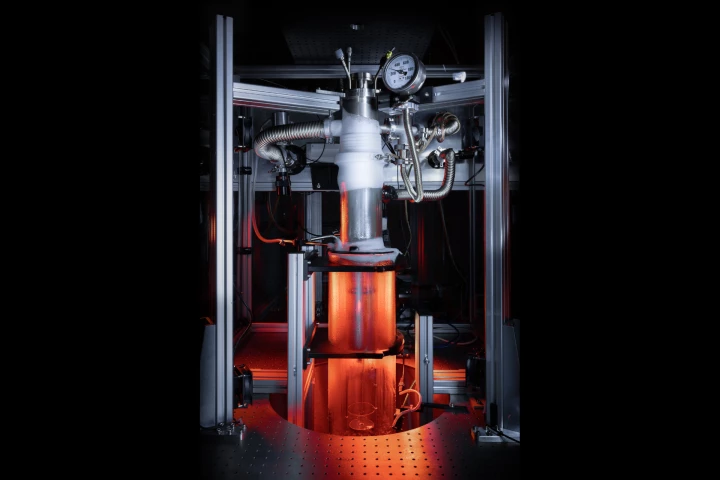 A giant quantum vortex has been created in superfluid helium in a lab at the University of Nottingham. Its behavior was found to mimic that of black holes and may help astrophysicists gain deeper insight into these galactic gravity gobblers.
 -
 Researchers have developed particles called dendrimers that are covered in tiny tentacles, arranged in patterns too small for the immune system to detect. These could be handy for delivering drugs or camouflaging implants to prevent rejection.
 -
 We're on the brink of a sixth major extinction event, largely thanks to human activity and climate change. The least we could do is try to prevent some of them, and now a study has quantified how many species we may have saved in the last few decades.
 -
 Bronze Age swords make for impressive museum displays, but how were they used? To find the answer, scientists teamed up with history enthusiasts to combine laboratory studies with staged experimental fights using replica weapons.
 -
 It turns out that there still are new things under the sun – or in this case, under the water. Scientists have recently discovered not one but two previously-unknown species of the six-gill sawshark, which is itself rarely seen.
 -
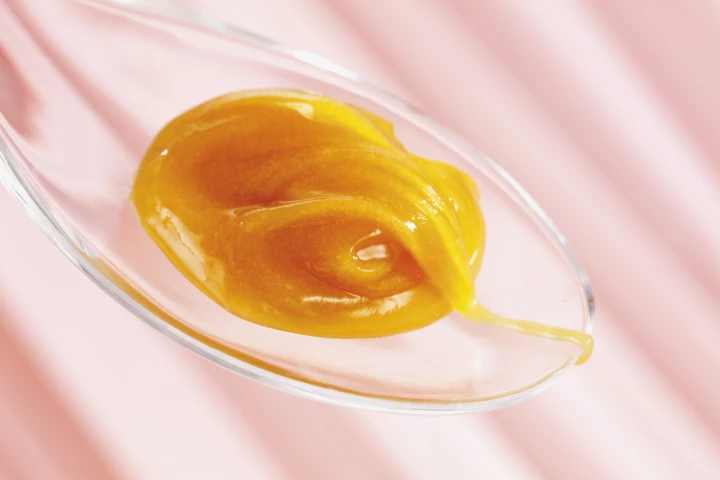 Since ancient times, honey has been used to boost the healing of wounds. In a 21st Century twist, it has now also been incorporated into a surgical mesh coating that could help prevent post-operative infections.
 -
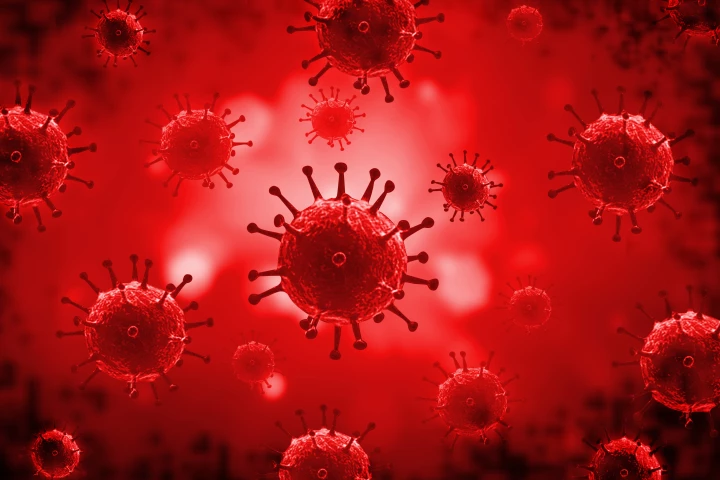 For the first time, scientists in Australia have observed bacteria shedding their protective shells and changing shape to escape detection by antibiotics.
 -
 According to a recent study by Newcastle University, if you want to build a replica of Stonehenge, get some lard. By studying neolithic pottery from a site near the ancient stone circle, archaeologists suggest that pig fat was used as a lubricant to help move the gigantic megaliths.
 -
 A new exploration to the Atacama Trench off South America’s west coast has shed new light on one of the Earth’s deepest places, including video evidence of what appears to be three brand new species of marine life.
 -
 There's a limited supply of donor human corneas, meaning that not everyone who needs an eyesight-saving transplant can get one. As a result, biosynthetic corneas have recently been developed. These could become quicker and easier to produce, as scientists have successfully 3D-printed the things.
 -
 By putting tiny 3D glasses on the bugs, researchers at Newcastle University have found that praying mantises possess a unique, previously unknown type of 3D vision that's based on movement.
 -
 It's not at all uncommon for autistic children to have phobias. Unfortunately, these fears can sometimes be so severe that the children have to completely avoid commonly-experienced situations. A new immersive reality treatment, however, is showing great promise in addressing the problem.
Load More