
Network
-
 Implants and tiny machines could eventually help treat disease or monitor activity, but communication is tricky. Now scientists at EPFL have developed a system whereby devices can communicate by releasing molecules into a patient’s bloodstream.
 -
 Analyzing the functional connectivity of different brain networks, researchers found that Alzheimer’s disease disrupts areas of the brain beyond those relating to memory and produces changes distinct from those seen in healthy aging.
 -
 A quantum internet could one day allow quantum computers to team up and tackle some gigantic problems. Researchers at Toshiba are a step closer, demonstrating quantum communications sent over a record-breaking 600 km (373 miles) of optic fiber.
 -
 In a quantum network, information is passed instantly between nodes that have been entangled, and are unhackable since any unauthorized observation of the data will scramble it. Delft scientists have now overcome a hurdle to that technology, by generating quantum links faster than they deteriorate.
 -
 Fruit fly are being used as inspiration for reshaping how computer networks communicate.
 -
 Yale scientists have figured out why our brains don't crash like computers.
 -
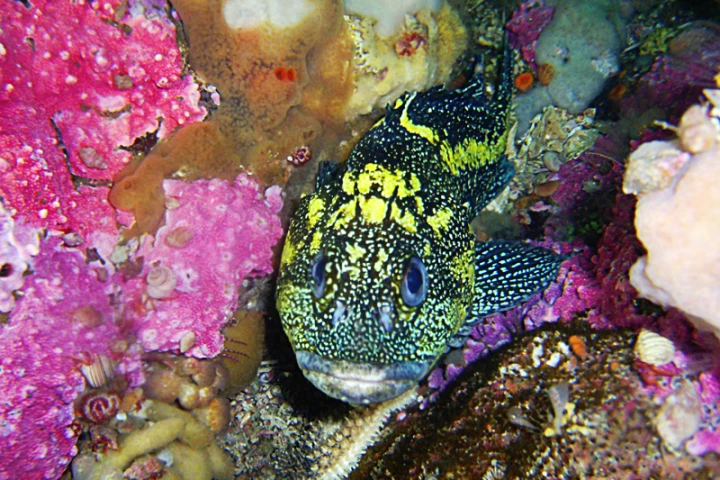 NEPTUNE Canada, the world's largest cabled seafloor observatory, is now available to anyone via the Internet.
 -
 HealthMap.org is a freely available Web site that aggregates, categorizes, filters and displays real-time information on emerging infectious diseases – in tracking the current H1N1 swine flu outbreak.