
Navigation
-
 NASA and partners are developing backpack-sized technology for future Moon explorers that will allow them to map and navigate the lunar surface in the darkness of the high polar regions to within a centimeter without GPS.
 -
 ESA plans to use its upcoming Lunar Pathfinder mission to experiment with expanding sat nav coverage to the Moon. By tuning in to the Galileo and GPS satellite constellations, the goal is to provide more precise fixes for spacecraft in lunar orbit.
 -
 MIT scientists have developed an acoustic system that acts like an underwater GPS, yet doesn't need batteries to operate. The system is instead powered by modulated audio signals reflected from the environment to provide net-zero energy positioning info.
 -
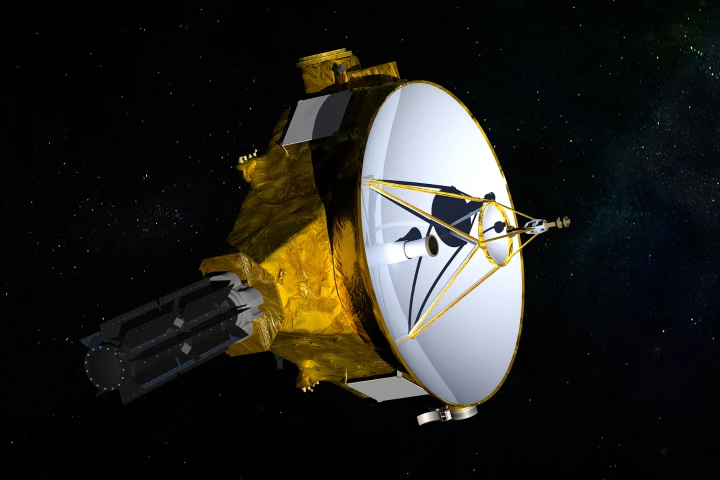 NASA's New Horizons deep-space probe has, for the first time, returned images to Earth that showed stellar parallax, or how the positions of stars shift when seen from two different places. This could one day be used for interstellar navigation.
 -
 When a driverless car or autonomous drone loses GPS contact, it utilizes a tool known as an inertial measurement unit (IMU) to keep track of its orientation. Such devices could soon be more accurate than ever, thanks to a tiny new gyroscope.
 -
 Ultrasound technology might be about to get a whole lot more powerful. Researchers have developed an “ultra” ultrasound sensor that is so sensitive it can hear air molecules moving around or the vibrations of individual cells.
 -
 According to a new study, the humble, and arguably disgusting fruit fly shares a surprising characteristic with early human explorers – the ability to navigate vast swathes of land using the Sun as a landmark.
 -
 GPS might seem like a godsend, but apart from occasionally leading drivers astray, researchers at University College London (UCL) suggest that simply following instructions given by your navigational app could have another negative effect: allowing parts of your brain to go dormant.
 -
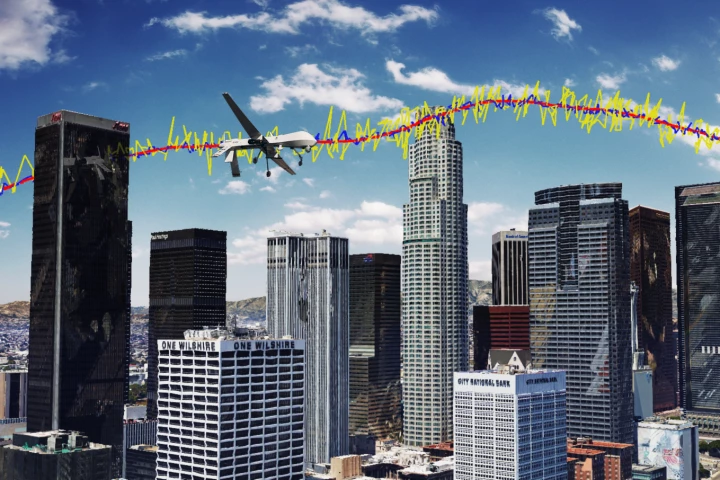 GPS is great unless you lose the signal, so the University of California, Riverside is developing an alternative navigation system that uses secondary radio signals, such as from cell phone systems and Wi-Fi, and is claimed to be highly reliable, consistent, and tamper-proof.
 -
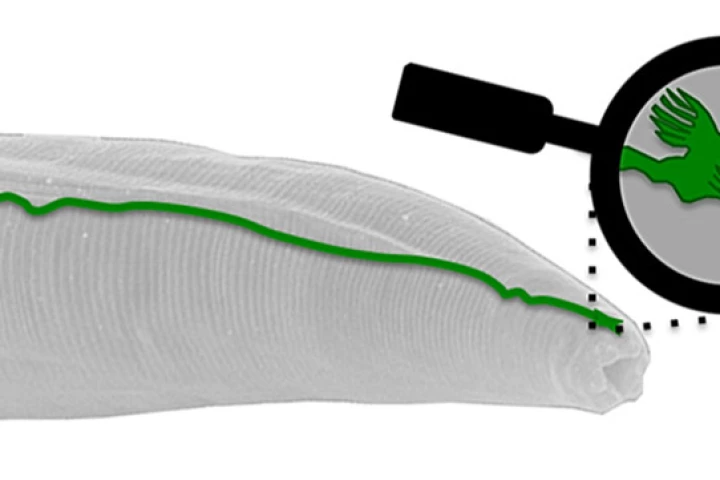 Researchers at The University of Texas at Austin have finally discovered the organic sensor mechanism in an animal for detecting the magnetic field of the Earth. This breakthrough may help uncover how other species with internal compasses use the magnetic field of our planet to navigate.
 -
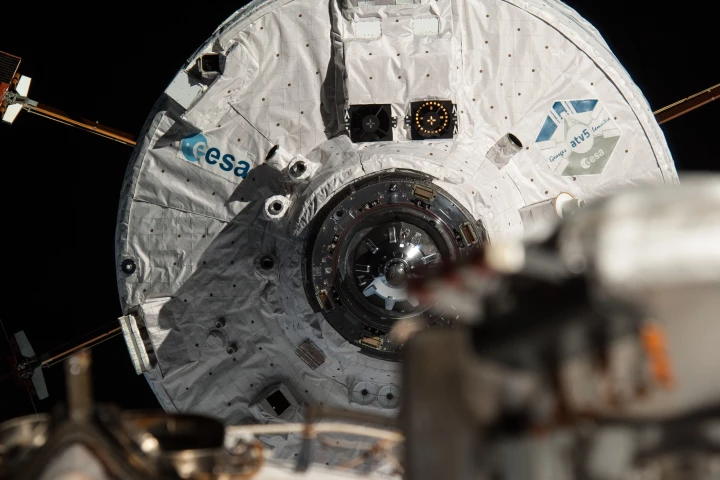 The European Space Agency's (ESA) Automated Transfer Vehicle (ATV) Georges Lemaitre captured the International Space Station (ISS) in a new light in August, as it fired up a set of experimental sensors that may form the basis of the next generation of automated docking systems.
 -
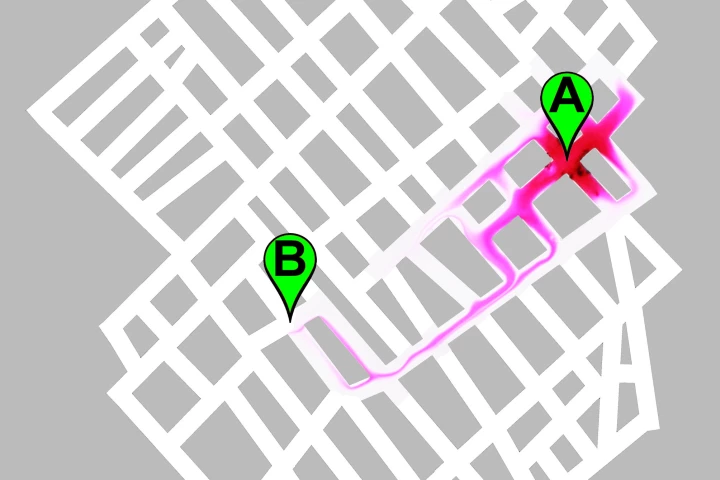 If you’re going out for pizza in Budapest, which would you choose to get you there; a smartphone with GPS or a drop of gel on a little maze? According to Empa, the gel might be your better bet because it's a chemical computer capable of navigating a maze faster than a satnav.
Load More