
Nanocrystals
-
 Scientists in Japan have developed a new method for breaking down toxic “forever chemicals” quickly and at room temperature. The technique broke down 100% of certain types of these pollutants overnight, recovering some useful components for reuse.
 -
 Clinical trials using orally administered gold nanocrystals to treat multiple sclerosis and Parkinson’s disease have produced promising results. The nanocrystals restore crucial energy metabolites in the brain that are depleted in these conditions.
 -
 They're the deadliest animals on Earth, spreading diseases such as malaria, chikungunya and yellow fever and causing more than 350 million illnesses in humans each year. Our latest weapon in the war on mosquitoes could be a cheap, abundant biomaterial.
 -
 A team of researchers has uncovered a new approach to grow synthetic mineralized materials. This exciting breakthrough points to a future of regenerative medicine where doctors could mimic the regrowth of hard tissues including dental enamel and bone.
 -
 Night vision goggles help the human eye see in the dark, but the devices are bulky, requiring several layers of lenses and plenty of power. But thanks to research from ANU, a new type of nanocrystal could grant night vision powers to a standard pair of specs, without adding any weight.
 -
 Chemists at the University of California, Riverside have created rewritable paper that can be printed on and erased many times before it needs to be discarded, offering a proposed alternative to current rampant paper consumption and real hope for achieving the promised "paperless office."
 -
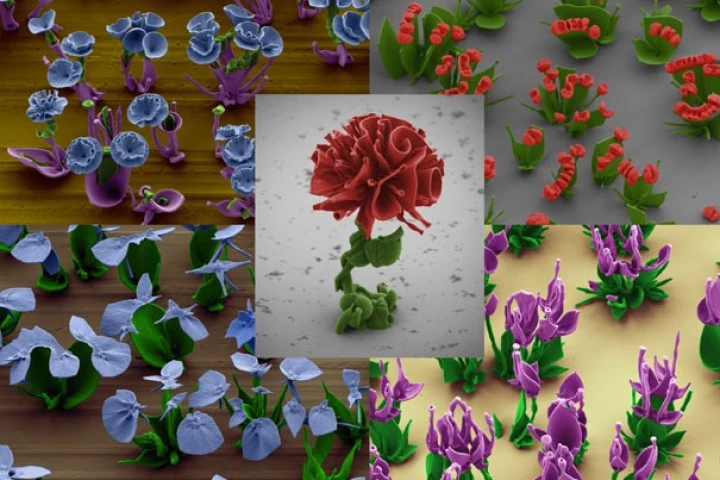 Harvard scientists have created microscopic flowers, by carefully controlling the formation of crystals.
 -
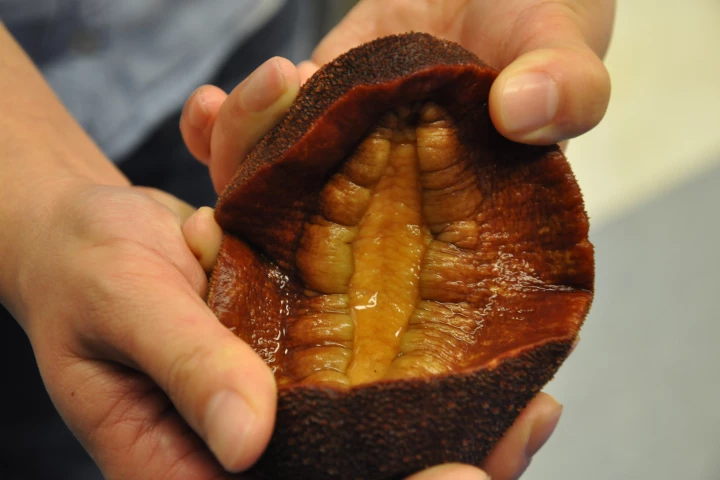 A UCR researcher is taking inspiration from the teeth of a marine snail to build the technology that could lead to more efficient solar cells, fast-charging batteries, and abrasion-resistant clothing.
 -
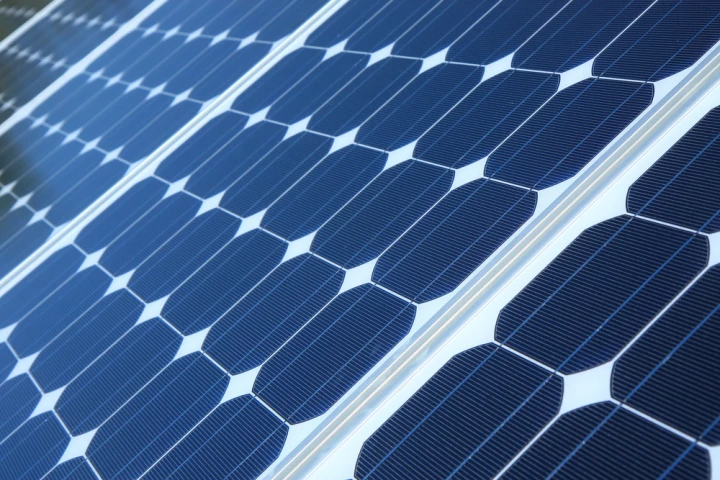 Scientists have developed new nanocrystals that allow solar panels to generate both electricity and hydrogen gas.