
Nanjing University
-
 A study of nearly 400,000 people has for the first time found a causal link between gut bacteria and insomnia, confirming that some microbes aid sleep while others disrupt it. Fourteen bacterial taxa were found to contribute to the risk of insomnia.
 -
 Most wound dressings simply cover the injury and perhaps also kill harmful bacteria. The PAINT system goes much further, as it incorporates a pen that could one day allow doctors to paint a gelatinous healing ink right into wounds.
 -
 It can be tricky enough getting titanium implants to bond with the surrounding bone, but when the patient has osteoporosis, things get even harder. An experimental coating may help, though, by first boosting and then blocking inflammation.
 -
 Debate is raging about whether ancient flying reptiles called pterosaurs had feathers or not. Years ago a study found fossil evidence of protofeathers, but now another team claims the evidence doesn’t stack up, and the creatures were instead bald.
 -
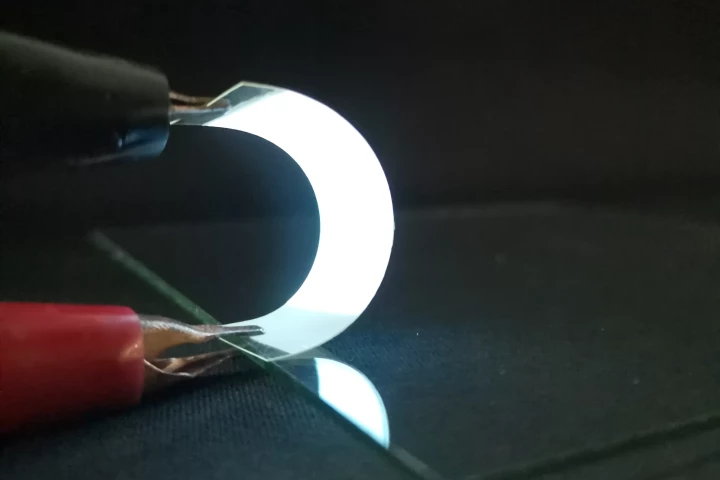 Skin-worn flexible electronics show great promise, in applications ranging from health monitoring to gesture control. The devices could soon also be more eco-friendly, as scientists have recently developed a method of making them from fish scales.
 -
 A new study paints pterosaurs as far cuddlier creatures than we might have thought. According to an international team of palaeontologists, pterosaurs were covered in no less than four different types of feathers, pushing back the origin of this bodily covering by about 70 million years.
 -
 Although you may sniff meat to see if it's OK to eat, doing so is a subjective method of detecting spoilage, as it's dependent on the sensitivity of your sense of smell. Scientists have now developed a more objective alternative, in the form of a gas sensor that communicates with your smartphone.