
Multiple Sclerosis
-
 A new study challenges the idea MS is just one single disease presenting evidence it may actually follow two distinct biological pathways. It’s a shift that could reshape how clinicians think about diagnoses, disease progression and treatment strategy.
 -
 The cannabis-derived compound cannabidiol is gaining traction as a treatment for a multiple conditions, but it's notoriously hard for the body to use. Now a breakthrough production method has removed a major roadblock to its bioavailability.
 -
 If someone you know has gone through chemotherapy, you might be familiar with the side effect 'chemo brain.' Scientists have now demonstrated a simple way to protect brain cells from damage using flashing lights and sounds at a certain frequency.
 -
 Clinical trials using orally administered gold nanocrystals to treat multiple sclerosis and Parkinson’s disease have produced promising results. The nanocrystals restore crucial energy metabolites in the brain that are depleted in these conditions.
 -
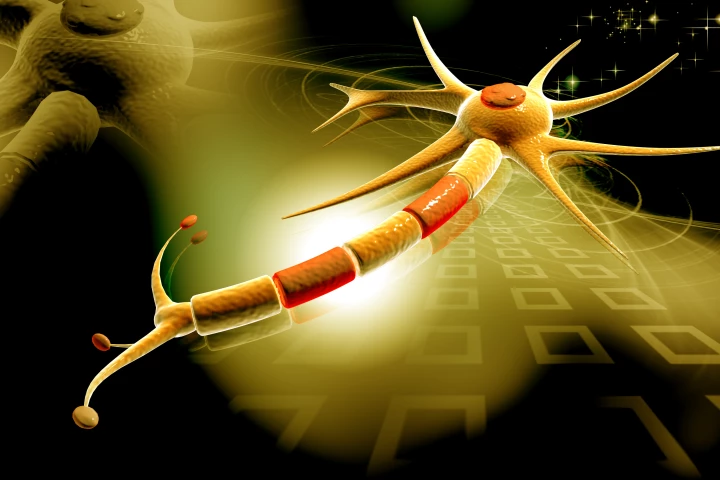 Restoring damaged nerves caused by multiple sclerosis could be within reach, thanks to a breakthrough in small molecule drug research. Scientists say their new compound has a "stunning effect on rescuing myelin," which would be pivotal in reversing MS.
 -
 Multiple sclerosis (MS) is a debilitating disease with few treatment options. But in a new clinical trial, scientists have tested a promising new therapy involving injections of stem cells, which seems to slow progression of the disease.
 -
 Scientists have demonstrated in mice that specially designed probiotics can reduce brain inflammation from diseases like multiple sclerosis. The study points to new potential therapies for chronic conditions that may be as simple as popping a pill.
 -
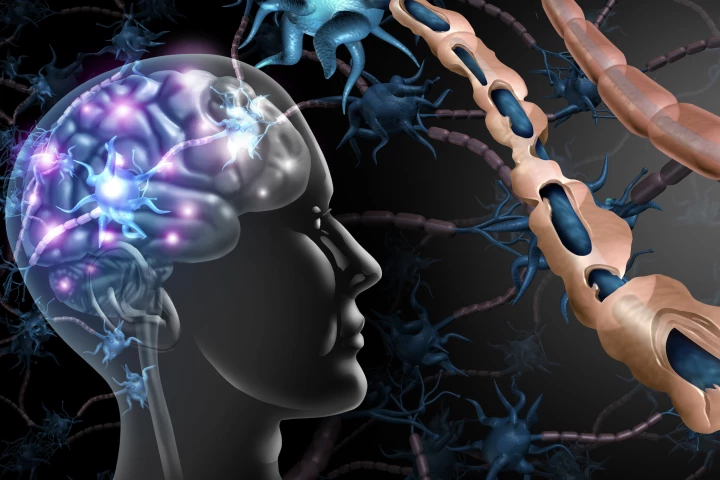 Multiple sclerosis sufferers can experience long periods of remission, but increasingly damaged nerves make relapses more frequent and severe. Scientists now believe, with a little molecular encouragement, those damaged nerves can heal themselves.
 -
 Researchers have developed a groundbreaking vaccine that generates immunity against the Epstein-Barr virus, a virus that almost all of us carry and which has been found to be a primary cause of diseases like multiple sclerosis and some cancers.
 -
 The blood-brain barrier performs a vital function in keeping out toxins and pathogens, but it can become “leaky.” Now Stanford scientists have identified therapeutic molecules that could help patch it up, to potentially prevent neurological diseases.
 -
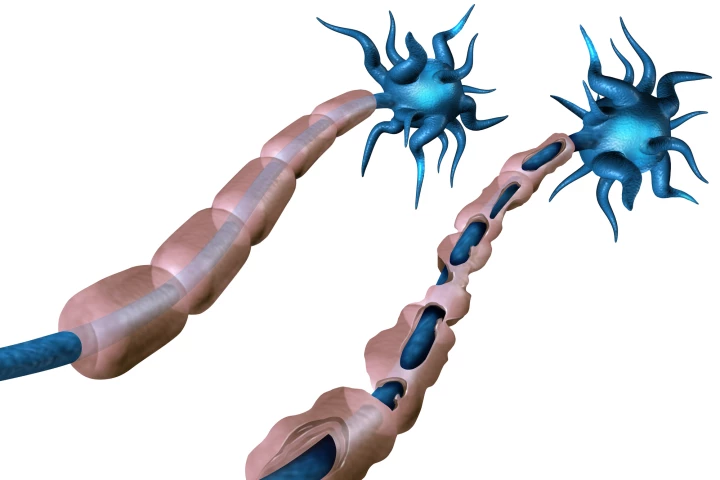 A new study has found direct evidence that an over-the-counter antihistamine can repair the protective nerve sheath that’s damaged in people with multiple sclerosis, opening the door to a potential new treatment for the debilitating disease.
 -
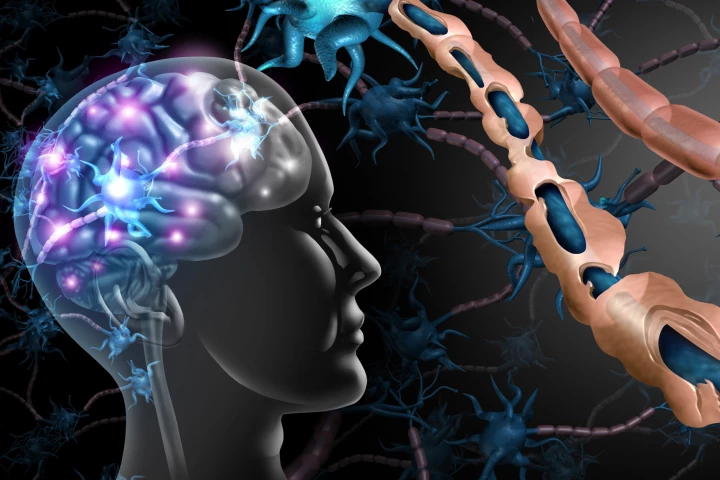 Researchers have used microparticle therapy to boost the number of ‘good’ immune cells, reversing nerve cell damage in mice with MS-like symptoms. The finding may to lead to new treatments for multiple sclerosis and other autoimmune diseases.
Load More