
Monitoring
-
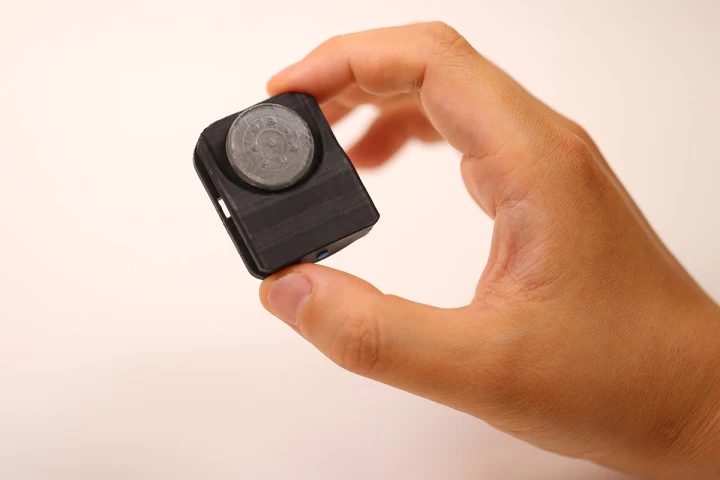 Did you know you emit gases through your skin? These vapors, which include CO2 and volatile organic compounds, can provide insights about your metabolic status, disease states, and overall health. A new wearable can help make sense of it all.
 -
 In 2029, a large asteroid will whizz past Earth so close it’ll be visible to the naked eye. But could collisions with other asteroids bounce it off-course into us? To find out, astronomers have now crunched the paths of 1.3 million known asteroids.
 -
 Researchers at Northwestern University have developed a non-invasive wearable electronic ear that's designed to wirelessly monitor what's going on inside a patient's body in real time, and found it to perform with "clinical-grade accuracy."
 -
 People suffering from dementia not only get confused, they can also become highly anxious and even aggressive. In order to catch such behaviors before they escalate out of control, a British scientist has developed a pair of sensor-packin' socks.
 -
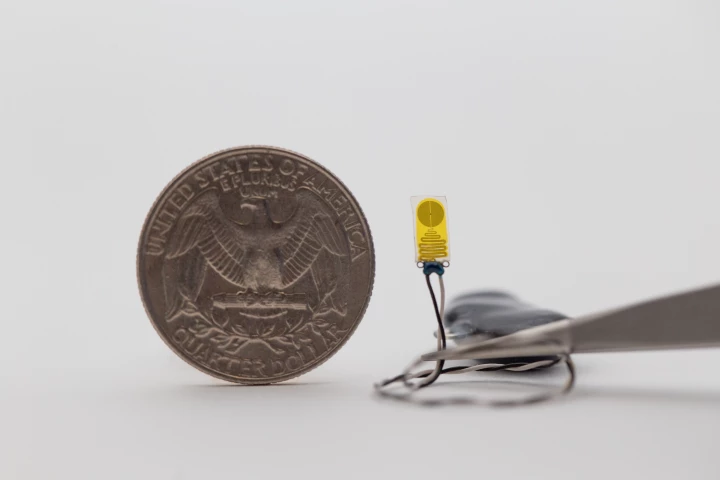 Scientists from Northwestern University have successfully created a device, tested on mice, that can detect warning signs of kidney rejection up to three weeks before current monitoring methods.
 -
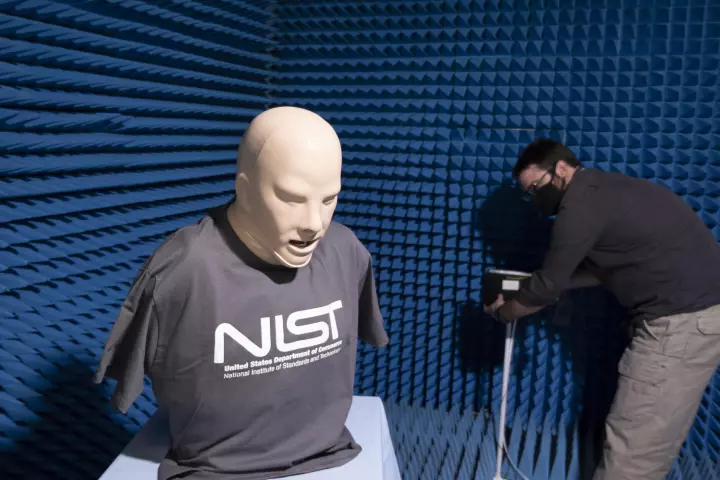 By modifying an off-the-shelf Wi-Fi router with a firmware update and using a deep-learning algorithm, scientists have been able to detect breathing patterns that indicate respiratory distress in a medical mannequin.
 -
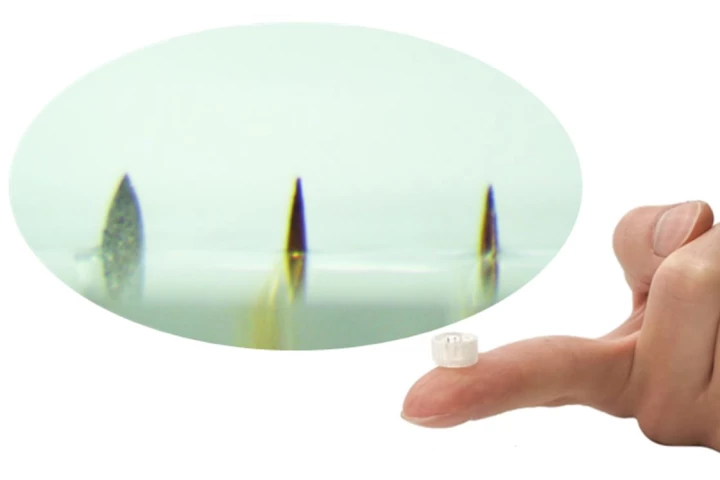 There are many drugs which are very helpful in the right dosage, but quite harmful in larger amounts. A new microneedle patch is designed to help in that regard, by showing exactly how much medication is currently present in a patient's bloodstream.
 -
 Patients who remain in bed for long periods of time may develop pressure sores, which can in turn become potentially life-threatening chronic skin ulcers. A new sensor could help keep that from happening, using scattered light.
 -
 Scientists have developed a new electronic “tattoo” that can monitor a patient’s blood pressure continuously. The e-tattoo is made of graphene and can be worn for long periods without getting in the way, allowing for better health data.
 -
 Engineers from Yale University have developed a wearable device that can help individuals assess whether they have been exposed to SARS-CoV-2. The device clips onto a person’s clothes and capture aerosolized viral particles in the surrounding environment.
 -
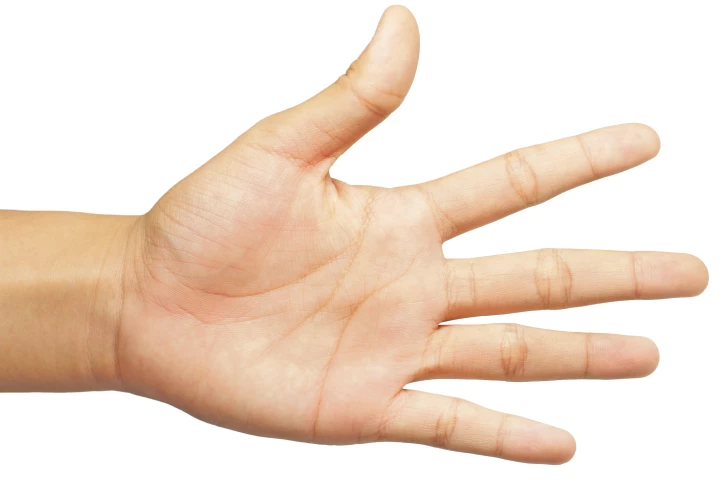 For people with coronary heart disease, regular monitoring of bloodstream cholesterol levels is essential – and it typically requires the drawing of blood samples. A new system, however, is claimed to provide the same data simply by imaging the skin of the hand.
 -
 Everyone responds to general anesthetics differently, which can make administering the correct dose tricky. A new device is designed to help, by continuously monitoring anesthetic levels in patients' bloodstreams during surgical procedures.
Load More