
Mind-reading
Technologies that seek to extract information from the brain. Thought to text systems are one example.
-
 A landmark proof-of-concept study reveals a novel brain-machine interface using ultrasound tracking brain activity to predict subsequent motor movements. The preliminary research suggests a non-invasive way of controlling computers with one's mind.
 -
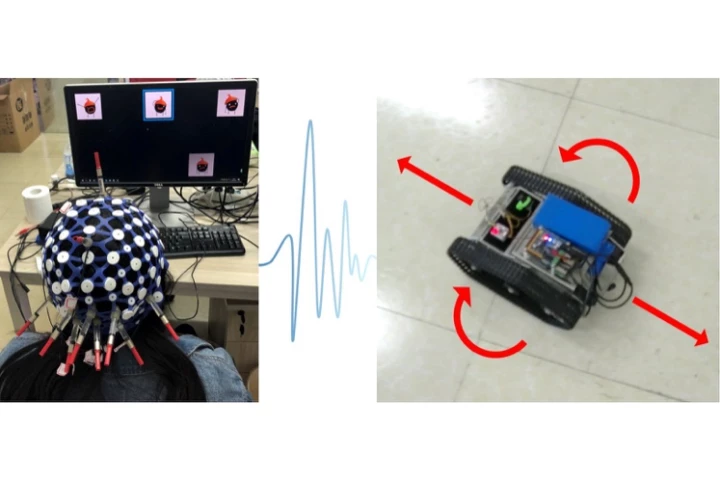 Chinese scientists have developed gel-free electrodes that read users' brain activity, even through hair.
 -
 A Stanford team has developed a “brain stethoscope” that translates brain waves into sound, allowing medical professionals to spot silent seizures. Another team has developed a wearable MEG helmet that means patients no longer need to lie down perfectly still inside a huge machine.
 -
 It's frustrating to have a clear mental image of something but not be able to exactly get it across in words or a drawing. Now neuroscientists from the University of Toronto Scarborough has developed a way to digitally recreate exactly the image someone is thinking about, by scanning their brain.
 -
 Scientists are creating a brain-computer interface that will allow users to control devices, without having to continuously concentrate on doing so.
 -
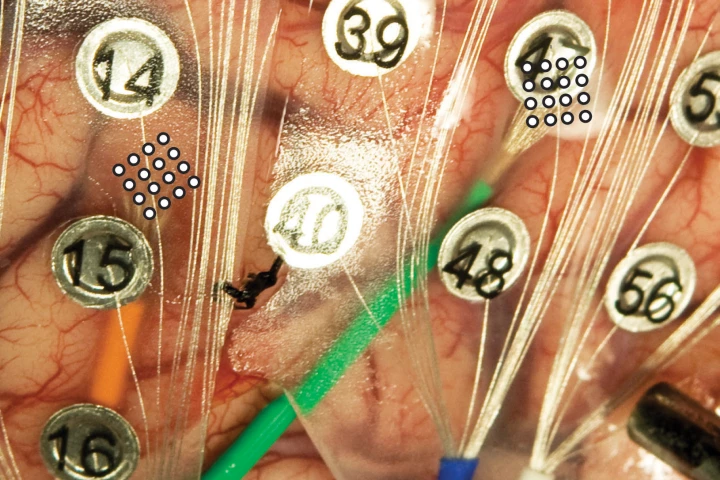 Using an array of 16 microelectrodes researchers have translated brain signals into words.