
Meteorite
-
 Scientists have long wondered why Earth's overall makeup doesn't fully match the mix of materials found in ancient meteorites. For the first time researchers think they have found samples of rock from what is known as proto-Earth.
 -
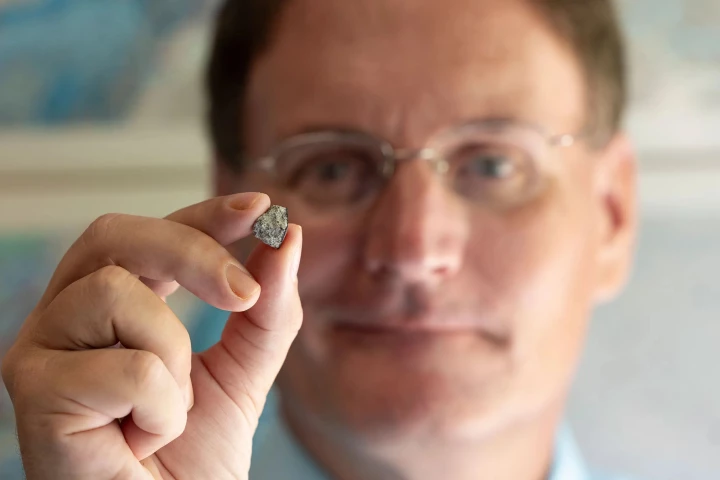 Imagine sipping your coffee when suddenly - BOOM! A sonic tremor rattles your home. That’s exactly what happened to one McDonough resident when a meteorite the size of a cherry tomato punched through his roof with the force of a close-range gunshot.
 -
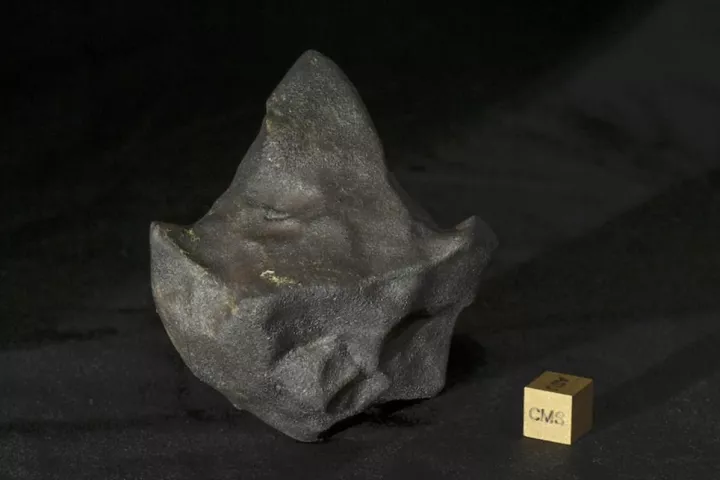 One of the most studied space rocks of all time has surprised us again, with the "mudball meteorite" Aguas Zarcas having cruised around the solar system for two million years without as much as a scratch. It defies the "fragile" class it belongs to.
 -
 Scientists have discovered the world’s oldest known meteorite impact crater in Western Australia. It has been dated to about 3.5 billion years ago, at a time when these almost literally Earth-shattering events should have been occurring regularly.
 -
 Saturn’s rings are iconic, but new evidence presented by researchers from Monash University suggests Earth might once have sported one of its own. This ring would likely have caused climate chaos on the surface.
 -
 Radioactive isotopes found in meteorites suggest a supernova went off right near the Sun as it was forming – but that should have blasted the young solar system away. So how did we survive? A new study proposes an explanation.
 -
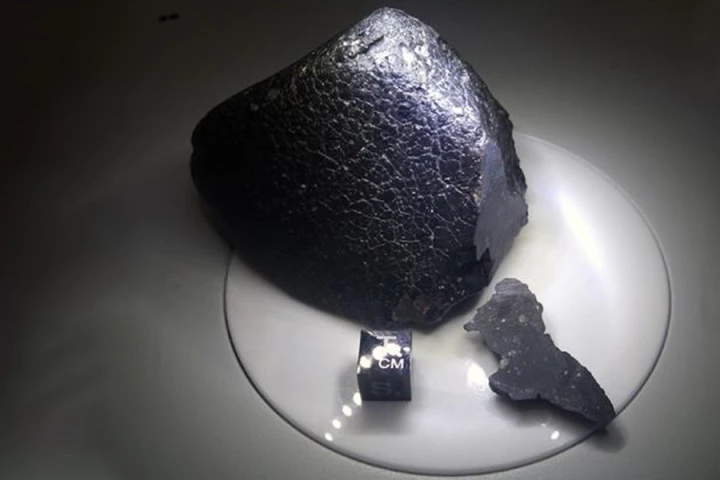 Researchers are asking meteorite hunters to refrain from using magnets to test the authenticity of their finds because this can destroy the specimen's magnetic memory, erasing valuable information about the nature of the solar system.
 -
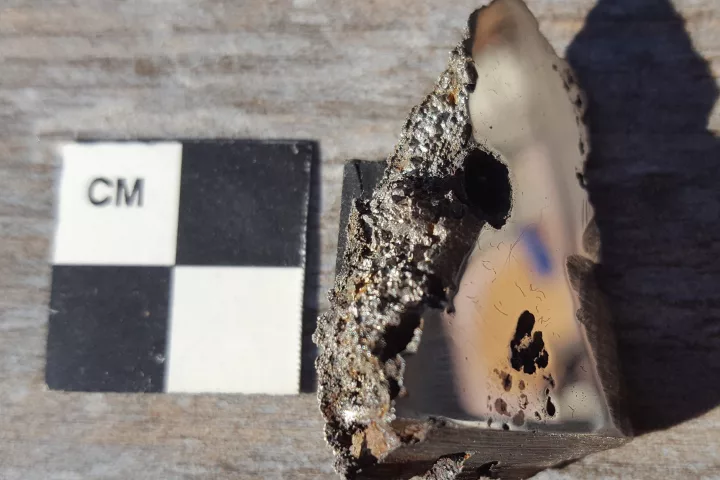 Scientists have discovered at least two new minerals inside one of the largest meteorites ever found. The iron-based minerals have never been spotted in nature, and could hint at unknown geological processes and new material uses.
 -
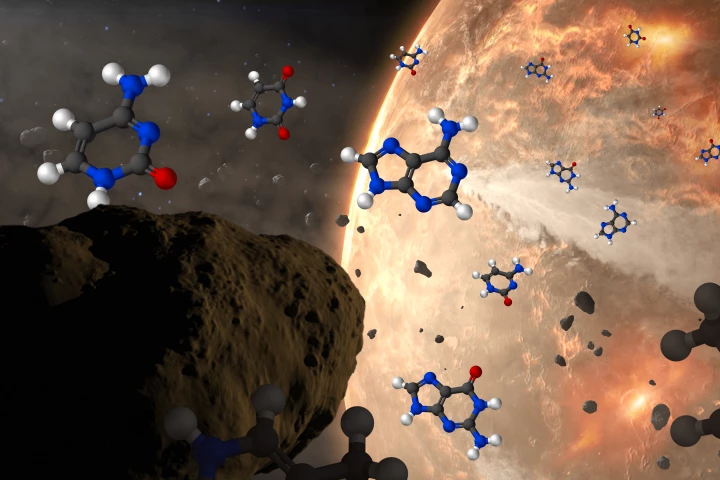 Evidence is mounting that the key building blocks of life may have been delivered to our home planet from space. Scientists have now identified in meteorites the last two DNA nucleobases that hadn’t yet been found in extraterrestrial samples.
 -
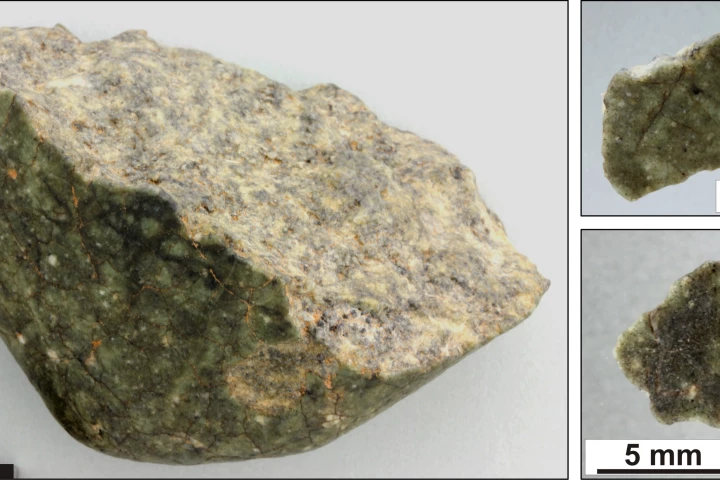 Researchers have discovered a new mineral in a meteorite from the Moon. Named donwilhemsite, the mineral appears to form under high pressures and may play a crucial role in the rock cycle deep within the Earth.
 -
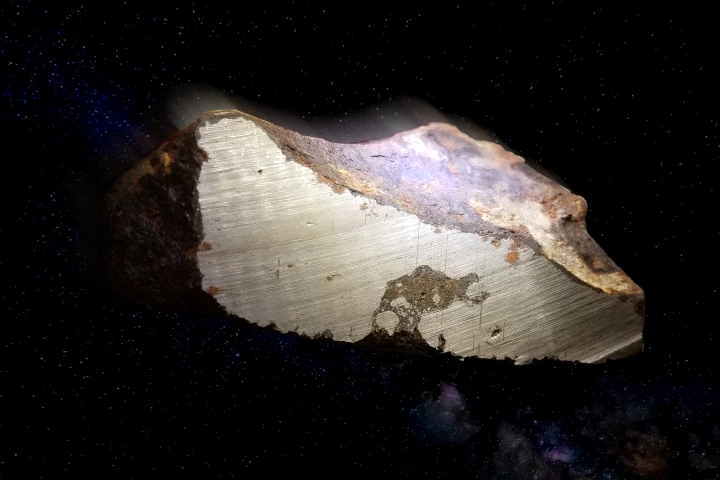 One small, particularly puzzling group of meteorites appears to have been both solid rock and liquid metal. Now scientists have determined that the parent body had a rocky shell and a liquid metal core, which likely generated a strong magnetic field.
 -
 Scientists have discovered a full, previously-unknown protein inside a meteorite for the first time. Named hemolithin, the new protein contains iron and lithium and may play an important role in seeding life on habitable planets like Earth.
Load More