
Mercury
-
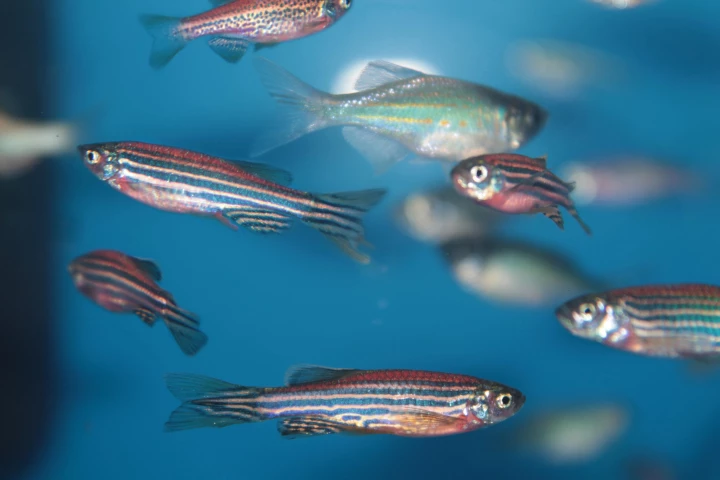 Methylmercury is an extremely toxic compound, and unfortunately it's often present in the fish that we eat. Scientists are now developing a method of removing it from the environment, utilizing engineered fish and flies that take up the compound and neutralize it.
 -
 It may sound like finding a ski resort in the Amazon, but a team of scientists from the Planetary Science Institute claim to have found evidence that the super-hot planet Mercury has subterranean salt glaciers at its north polar region.
 -
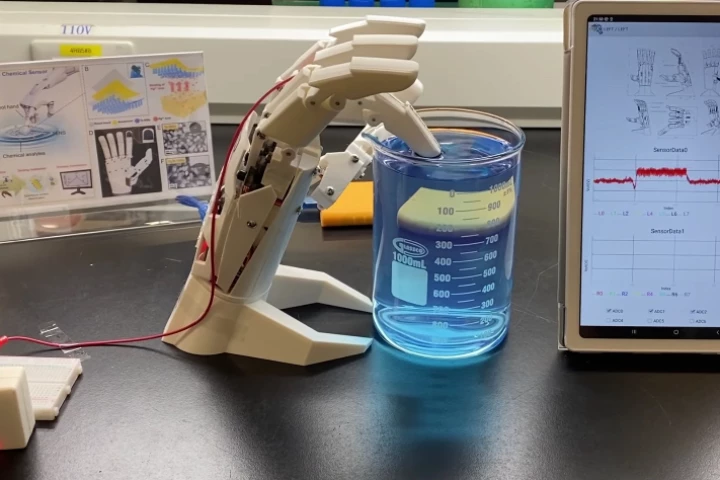 Mercury can be quite harmful in large amounts, and detecting its presence in foods or liquids typically requires lab-based tests. A new nanosensor, however, can quickly detect even small levels of the heavy metal onsite, simply by tapping on samples.
 -
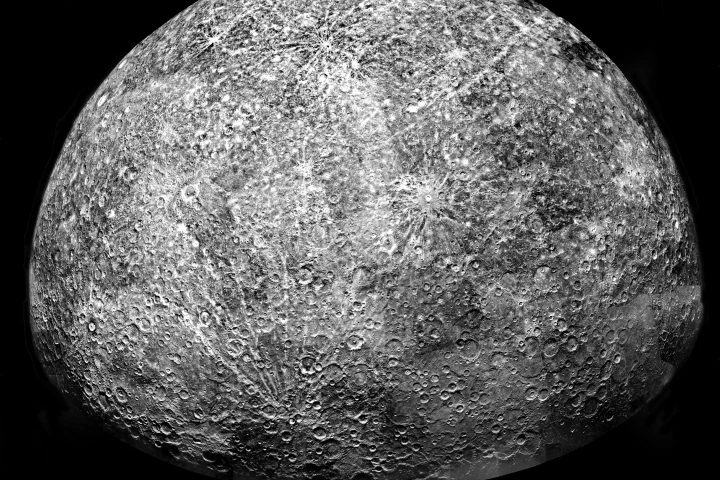 Mercury’s disproportionately massive core may be the result of the Sun’s powerful magnetic influence rather than the consequence of a cataclysmic collision with another body in the ancient past, according to the results of a new study.
 -
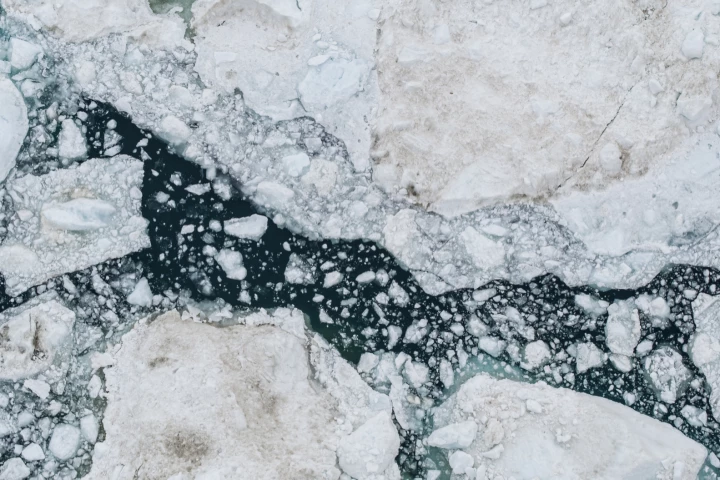 The Greenland Ice Sheet is associated with a range of environmental issues, but now researchers have discovered a surprising new problem. Glacial meltwater was found to be unexpectedly high in mercury, which could end up in ecosystems and seafood.
 -
 ESA has released "sonifications" of the telemetry sent back by the BepiColombo Mercury probe during its April 20, 2020 flyby of Earth. The five audio recordings were captured by two instruments installed on one of the two linked orbiters.
 -
 Despite being the closest planet to the Sun, Mercury is home to a surprising amount of ice. Now, researchers at Georgia Tech have put forward an explanation for how at least some of it got there – and it turns out, the heat plays an important role.
 -
 Saturn may sport the most famous rings in the solar system, but it’s far from the only thing with some bling. Now, two new studies have found evidence of new rings in the inner solar system – a dusty one in the orbit of Mercury and a new set of asteroids following Venus’ path around the Sun.
 -
 The ESA-JAXA BepiColombo mission is on its way to Mercury, but instead of coasting to the smallest planet in the Solar System, it will be helped along by four state-of-the-art ion thrusters developed by an industrial consortium led by British company QinetiQ.
 -
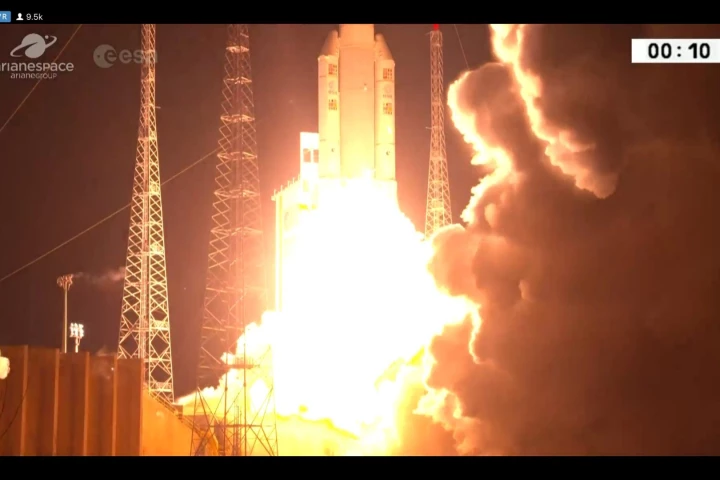 ESA's first mission to the planet Mercury lifted off today from Europe's spaceport in Kourou, French Guiana. At 10:45 pm GFT (October 20, 01:45 GMT), the BepiColombo spacecraft rose on a tail of fire into the night atop an Ariane 5 booster on the start of a voyage that will take seven years.
 -
 The fact mercury makes up roughly 50 percent of the content of dental amalgam is a contentious subject for many, and a new study that found MRIs can release the toxic heavy metal from fillings is sure to give those in the anti-amalgam camp even more to chew on.
 -
 Google Maps is both amazing and a little terrifying at times. Not content to just map out almost every corner of the Earth, Google has now added the ability to explore 12 other worlds in our little corner of the galaxy.
Load More