
Membrane
-
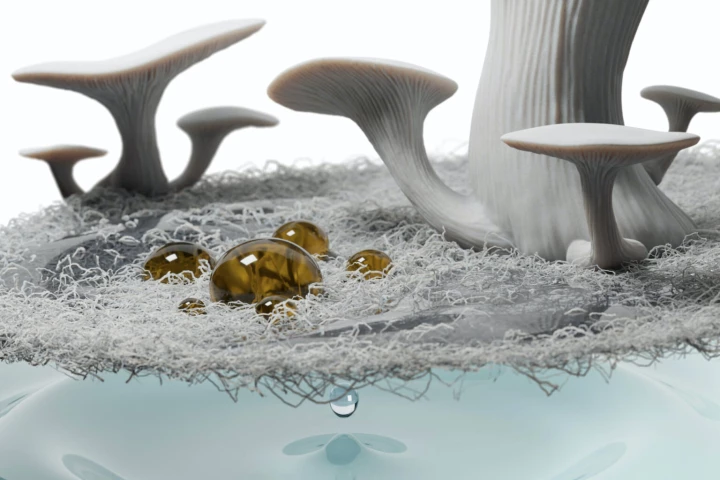 When it comes to cleaning up marine oil spills, it's best if you can use a material that separates the oil from the seawater. Scientists have created a new organic membrane which does exactly that, and it's derived from oyster mushrooms.
 -
 Carbon dioxide is an all too common waste product of industry, belched into the air from smokestacks. Now, researchers have developed a new type of fluorinated membrane that can selectively filter CO2 out of flue gas at the point of release.
 -
 One opportunity for improvement when it comes to water desalination tech lies in the materials used for filtration systems, with scientists now putting forward a wood-based alternative to the plastic-based membranes currently in use.
 -
 Water used for hand-washing is relatively easy to treat for reuse, and now engineers at ETH Zurich have built and tested a standalone hand-washing station for use in public places and developing countries that can do just that.
 -
 A team of MIT engineers has potentially revolutionized the process of dialysis by creating a new membrane from graphene that is able to filter nanometer-sized molecules from solutions up to 10 times faster than current dialysis systems.
 -
 Desalination makes saltwater more palatable and potable, but being a bit of an energy guzzler means it isn't the most practical solution in off-grid situations. A new system makes use of nanoparticles to harness the power of the sun and distill water more efficiently, without needing electricity.
 -
 A new study conducted at MIT suggests that tweaking the size of a costly membrane could help make pressure-retarded osmosis (PRO) much more competitive.
 -
 Vanderbilt psychology Professor Geoffrey Woodman and graduate student Robert Reinhart have found that transcranial direct current stimulation (tDCS) of the mediofrontal cortex for a period of minutes can change a person's ability to recognize and learn from error for a period of five hours.
 -
 Researchers have created an experimental device that indicates boron nitride nanotubes provide an extremely efficient solution for converting the energy of salinity gradients into immediately usable electrical power.
 -
 Researchers at Clemson University have discovered that inkjet bioprinting disrupts the membranes of the cells being printed, leaving them open to having proteins inserted.
 -
 In a move that brings mankind another step closer to being able to create artificial life forms from scratch, chemists have created artificial self-assembling cell membranes using a novel chemical reaction.
 -
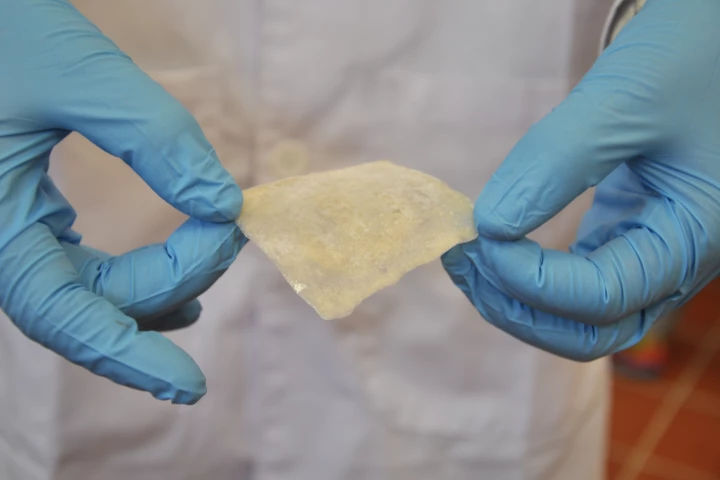 Researchers from the National University of Singapore have created what they claim is the world's first energy-storage membrane, which offers higher energy density and lower production costs than traditional batteries.
Load More