
Medical University of South Carolina
-
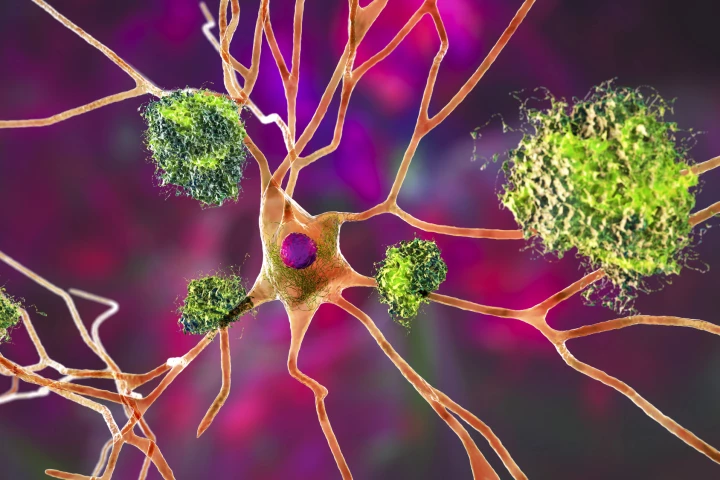 A protein notorious for its role in Alzheimer’s disease may hold the key to supercharging the aging immune system. Scientists showed that a byproduct of amyloid-beta rejuvenates T cells, boosting their tumor-fighting power and slashing cancer risk.
 -
 With the rise of vaping, a big question has been whether drugs that help cigarette smokers quit will work for e-cigarette users. The first US trial using an existing drug to help vapers quit has shown they're effective, even without ongoing counseling.
 -
 Researchers have improved upon existing organoids, creating a miniature 3D colon complete with immune cells that could lead to the development of personalized treatments for colon-related diseases such as inflammatory bowel disease and cancer.
 -
 When someone is suffering from post-traumatic stress disorder, psychiatrists will sometimes have them place themselves in stress-triggering environments. An experimental wearable system has now been shown to make such treatment much more effective.
 -
 Research has suggested that anxiety is an early indicator for Alzheimer's disease, which often follows mild cognitive decline (MCI). A new study has now found a link between anxiety and an increased rate of progression from MCI to Alzheimer's disease.
 -
 New animal research has found binge drinking can be controlled by blocking a key brain region linked to emotion-related behavior. The mouse experiments suggest blocking certain opioid receptors in the extended amygdala may curb excessive drinking.
 -
 A new long-term study has found high levels of antibiotic-resistant bacteria in wild dolphins, with rates growing over the last decade.
 -
 It's definitely an understatement to say that the sooner someone is treated for a stroke, the better their chances of survival and recovery. Before they can be treated, though, doctors need to know if they've indeed had a stroke. That's where the Cerebrotech Visor comes in.